


What Oil Do Auto Repair Shops Use?
Professional shops do not use one universal oil. They maintain a matrix of viscosities and specifications that covers the vehicles they service, then verify the manual or technical source before each job.
The same grade, such as SAE 5W-30, can carry different API, ILSAC, ACEA, or manufacturer requirements. Viscosity is only one part of selection.1
How does a shop build its inventory?
| Shop demand | Information that defines the oil |
|---|---|
| Common gasoline vehicles | Viscosity, API/ILSAC, year, engine, and manufacturer requirement |
| European vehicles | ACEA and the exact OEM approval or specification |
| Pickups and heavy-duty diesels | Diesel API category, viscosity, engine, emissions, and duty cycle |
| Hybrid vehicles or light grades | Permitted viscosity and corresponding category |
| Older or out-of-warranty vehicles | Original requirement, actual condition, and technical recommendation—not mileage alone |
API maintains different categories for gasoline and diesel engines. Some newer categories replace earlier ones while others are not interchangeable, so vehicle year is not enough.1
Synthetic, blend, or conventional?
The shop uses the technology that meets the requirement and fits the maintenance program. Synthetic oil cannot correct the wrong viscosity or compensate for a missing approval. A longer interval also should not be promised without support from the vehicle and oil manufacturers.
The decision includes:
- mandatory specification;
- viscosity allowed for the climate and engine;
- normal interval or severe service;
- consumption and engine condition;
- purchase format and turnover;
- prevention of contamination and dispensing errors.
Where do MANNOL and PureGuard fit?
Inforca presents MANNOL as a broad German line for passenger, European, heavy-duty diesel, and other applications. PureGuard serves as a practical U.S. line for common grades, volume programs, and commercial service.2
That does not make one brand correct for every vehicle. Compare the exact product with the requirement.
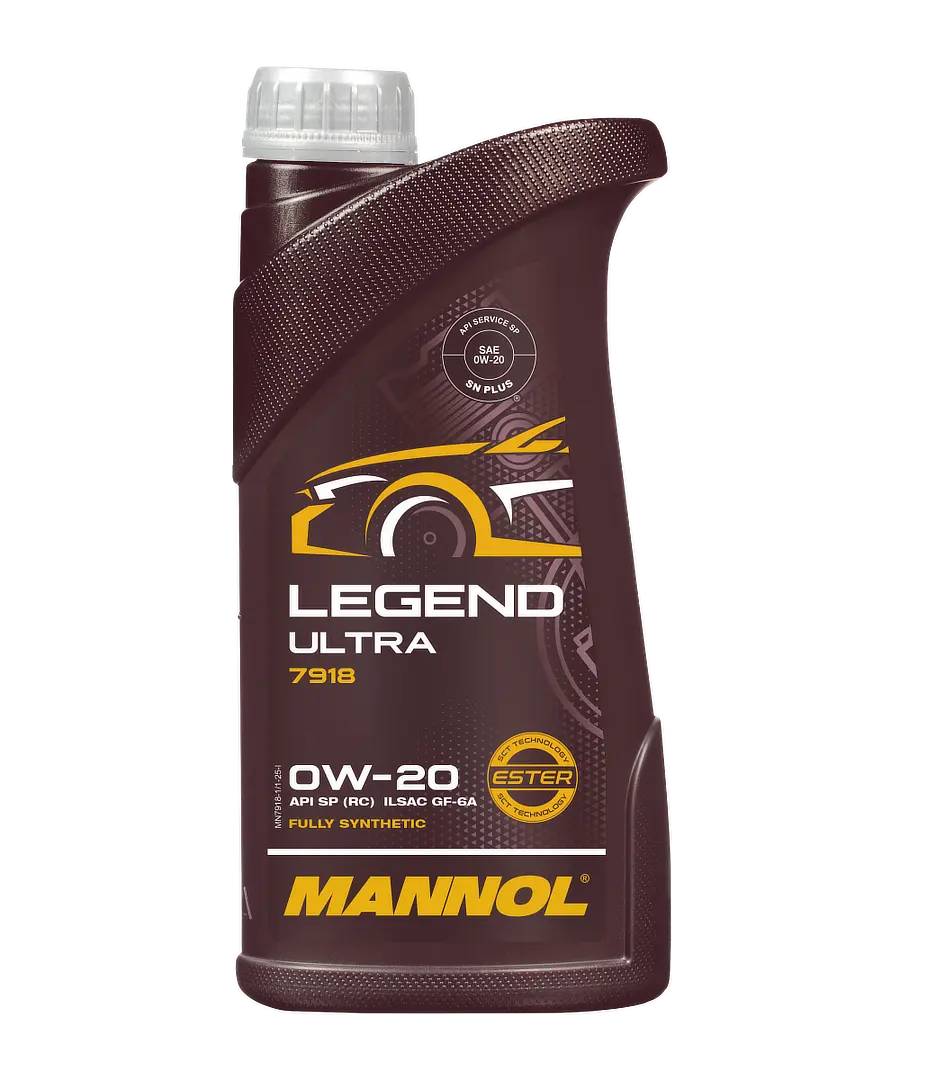
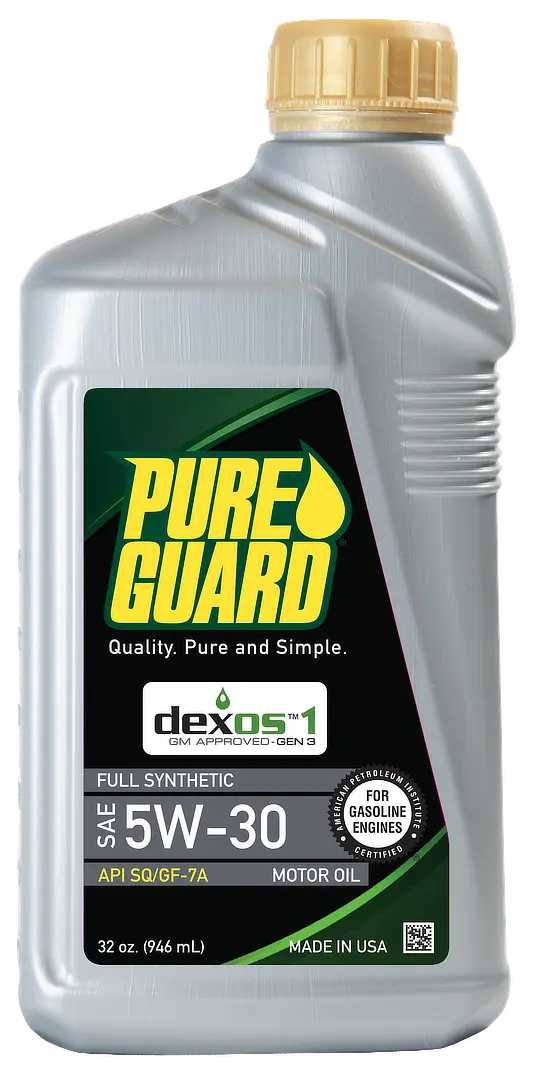
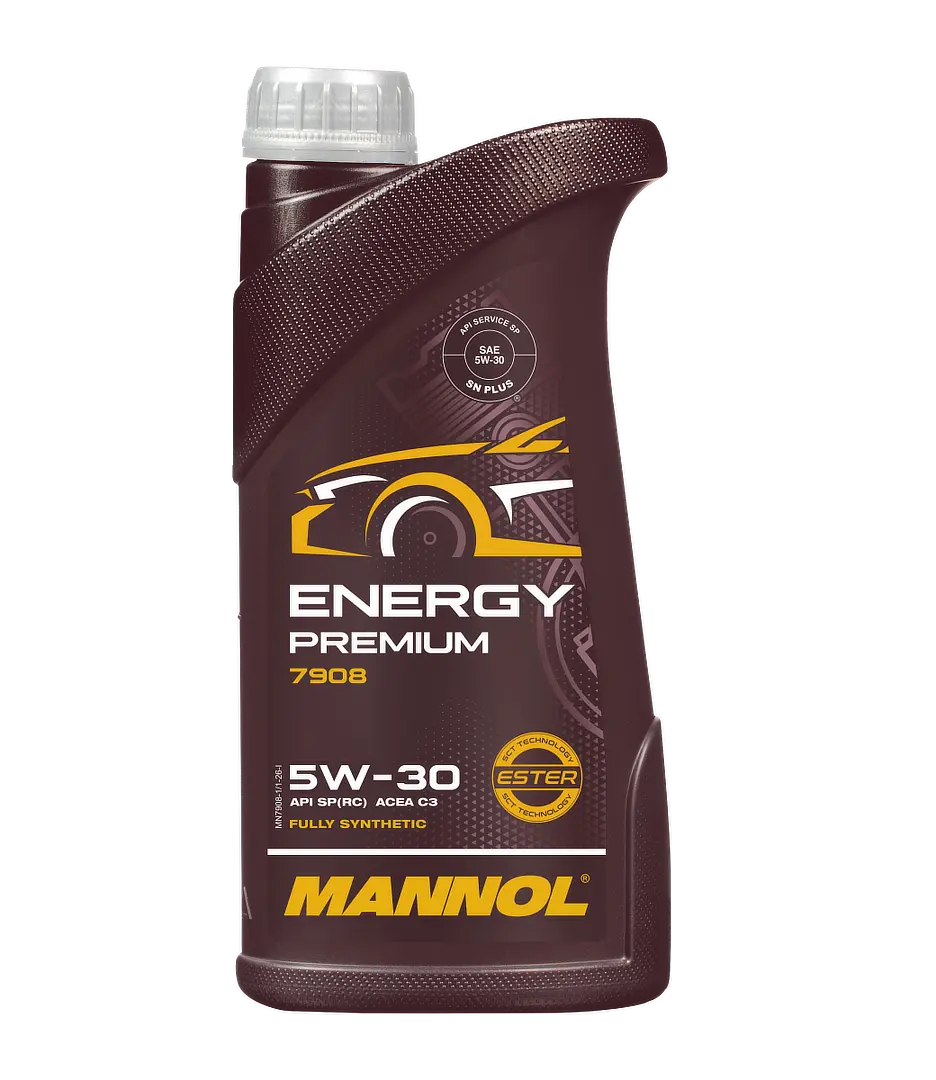
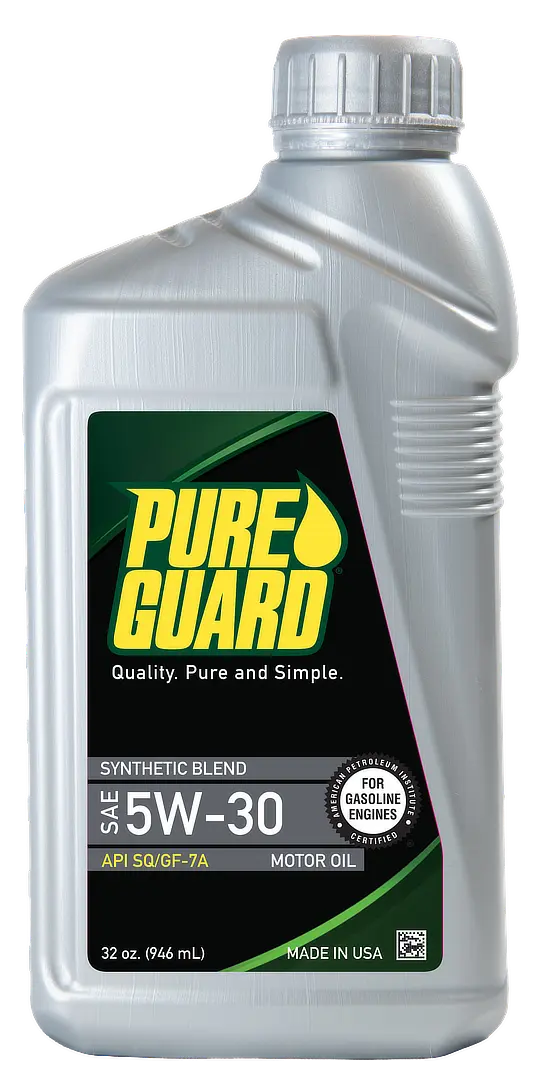
Documented examples in the current portfolio include MANNOL Legend Ultra SAE 0W-20 API SP/ILSAC GF-6A, MANNOL Energy Premium SAE 5W-30 API SP, and CK-4 oils such as TS-14 and TS-17. PureGuard covers synthetic SAE 0W-20, 5W-20, 5W-30, and 10W-30, plus heavy-duty diesel options.3 Every recommendation requires verification against the current label and data sheet.
Is buying by drum better?
Only when turnover supports it. A large package can reduce handling, but it can also increase the risk of immobilized inventory, product contamination, or dispensing from the wrong tank.
Before moving from cases to pails or drums, measure monthly use by SKU, space, pumping equipment, identification, spill control, and traceability.
Frequently asked questions
Do all shops use 5W-30?
No. It is a common grade, but many engines require other grades and specifications.
Can a shop use any synthetic oil?
No. It must meet the required viscosity and categories or approvals.
Does a European oil work in any European car?
No. Approvals vary by manufacturer, engine, and emissions system.
How does a shop prevent errors?
With a vehicle matrix, clear labels, separate dispensing, and verification before filling.
Build the shop matrix
Send Inforca the vehicles serviced, viscosities, specifications, monthly use, current formats, and storage space. The next step is comparing documented MANNOL and PureGuard products and confirming availability.
Sources
Footnotes
-
American Petroleum Institute, Oil Categories, accessed September 10, 2026. ↩ ↩2
-
Inforca International, Our Brands, accessed September 10, 2026. ↩
-
Inforca International, Products, accessed September 10, 2026. ↩
Related Inforca products
Check each product's data sheet against your exact specification before ordering.
Send us the application, specification, and volume — our team will confirm the right product and format.
Talk to Inforca