


Best Engine Oils: How to Choose Without Guessing
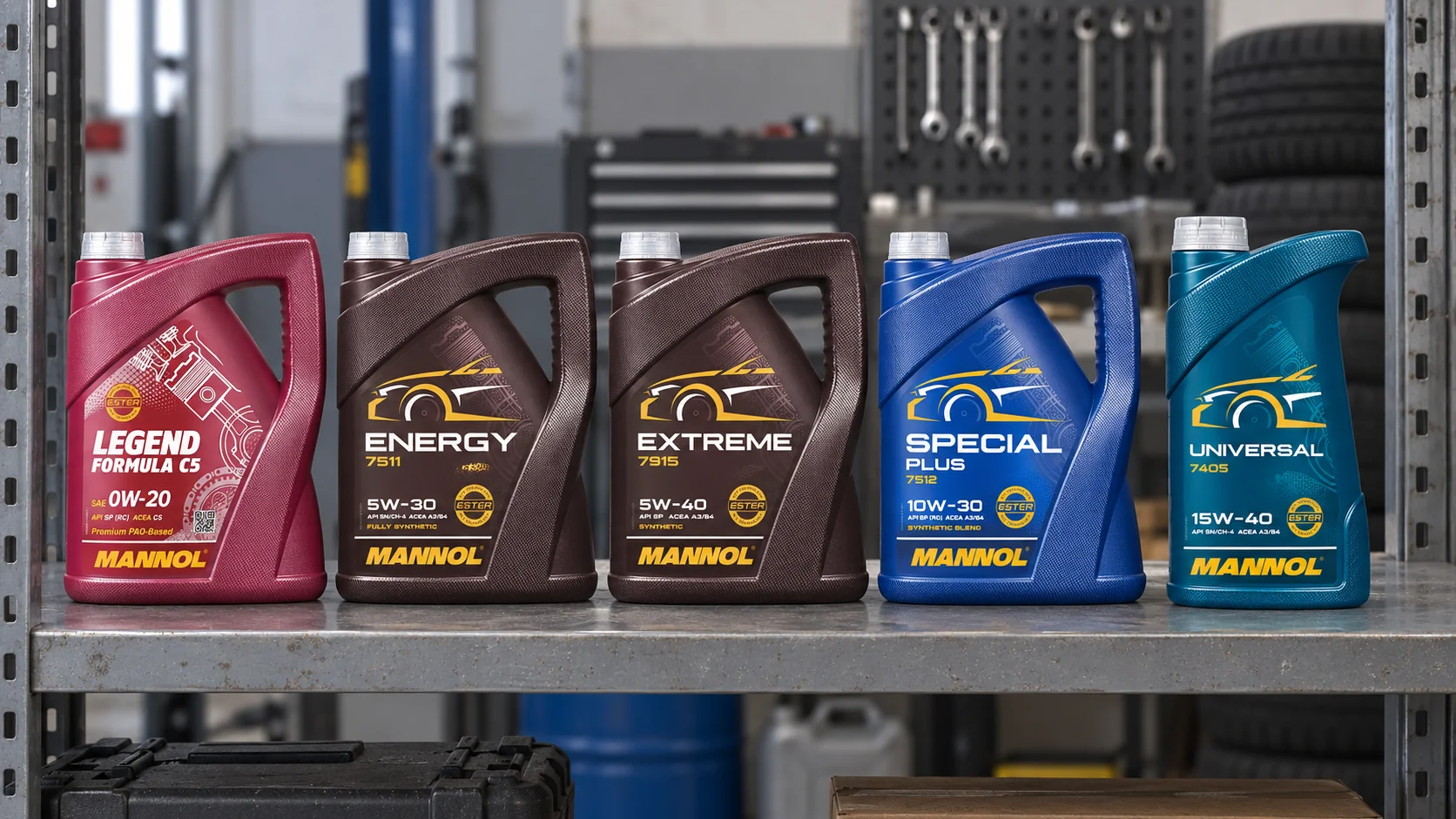
The best engine oil is not one brand or viscosity. It is the product whose current documentation matches the engine’s permitted SAE grade, API or ACEA category, exact OEM requirement, operating conditions and maintenance schedule.
A ranked list without vehicle context can recommend the wrong oil confidently.
What “best” should mean
| Application | First evidence to verify | Useful comparison after fit is confirmed |
|---|---|---|
| Modern gasoline vehicle | SAE grade, API/ILSAC and OEM requirement | Pack size, availability and service program |
| European vehicle | ACEA and exact automaker specification | Approval wording and application breadth |
| Heavy-duty diesel | API diesel category, engine guidance and emissions system | Viscosity, duty cycle and fleet format |
| High-mileage vehicle | Original requirement plus actual engine condition | Consumption, leaks and maintenance plan |
| Mixed shop or fleet | Requirement for every major application | SKU consolidation without forced substitution |
API maintains separate gasoline and diesel categories and explains category status and backward-use rules.1 That is more useful than choosing by advertising language.
Best for common light-vehicle coverage
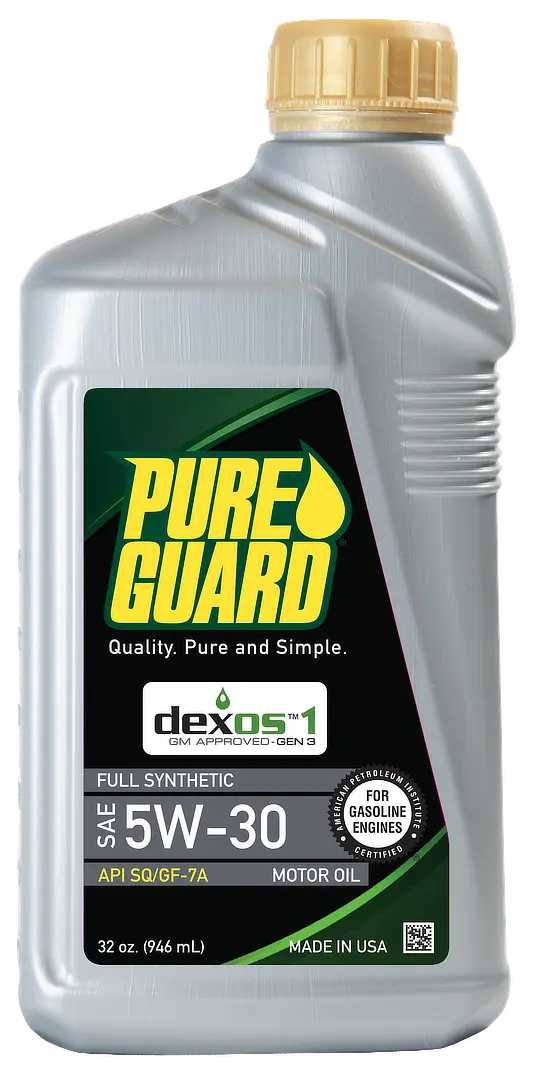
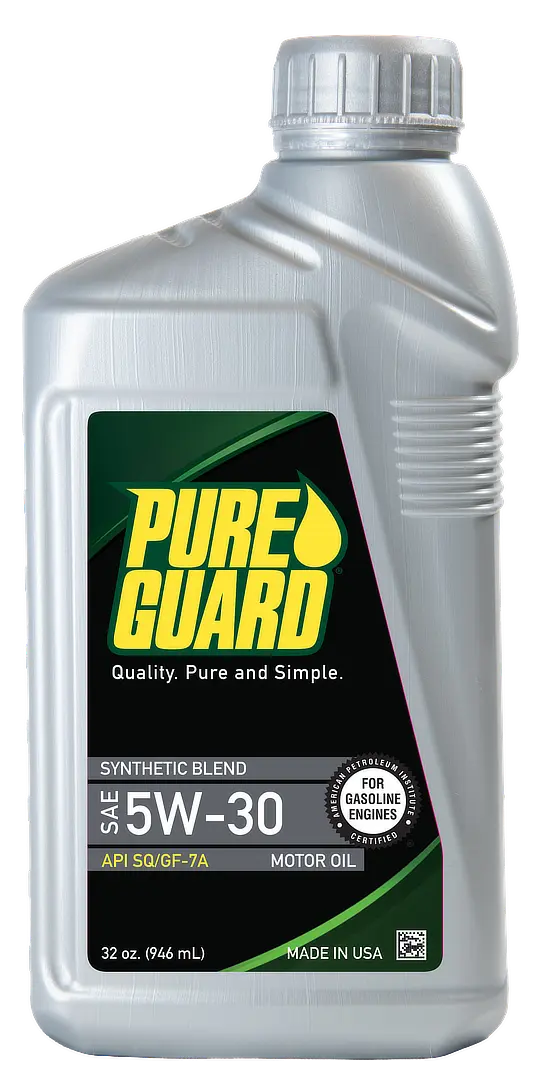
Inforca lists PureGuard full synthetic SAE 0W-20, 5W-20, 5W-30 and 10W-30 and synthetic-blend options for common service needs.2 This makes PureGuard a practical candidate for shops and fleets with high-volume grades — after each exact specification is verified.
Best for broader European positioning
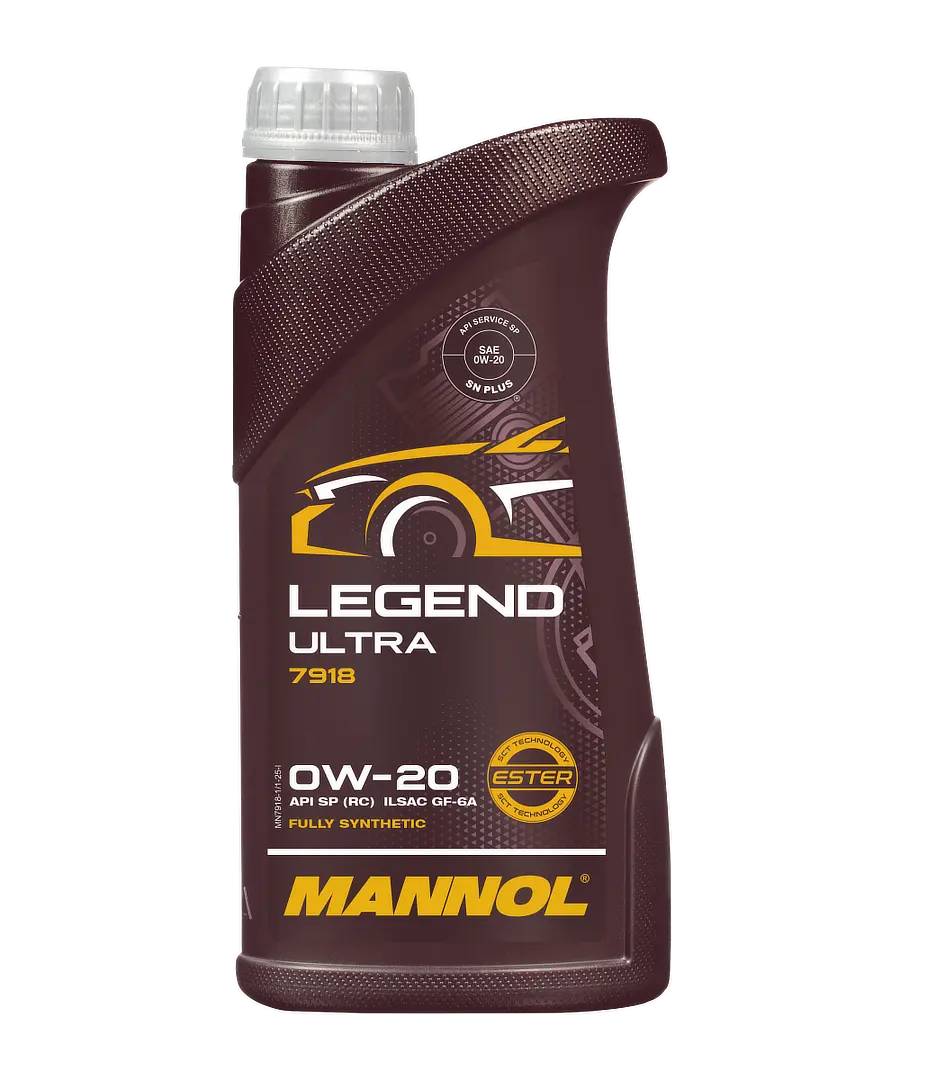
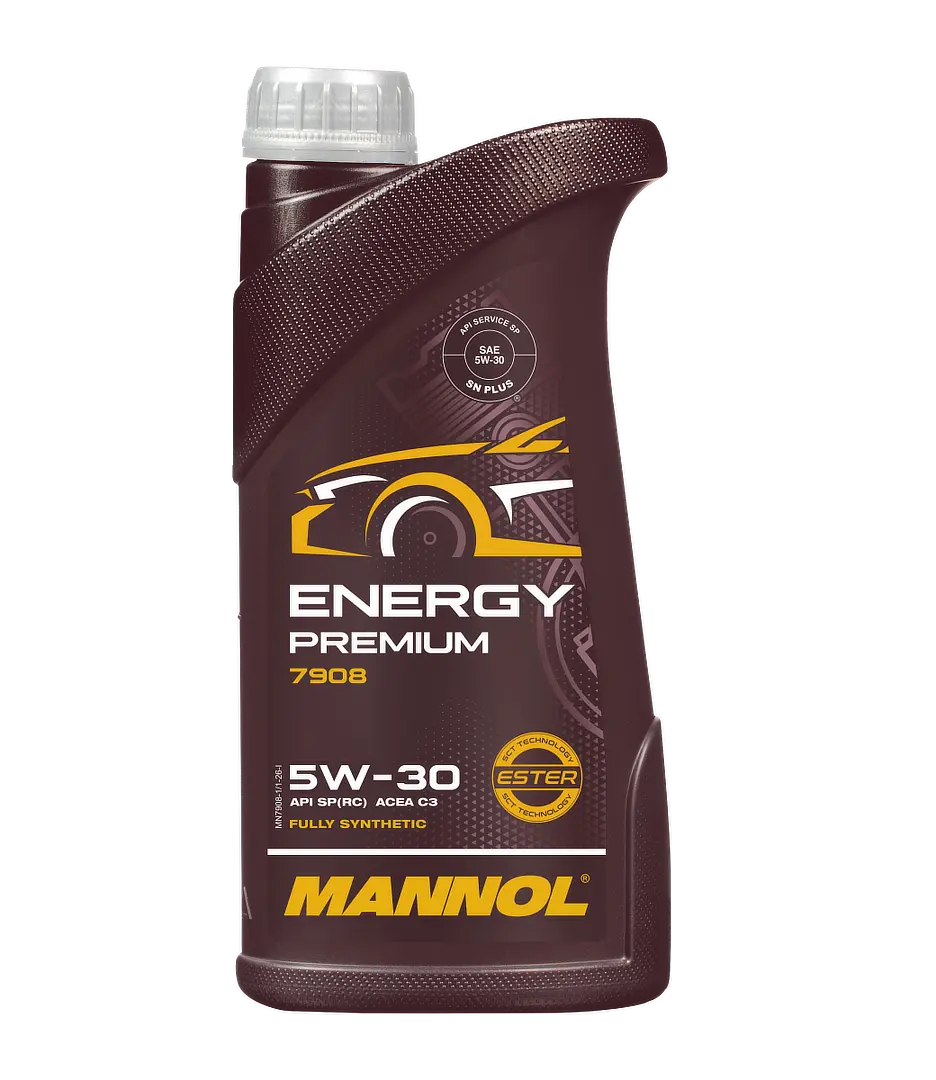
MANNOL’s documented Inforca range includes products such as Energy Premium 5W-30, Energy Formula PD 5W-40, Formula Excel 5W-40 and Legend Extra 0W-30.2 The right MANNOL oil is the one with the required current ACEA or OEM claim; a European brand name alone is not proof of fit.
Best for heavy-duty diesel
Current examples include MANNOL TS-14 SAE 15W-40 API CK-4, MANNOL TS-17 SAE 5W-30 API CK-4 and PureGuard synthetic-blend SAE 15W-40 for heavy-duty applications.2
Do not substitute CK-4, FA-4 or another category without checking engine approval and backward-compatibility guidance.
What should not decide the ranking?
- darkest or lightest color;
- synthetic wording by itself;
- the thickest viscosity;
- one online review;
- brand country of origin without specifications;
- a universal extended-drain promise;
- price before application fit.
How should shops compare products?
Build a requirement sheet containing vehicle or equipment, engine, viscosity, API/ILSAC/ACEA category, OEM specification, interval, monthly volume and package. Then compare only products that pass every mandatory requirement.
Frequently asked questions
Is MANNOL better than PureGuard?
Neither is universally better. MANNOL emphasizes technical breadth and European coverage; PureGuard emphasizes practical U.S.-made commercial coverage.3
Is full synthetic always best?
Only when the exact product fits. Formulation type cannot correct a missing specification.
Is thicker oil better for an older engine?
Not automatically. Diagnose the engine and follow manufacturer guidance.
Can one oil cover an entire fleet?
Sometimes a fleet can consolidate, but only after every engine requirement is mapped.
Define “best” for the application
Send Inforca the engine list, required grades and specifications, operating duty, monthly volume and package preference. The team can compare documented MANNOL and PureGuard candidates and confirm current availability.
Sources
Footnotes
-
American Petroleum Institute, Oil Categories, accessed September 10, 2026. ↩
-
Inforca International, Products, accessed September 10, 2026. ↩ ↩2 ↩3
-
Inforca International, Our Brands, accessed September 10, 2026. ↩
Related Inforca products
Check each product's data sheet against your exact specification before ordering.
Send us the application, specification, and volume — our team will confirm the right product and format.
Talk to Inforca