


How to Choose the Right Engine Oil
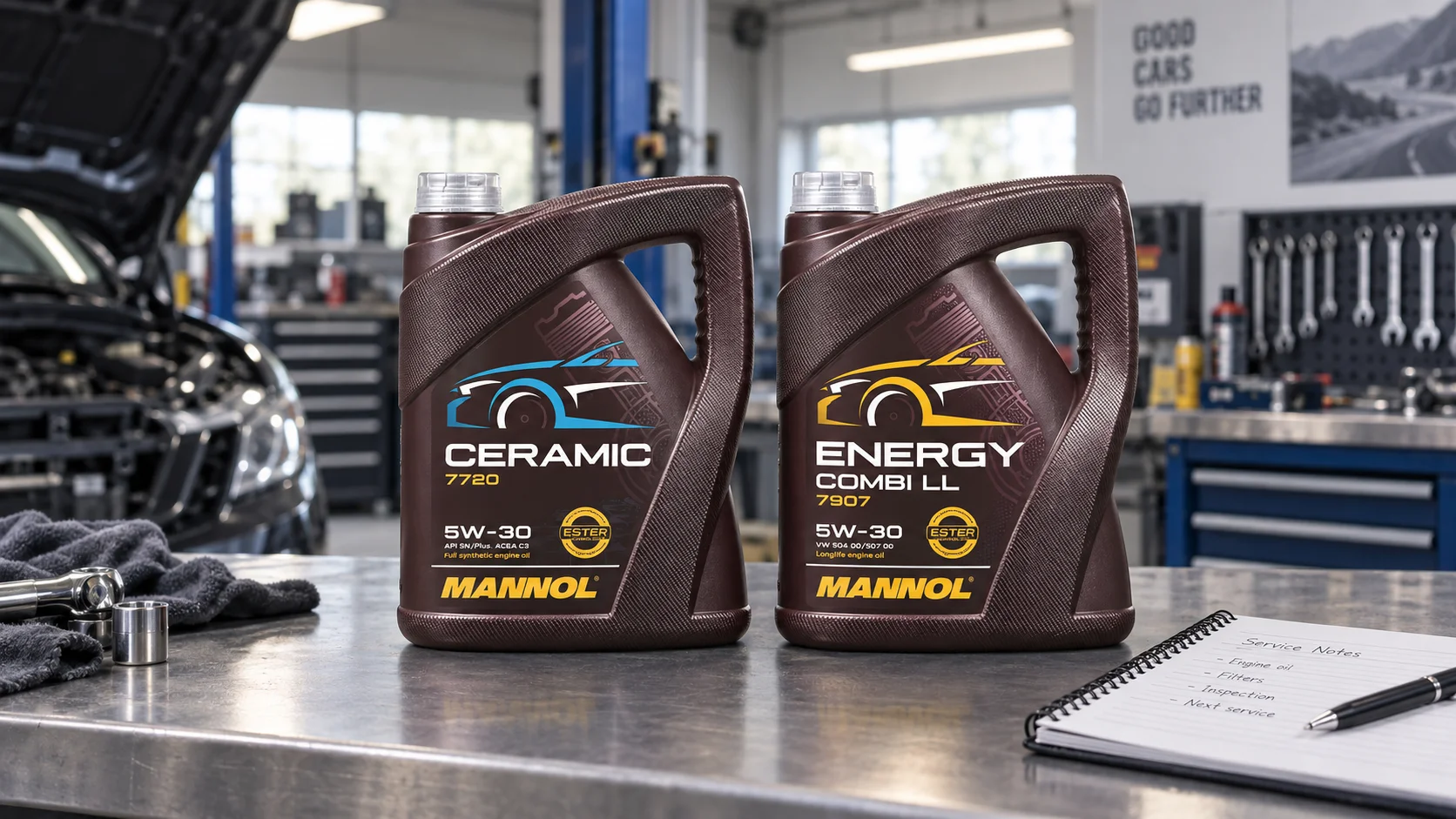
Start with the owner’s manual or manufacturer service information. Match the permitted SAE viscosity, performance category and any exact OEM specification before comparing brand, base-oil type, package size or price.
An oil can have the right viscosity and still be wrong for the engine.
The six-step selection method
- Record the year, make, model, engine and fuel type.
- Find the oil viscosity chart and required specification.
- Note any climate-dependent alternatives.
- Determine whether the vehicle follows a fixed interval or oil-life monitor.
- Compare the complete claims on the product label and current technical sheet.
- Confirm capacity, filter and availability before service.
What does SAE viscosity tell you?
In a grade such as 5W-30, the first part describes low-temperature behavior and the second describes viscosity at operating-temperature test conditions. It does not state the oil’s additive system, emissions compatibility or OEM approval.
Use only grades permitted for the vehicle and conditions.
What do API, ILSAC and ACEA mean?
These systems define performance categories. API publishes current gasoline and diesel categories and explains which categories may be used for earlier engines.1 ACEA sequences cover European light-duty and heavy-duty applications, including categories designed around aftertreatment compatibility.2
Do not assume an API category replaces an ACEA or automaker requirement. Some vehicles require both a general category and a named OEM specification.
Does synthetic automatically mean correct?
No. “Full synthetic” describes formulation, not application approval. A conventional or blend that meets the requirement is technically more appropriate than a synthetic product that does not.
Synthetic products may offer useful low-temperature, oxidation or deposit-control performance, but the tested claim and service schedule still govern.
How do operating conditions affect the choice?
Short trips, towing, idling, dusty service, high load, fuel dilution and extreme temperatures can affect the interval and sometimes the permitted viscosity. Follow the severe-service schedule when the manufacturer defines the operation that way.
Do not select a thicker oil solely because an engine has high mileage. Diagnose pressure, consumption, leaks and wear.
MANNOL and PureGuard examples
Inforca’s current product page lists MANNOL and PureGuard engine oils for gasoline, European and heavy-duty applications.3 Examples include:
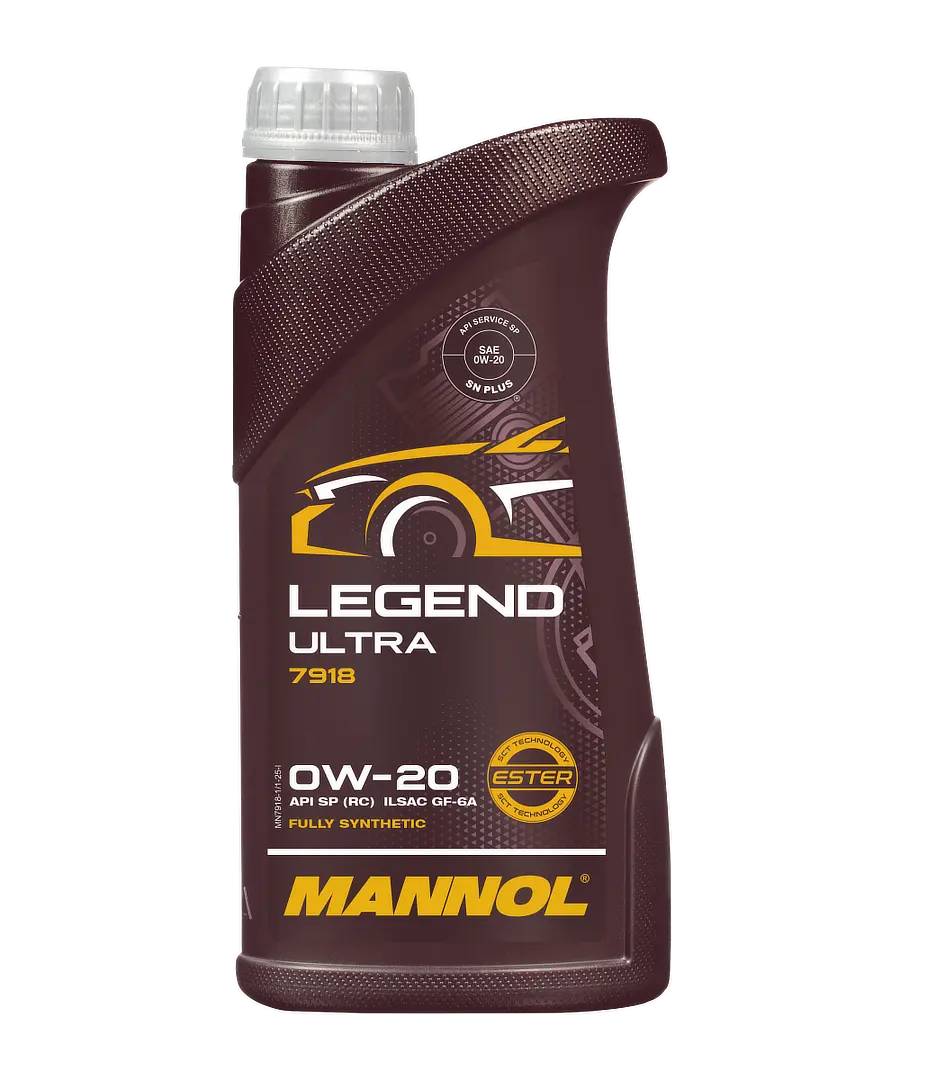
- MANNOL Legend Ultra SAE 0W-20 API SP/ILSAC GF-6A;
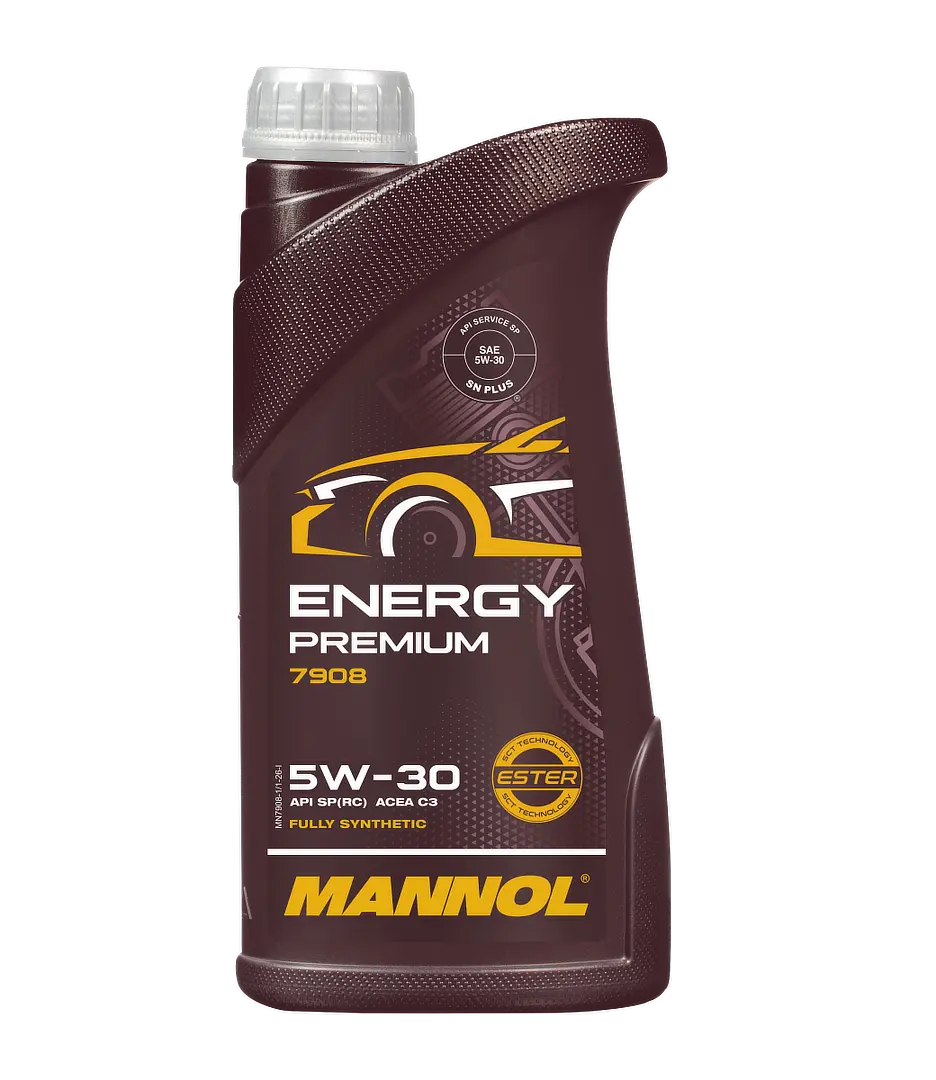
- MANNOL Energy Premium SAE 5W-30 API SP;
- MANNOL TS-14 SAE 15W-40 API CK-4 and TS-17 SAE 5W-30 API CK-4;
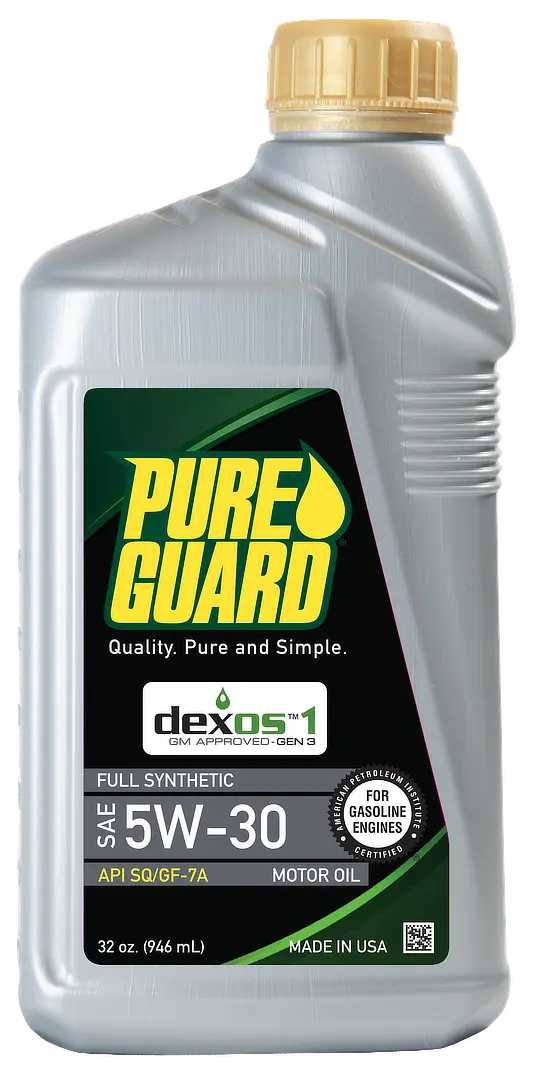
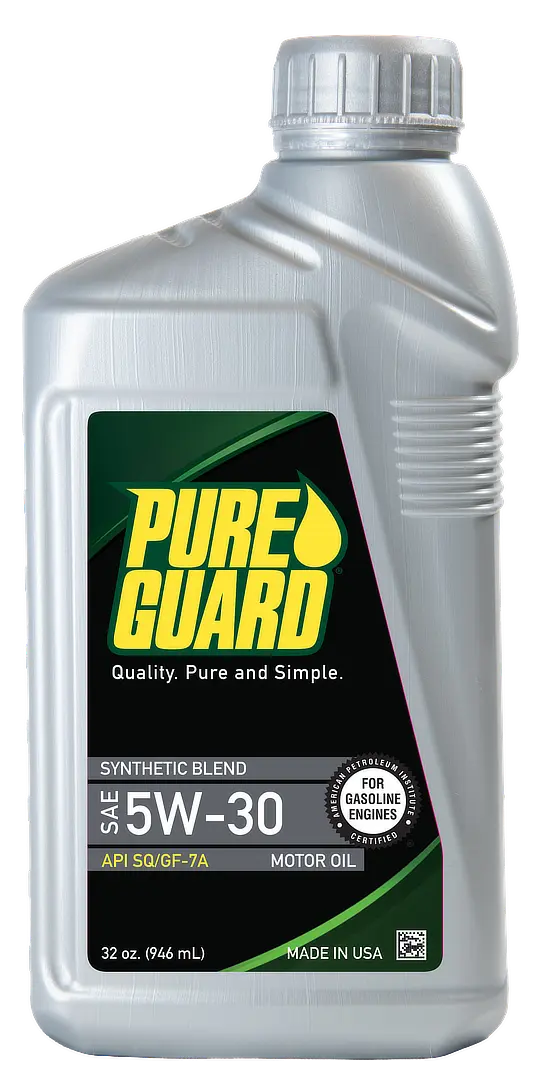
- PureGuard full synthetic SAE 0W-20, 5W-20, 5W-30 and 10W-30;
- PureGuard synthetic-blend heavy-duty SAE 15W-40.
These examples are not interchangeable. Verify the exact product against the vehicle requirement and current documentation.
Frequently asked questions
Is 5W-30 better than 0W-20?
Neither is universally better. Use the permitted grade.
Can I use a newer API category in an older car?
Sometimes, but only where API and the vehicle manufacturer indicate backward compatibility.
Does oil color show quality?
No. Color alone cannot confirm specification or remaining life.
Can I extend the interval with synthetic oil?
Only when the vehicle schedule and oil documentation support it.
Match the complete requirement
Send Inforca the vehicle or equipment details, required viscosity, API/ACEA/OEM specification, operating conditions, monthly volume and preferred package. The team can compare documented MANNOL and PureGuard options and confirm availability.
Sources
Footnotes
-
American Petroleum Institute, Oil Categories, accessed September 10, 2026. ↩
-
ACEA, European Oil Sequences, accessed September 10, 2026. ↩
-
Inforca International, Products, accessed September 10, 2026. ↩
Related Inforca products
Check each product's data sheet against your exact specification before ordering.
Send us the application, specification, and volume — our team will confirm the right product and format.
Talk to Inforca