


Synthetic Engine Oils: Benefits, Limits and Selection
Synthetic engine oils use engineered base-oil systems combined with additives to meet defined performance targets. They can offer useful low-temperature and oxidation performance, but “synthetic” is not a vehicle specification and does not make every product interchangeable.
Select by the manual first.
Full synthetic, blend and conventional
| Label | General description | What the label does not prove |
|---|---|---|
| Full synthetic | Formulated with synthetic base-oil technology and additives | Correct viscosity, OEM approval or universal extended drain |
| Synthetic blend | Combines synthetic and conventional base-oil components | A fixed percentage or identical performance across brands |
| Conventional | Uses conventional base stocks with an additive system | Inferior fit when it meets the exact requirement |
Performance comes from the finished formulation and its documented tests, not the base-oil label alone.
Potential benefits
Depending on the product, synthetic oil may support:
- low-temperature pumpability;
- resistance to oxidation at high temperature;
- volatility control;
- deposit and sludge control;
- performance across a wide operating range.
Mobil describes similar formulation benefits while still directing users to the vehicle manufacturer’s interval.1
What synthetic oil cannot do
It cannot make the wrong viscosity correct, replace a required API/ACEA/OEM claim, repair worn parts, stop every leak or guarantee a longer interval. It also cannot compensate for the wrong filter, low oil level or a cooling fault.
How should a product be chosen?
- Identify the engine and fuel.
- Find the permitted SAE viscosity.
- Record API, ILSAC, ACEA and OEM requirements.
- Check climate and severe-service guidance.
- Compare the current product sheet and label.
- Follow the vehicle’s interval or oil-life monitor.
API publishes current gasoline and diesel oil categories and category status.2
Current Inforca examples
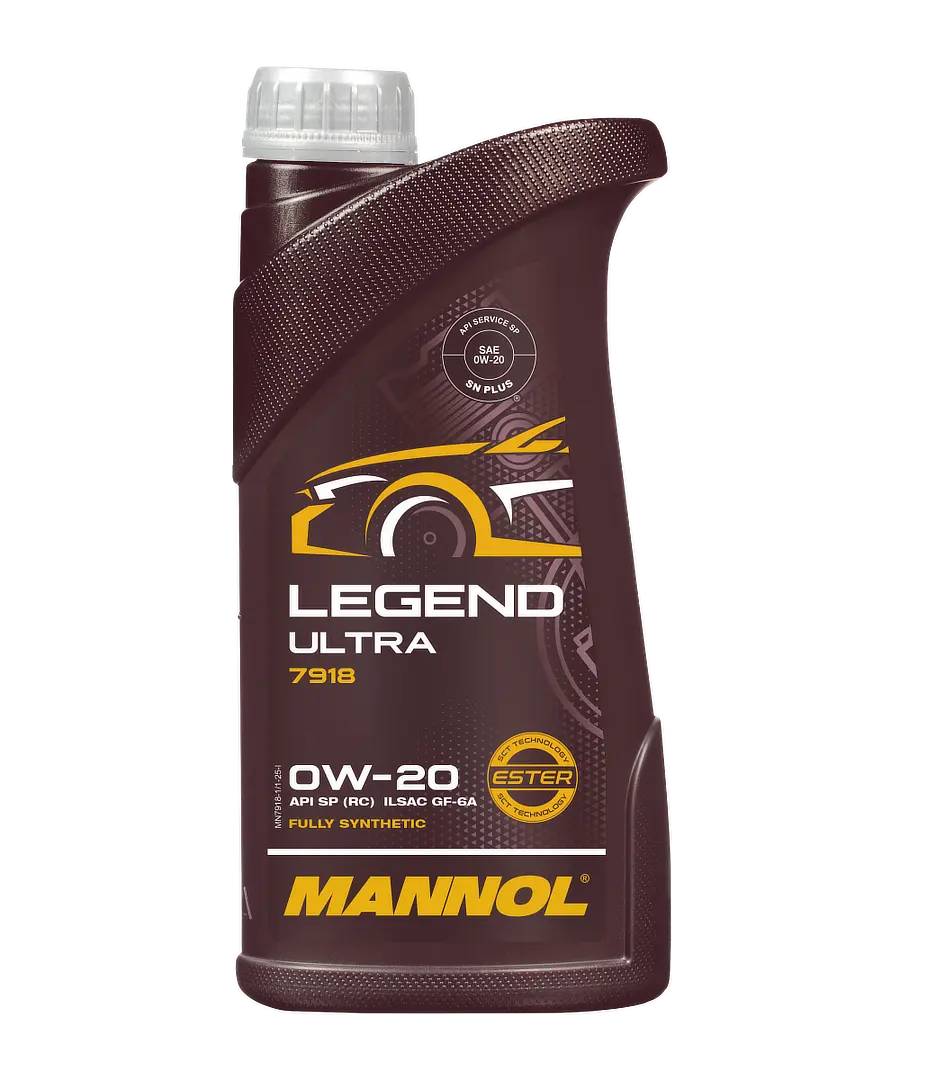
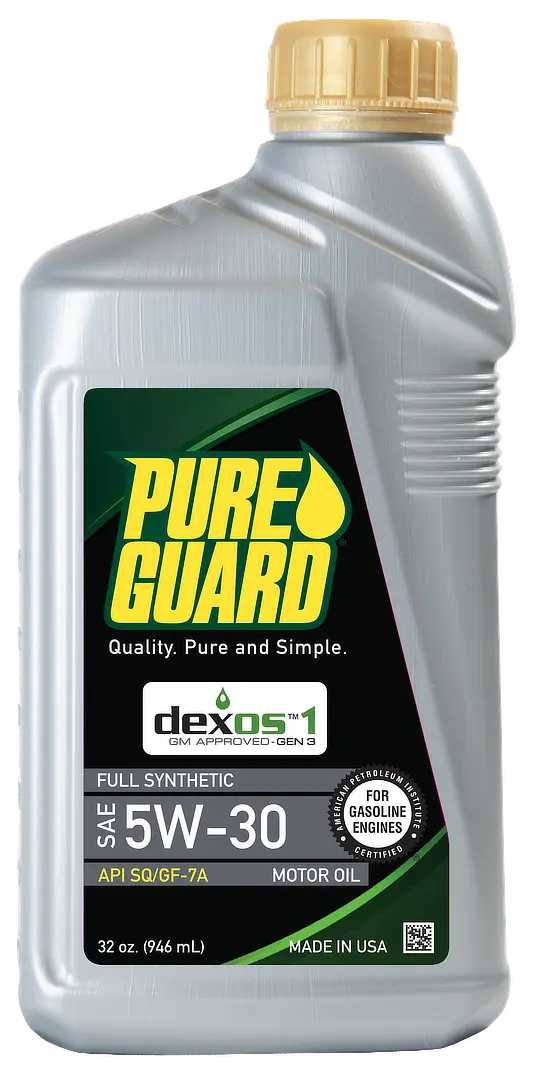
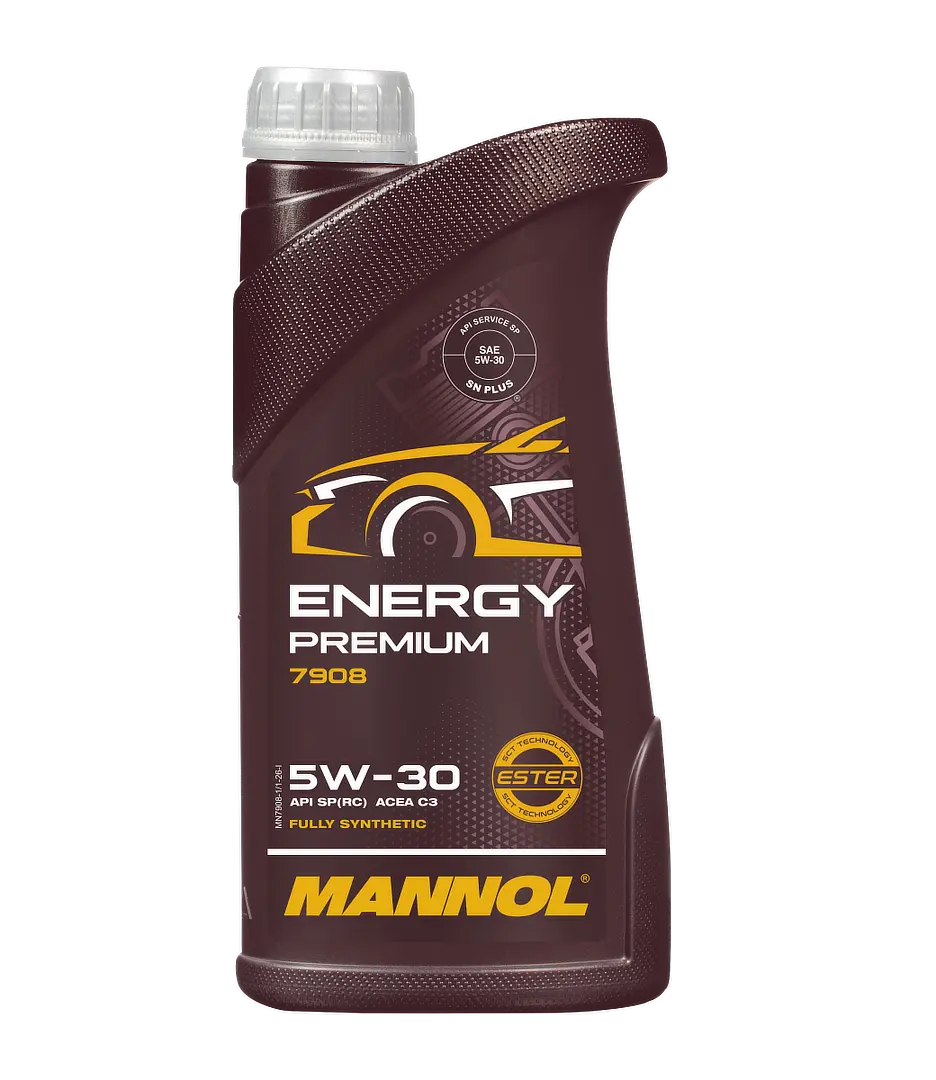
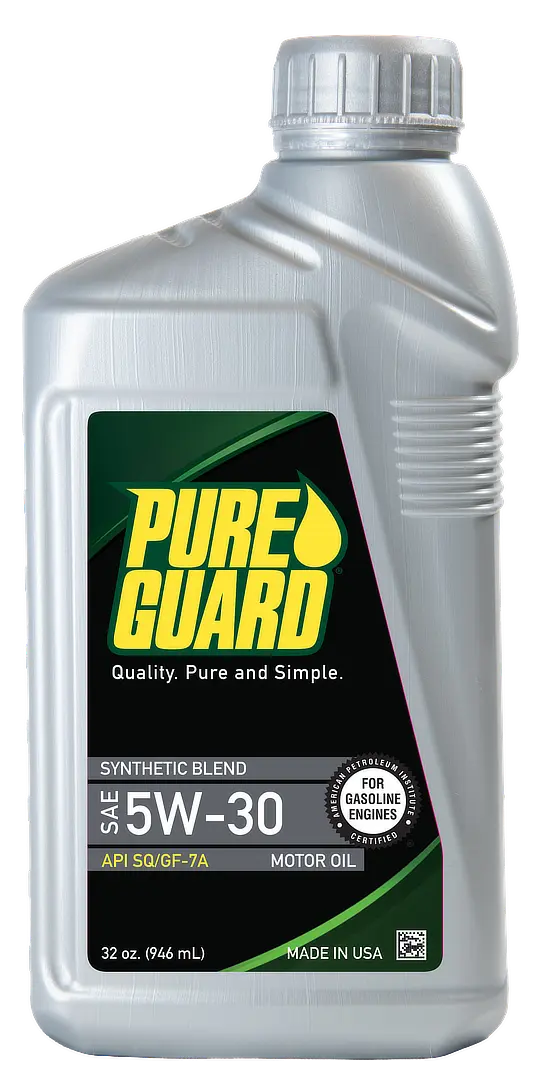
Inforca lists PureGuard full synthetic oils in common SAE 0W-20, 5W-20, 5W-30 and 10W-30 grades. Current MANNOL examples include Legend Ultra 0W-20 and Energy Premium 5W-30, alongside application-specific products.3
The exact API, ILSAC, ACEA or OEM claims must be checked product by product. Pack size and availability also require confirmation.
Frequently asked questions
Is synthetic oil required in every new car?
No universal rule applies. Follow the vehicle’s stated oil requirement.
Can synthetic and conventional oil be mixed?
Compatible products can generally support an emergency top-off, but planned mixing can dilute performance and should not replace one verified product.
Does synthetic oil cause leaks?
It does not create damaged seals, but an existing leak may become noticeable. Diagnose the source.
Can synthetic oil clean sludge?
Do not promise it will safely correct an already sludged engine. Inspection and a repair plan come first.
Match the complete specification
Send Inforca the vehicle or equipment, engine, required viscosity and specifications, duty cycle, monthly volume and package preference. The team can compare documented MANNOL and PureGuard options.
Sources
Footnotes
-
Mobil, Synthetic Oil vs. Conventional Oil, accessed September 10, 2026. ↩
-
American Petroleum Institute, Oil Categories, accessed September 10, 2026. ↩
-
Inforca International, Products, accessed September 10, 2026. ↩
Related Inforca products
Check each product's data sheet against your exact specification before ordering.
Send us the application, specification, and volume — our team will confirm the right product and format.
Talk to Inforca