


Cheap Bulk Motor Oil: A Quality-First Checklist
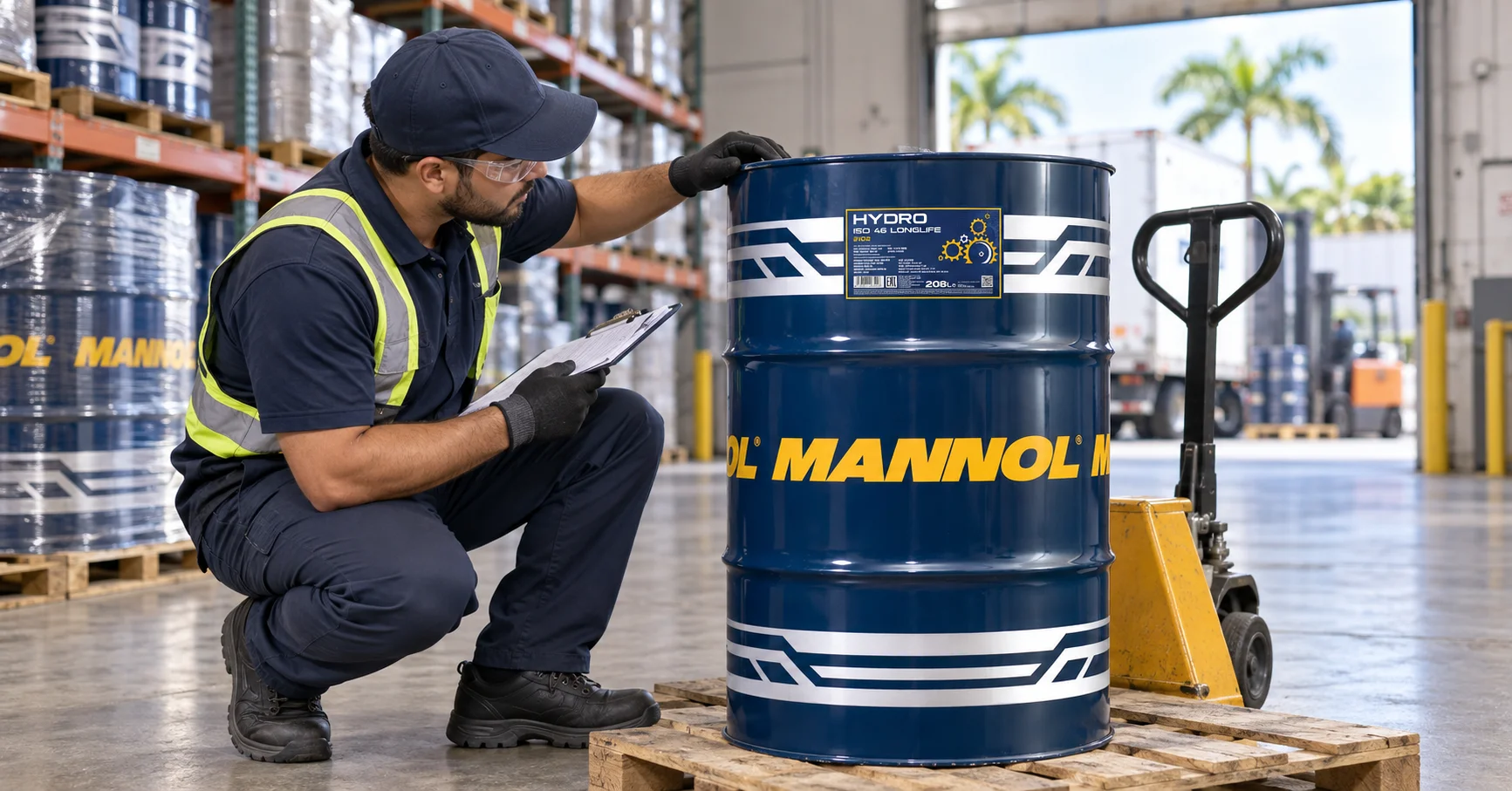
Low-cost bulk motor oil can be a sound purchase when it meets the complete engine requirement and reaches the engine through a controlled supply chain. Reject any option that cannot document the exact product, viscosity, performance category, license or approval status, quantity, and delivery identity.
Price is a valid purchasing criterion. It comes after technical fit and traceability.
Does a low price mean the oil is low quality?
Not automatically. Price can reflect brand position, packaging, quantity, route, promotion, or commercial terms. Container size also does not determine formulation quality.
The buyer still needs to verify:
- exact product and SKU;
- SAE viscosity;
- API and ILSAC category;
- ACEA or OEM requirement where applicable;
- current TDS;
- API license status when claimed;
- container or metered-delivery identity;
- chain-of-custody records;
- storage and dispensing controls.
An expensive oil can be wrong for an engine, and a lower-priced oil can be correct. The application and evidence settle the question.
What is the first pass-or-fail check?
The product must match the engine manufacturer’s requirement. A broad label such as “synthetic,” “diesel,” or “5W-30” is not enough.
The American Petroleum Institute directs users to follow vehicle-manufacturer recommendations when selecting an oil category.1 Its guidance also shows that diesel substitutions require care: API FA-4 is not interchangeable or backward compatible with API CK-4.1
Collect the vehicle or equipment, engine, model year, SAE viscosity, and required API, ILSAC, ACEA, or OEM specification. If a product cannot satisfy the stated requirement, remove it from the price comparison.
How do you verify an API claim?
Search the exact oil in API’s Engine Oil Licensing and Certification System directory. The marketer, brand, viscosity, and service category should match the product being quoted.2
Do not rely only on:
- a quality-mark image on a sales page;
- a license held by another product from the same brand;
- a service category in a distributor spreadsheet;
- an old technical data sheet;
- a statement that the oil is “API quality.”
API licensing is voluntary, and not every legitimate application requires an API mark. When a mark is claimed, however, the claim should be verifiable for the exact product.
How do OEM approvals change the decision?
Some engines require an OEM specification or an approved lubricant. Distinguish among:
- formally approved or licensed: the relevant OEM or licensing system recognizes the exact product;
- meets a specification: the lubricant marketer claims the product satisfies the stated performance level;
- recommended for: the lubricant marketer recommends the product for the application;
- suitable for: a supplier or marketer states an application fit, with evidence that must be reviewed.
Do not rewrite one claim type as another. Where warranty or maintenance policy requires a formal approval, a manufacturer recommendation may not be sufficient.
What chain-of-custody records matter for bulk oil?
Bulk oil moves through more transfer points than a sealed quart. Its identity should remain traceable from provider to distributor, installer, tank, and work order.
API 1525A provides procedures for bulk engine-oil chain of custody and quality documentation.3 Relevant records may include:
- provider and distributor identity;
- brand and product;
- SAE viscosity;
- performance designation;
- API license status when claimed;
- quantity;
- shipment date;
- batch or lot information;
- delivery compartment or container;
- certificate of analysis or conformity when agreed.
Ask how a suspected mix-up or contamination complaint would be investigated. If the seller cannot identify the delivered product, the low price carries an uncontrolled risk.
How should the oil be stored and dispensed?
Use closed, dedicated, labeled equipment from receiving to service. Water, dirt, mixed fluids, and misidentified transfer equipment can compromise correctly formulated oil.
API RP 1525 provides guidance for bulk lubricant testing, handling, and storage at petroleum terminal and tank facilities.4
At the buyer’s site:
- inspect the delivery against the order;
- check seals, labels, and containers;
- record batch or lot information when available;
- use dedicated or verified-clean tanks, pumps, hoses, and meters;
- match the dispensing label to the stored product;
- restrict substitutions and tank top-offs;
- keep used oil and other fluids separate;
- investigate leaks, water, or damaged closures.
Do not assume the supplier’s controls protect the product after it enters your storage system.
Which quote details can hide a higher final cost?
A low advertised unit price may exclude delivery, minimums, deposits, equipment, or unusable residual oil.
Compare the full scope:
| Cost area | What to confirm |
|---|---|
| Product | Exact SKU and usable quantity |
| Delivery | Destination, freight, surcharge, and receiving service |
| Minimum | SKU, order, route, or contract requirement |
| Container | Ownership, deposit, return, and damage terms |
| Equipment | Pump, meter, hose, reel, tank, installation, and maintenance |
| Inventory | Turnover, storage space, and slow-stock risk |
| Handling | Receiving, transfer, and disposal work |
| Terms | Payment, quote expiration, and price-change process |
The lowest complete cost may come from cases, drums, totes, or tank delivery depending on usage. Larger is not automatically cheaper.
What are warning signs in a cheap bulk-oil offer?
Pause the purchase when:
- the exact brand or product is missing;
- only viscosity is stated;
- the API or OEM claim cannot be verified;
- the TDS is unavailable or obsolete;
- the seller will substitute without approval;
- the delivery record will not identify the oil;
- the container has a broken seal or damaged label;
- the supplier cannot explain storage or transfer controls;
- the quote omits quantity, destination, or expiration;
- the product is represented as universal for every engine.
One warning may be resolvable. Several together indicate that the offer is not ready for approval.
How should a shop or fleet test a lower-cost oil program?
Start with a documented application and a limited operational trial. The purpose is to test ordering, receiving, identification, dispensing, and support—not to invent engine-performance conclusions from a small sample.
Record:
- Product and specification evidence.
- Order acknowledgment.
- Delivered quantity and identity.
- Seal and container condition.
- Storage and equipment fit.
- Work-order selection accuracy.
- Residual oil and handling time.
- Invoice accuracy.
- Supplier response to a normal question.
Any drain-interval change or condition-monitoring claim requires the engine manufacturer’s guidance and a qualified maintenance program.
How do MANNOL and PureGuard fit a cost-conscious comparison?
Inforca positions MANNOL as a premium German line with European, light-vehicle, heavy-duty, driveline, grease, and maintenance coverage. PureGuard is positioned as a U.S.-made line for common shop, fleet, heavy-duty, hydraulic, and transmission programs.5
This creates a useful comparison by application and portfolio role. It does not make one brand universally better or cheaper.
For each job, compare exact documented products that satisfy the same requirement. Confirm current package sizes, inventory, quantity, and quote terms with Inforca. SCT Lubricants may enter the brand-level discussion, but product-specific selection requires the finalized catalog and TDS.
Frequently asked questions about cheap bulk motor oil
Is cheap motor oil bad for an engine?
Price alone cannot answer that. Verify the complete engine requirement, product evidence, license or approval status, and supply-chain controls.
Is bulk motor oil diluted?
Legitimate bulk engine oil should match the identified product. Chain-of-custody, sampling, delivery, and storage controls help verify integrity. Do not buy unidentified oil.
Is store-brand or value-line oil safe?
It can be appropriate when the exact product meets the engine requirement and its claims are verifiable. Brand tier does not replace specification matching.
Can I use any API SP oil in an engine requiring 5W-30?
Not from that information alone. Confirm the viscosity, API category, ILSAC or OEM requirements, and manufacturer instructions.
Does Inforca sell cheap bulk oil?
Inforca offers value and premium product roles but does not publish a universal “cheapest” claim. Send the specification, monthly usage, format, and delivery ZIP for a current comparison.
Apply the quality gate before the price ranking
Send Inforca the vehicles or equipment, complete specifications, current products, monthly use, desired formats, and delivery ZIP code. Compare only the MANNOL, PureGuard, or other current options that pass the documented application requirements.
Sources
Footnotes
-
American Petroleum Institute, Oil Categories, accessed September 10, 2026. ↩ ↩2
-
American Petroleum Institute, Engine Oil Licensing & Certification System, accessed September 10, 2026. ↩
-
American Petroleum Institute, API 1525A, accessed September 10, 2026. ↩
-
American Petroleum Institute, RP 1525, accessed September 10, 2026. ↩
-
Inforca International, Brands, accessed September 10, 2026. ↩
Related Inforca products
Check each product's data sheet against your exact specification before ordering.
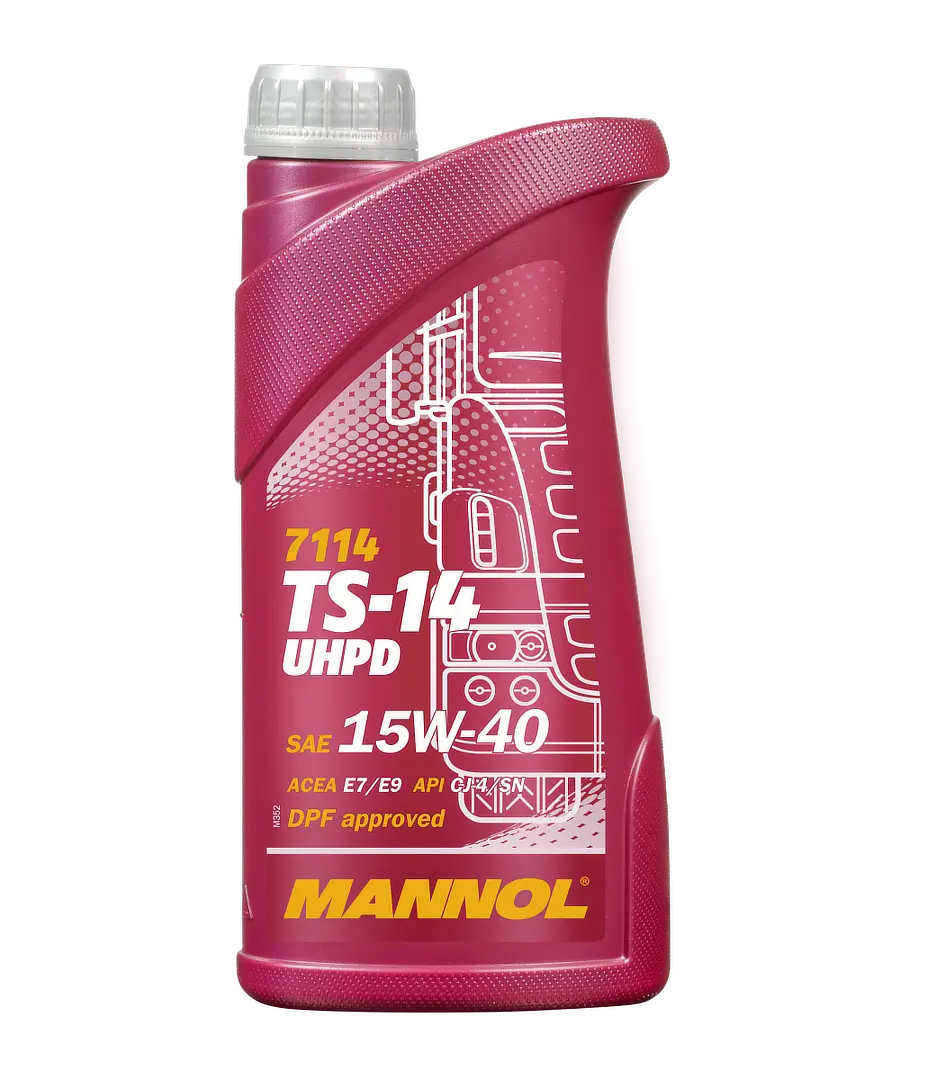
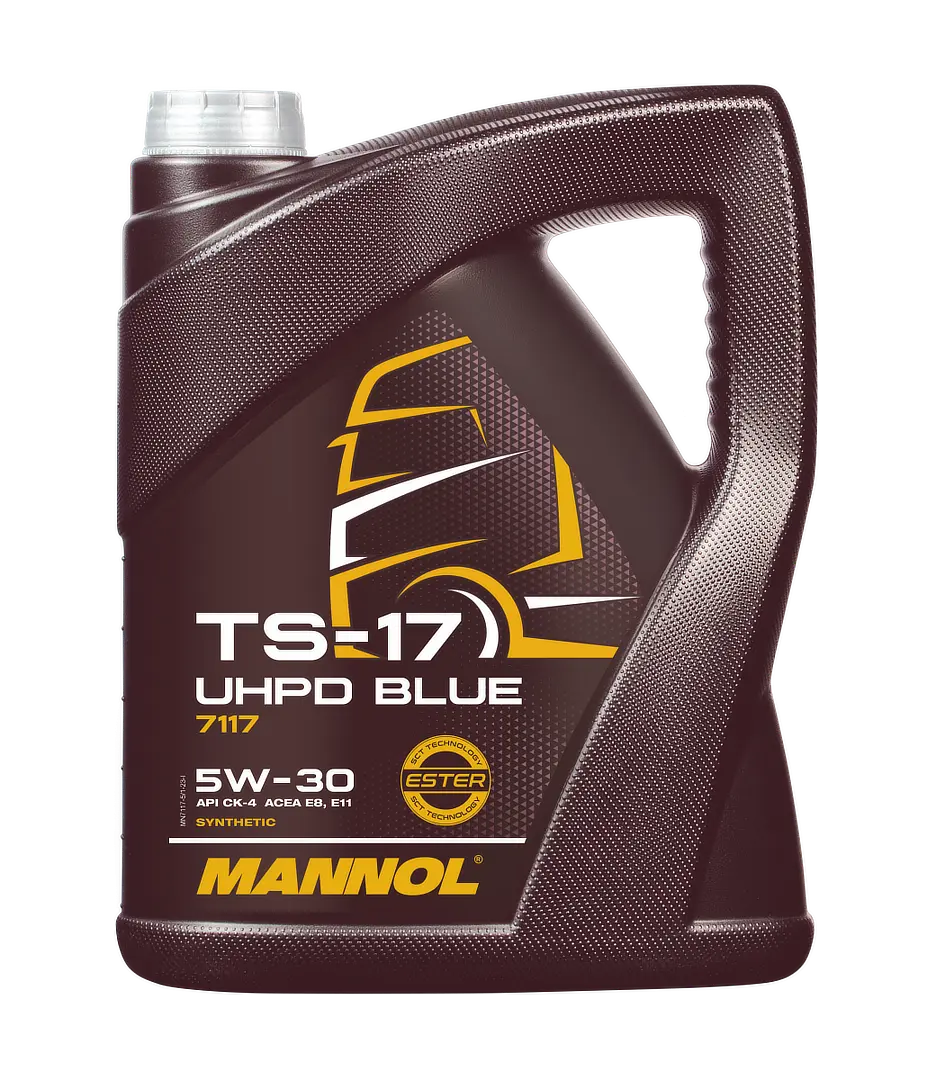
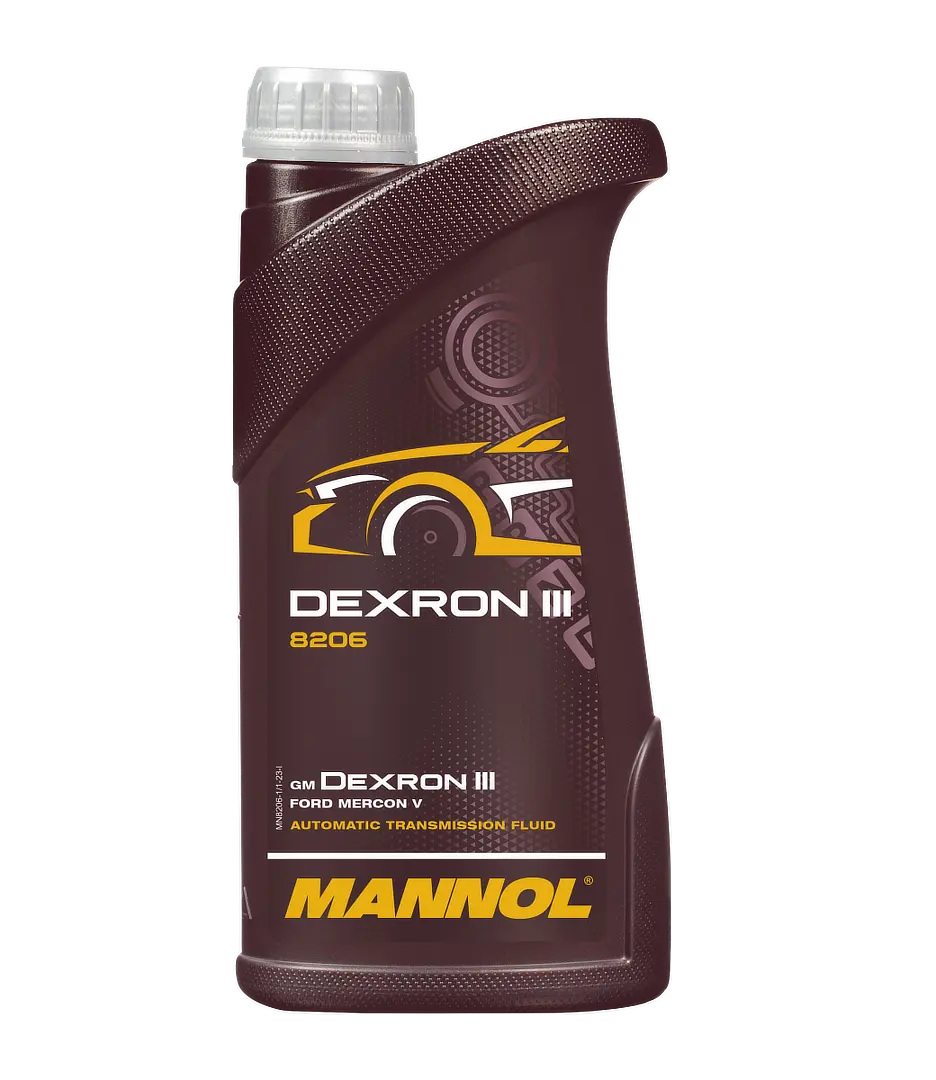
Send us the application, specification, and volume — our team will confirm the right product and format.
Talk to Inforca