


Dealer Bulk Oil vs. Bottled Motor Oil
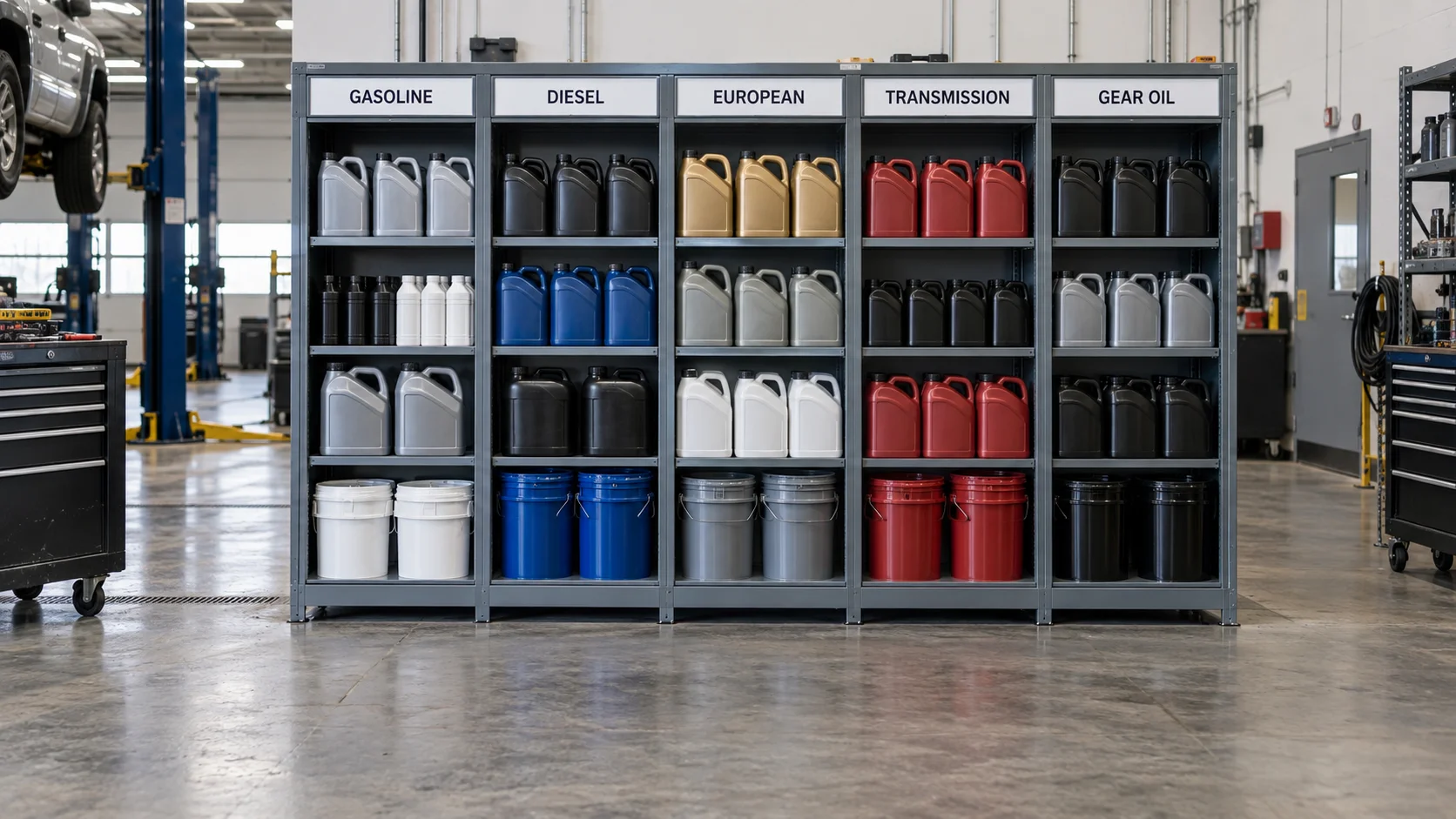
Dealer bulk oil can be the same formulation sold in bottles, a different product that meets the same engine requirement, or an OEM-branded formulation with its own part number. Container size alone cannot tell you which situation applies.
Compare the exact product name, SKU, SAE viscosity, API/ILSAC category, ACEA or OEM specification, technical data sheet, and license or approval evidence.
Is dealer bulk oil lower quality?
Not automatically. Bulk describes a supply and dispensing method, not a quality grade. The oil’s formulation, documented performance, chain of custody, storage, and correct application determine whether it is suitable.
A sealed bottle makes product identity visible on the label. A dealer using tanks must preserve the same identity through delivery records, tank labels, dispensing equipment, and the repair order.
Can bulk and bottled oil be the exact same product?
Yes. A lubricant marketer may offer one formulation in quarts, jugs, drums, totes, and bulk delivery. The product name and specification may match across packages.
It is also possible for a supplier to offer a commercial-only product or for a dealer program to use another approved oil. Verify instead of assuming.
Ask for:
- brand and exact product name;
- manufacturer or supplier SKU;
- technical data sheet revision;
- viscosity and performance categories;
- package or bulk-delivery identifier;
- API license record when applicable.
If the names differ, compare the full specifications and claim types.
Does the OEM logo mean the oil is different?
An OEM-branded oil may have a unique formulation, a private-label supply arrangement, or another documented relationship. The logo alone does not explain the formulation.
Use the OEM part number, approved-product list, service manual, and TDS. If the vehicle requires a formal OEM approval, confirm that the dealer’s oil carries it. If an independent product is proposed, confirm that it meets the same requirement under the evidence standard the vehicle or warranty process accepts.
Do not infer that an oil without the vehicle logo is inferior or equivalent.
Can two different oils both be correct?
Yes. More than one product can satisfy an engine’s viscosity and performance requirements. They may differ in brand, formulation, approval portfolio, package, and price while remaining acceptable for that application.
The opposite is also possible: two 5W-30 oils may serve different engines because their API, ILSAC, ACEA, or OEM claims differ.
The American Petroleum Institute advises users to follow vehicle-manufacturer recommendations when choosing an engine-oil category.1
How do you verify an API claim?
Search API’s EOLCS directory for the exact brand, viscosity, and service category.2 Do not rely on a quality-mark image from another package or another oil in the brand.
API’s licensing program covers oils sold in packages and bulk. API checks include product packages and bulk-oil receipts as part of its market surveillance.3
An API license does not replace a required ACEA sequence or OEM approval. Review all requirements listed by the vehicle manufacturer.
What records should a dealer keep for bulk oil?
The dealer or shop should be able to trace the oil from delivery to installation.
Useful records include:
- purchase order and supplier invoice;
- brand, product, viscosity, and performance designation;
- delivered quantity and date;
- batch or lot information when available;
- current TDS and SDS;
- tank and dispenser labels;
- transfer or tank-fill record;
- work order identifying the installed oil.
API 1525A provides chain-of-custody and quality-documentation procedures for bulk engine oil.4
Can bulk oil be contaminated?
Yes, if storage or transfer controls fail. Bottled oil can also be compromised by broken seals or improper storage, but bulk systems have additional transfer points.
Risk controls include:
- matching the delivery to the order before transfer;
- dedicated or verified-clean compartments, hoses, pumps, and tanks;
- closed and labeled storage;
- protected vents;
- no unauthorized tank top-offs;
- separate new and used oil;
- investigation of water, debris, leaks, or damaged seals.
API RP 1525 provides guidance for bulk lubricant testing, handling, and storage.5
Does a vehicle owner have the right to ask which oil was used?
Yes. Ask the service provider to identify the brand or product, viscosity, and applicable specification on the repair order. Shop policies and invoice detail vary, but product identity is a reasonable maintenance record.
Ask:
- What exact oil will be installed?
- Which specification does it meet?
- Is that the requirement for my engine?
- Can I see the current TDS or license record?
- Will the oil appear on the work order?
If the answer is only “bulk synthetic,” request more detail.
Is bulk oil changed at a different interval?
No universal interval change follows from the container. Use the vehicle manufacturer’s maintenance schedule, severe-service conditions, and the exact oil’s accepted use.
Do not extend an interval because the oil came from a premium brand, is full synthetic, or was installed at a dealer. Do not shorten it solely because the oil came from a tank.
Can independent shops use bulk oil correctly?
Yes. The same requirements apply: correct product, documented coverage, controlled receiving, identified storage, clean dispensing, and accurate work orders.
API offers a voluntary Installer Quality Mark program for businesses that meet its bulk-oil chain-of-custody requirements.6 Participation can be one evidence point, but customers should still ask what oil goes into the vehicle.
How does Inforca support shop and dealer supply?
Inforca supplies MANNOL and PureGuard engine oils for light-vehicle, European, heavy-duty, fleet, and workshop applications.7 Product fit and package size are confirmed by exact SKU.
MANNOL can support documented European and premium applications; PureGuard can support common U.S.-made daily-use and high-volume programs.8 Neither brand should be selected by role alone. Send the engine and complete specification.
Inforca’s public site does not claim that every product is offered in tank bulk. Confirm current cases, pails, drums, totes, or other formats before designing the program.
Frequently asked questions about dealer bulk oil
Is dealer oil better than store-bought oil?
Not from the sales channel alone. Compare exact specifications, approvals, license status, and application.
Is bulk oil watered down?
Legitimate bulk oil should match the identified product. Chain-of-custody and storage controls help protect integrity. Water contamination is a handling failure, not a normal bulk-oil feature.
Can dealers use non-OEM-branded oil?
Dealer agreements and service requirements vary. The installed oil must satisfy the vehicle’s requirements and the dealer’s contractual and warranty procedures.
Is retail oil fresher?
Package type does not establish age. Check lot records, storage, product turnover, and manufacturer guidance.
Can I bring my own oil to a dealer?
Policies vary. Confirm whether the dealer accepts customer-supplied oil, which documents it requires, and how labor or warranty terms apply.
Compare the exact products
Send Inforca the vehicle, engine, viscosity, required specification, current dealer oil, monthly shop volume, and desired package. The team can compare documented MANNOL and PureGuard options and confirm current availability.
Sources
Footnotes
-
American Petroleum Institute, Oil Categories, accessed September 10, 2026. ↩
-
American Petroleum Institute, Engine Oil Licensing & Certification System, accessed September 10, 2026. ↩
-
American Petroleum Institute, EOLCS Application and Fees, accessed September 10, 2026. ↩
-
American Petroleum Institute, API 1525A, accessed September 10, 2026. ↩
-
American Petroleum Institute, RP 1525, accessed September 10, 2026. ↩
-
American Petroleum Institute, Distributor and Installer Licensing Programs, accessed September 10, 2026. ↩
-
Inforca International, Products, accessed September 10, 2026. ↩
-
Inforca International, Brands, accessed September 10, 2026. ↩
Related Inforca products
Check each product's data sheet against your exact specification before ordering.
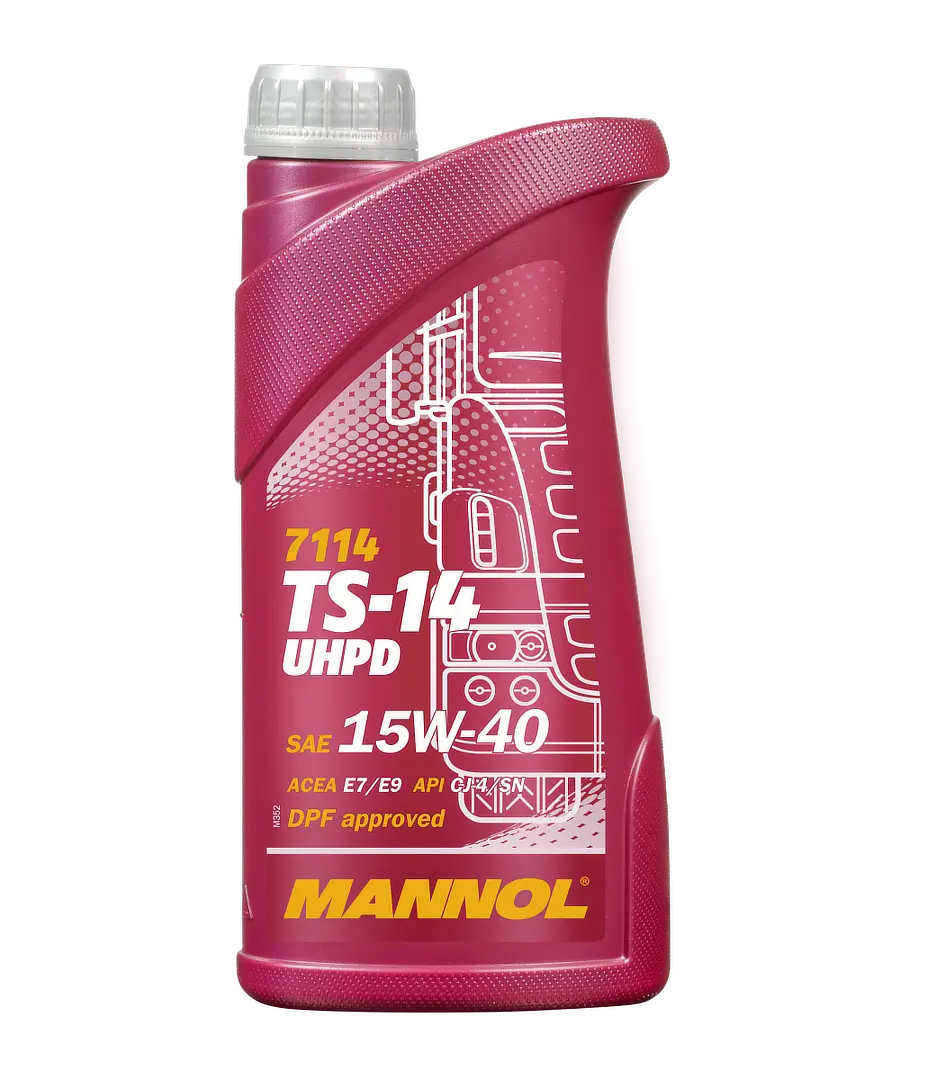
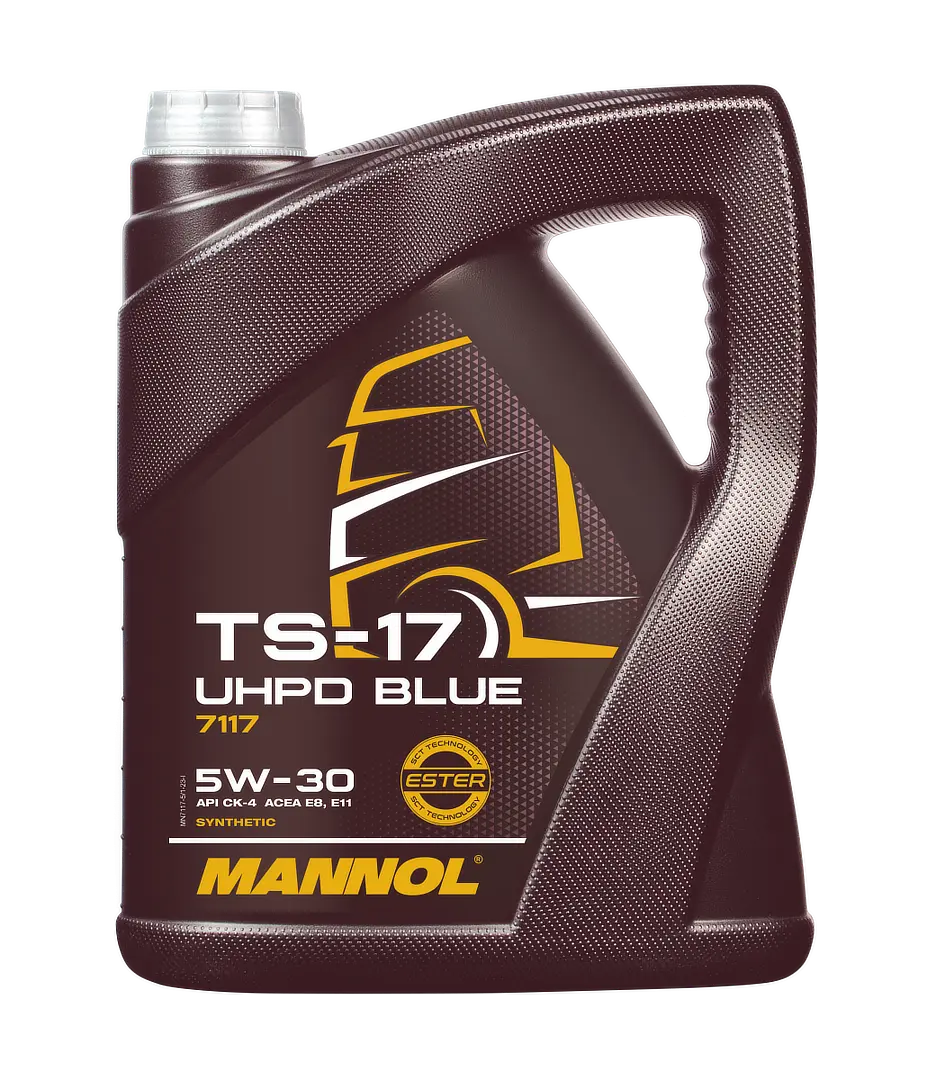
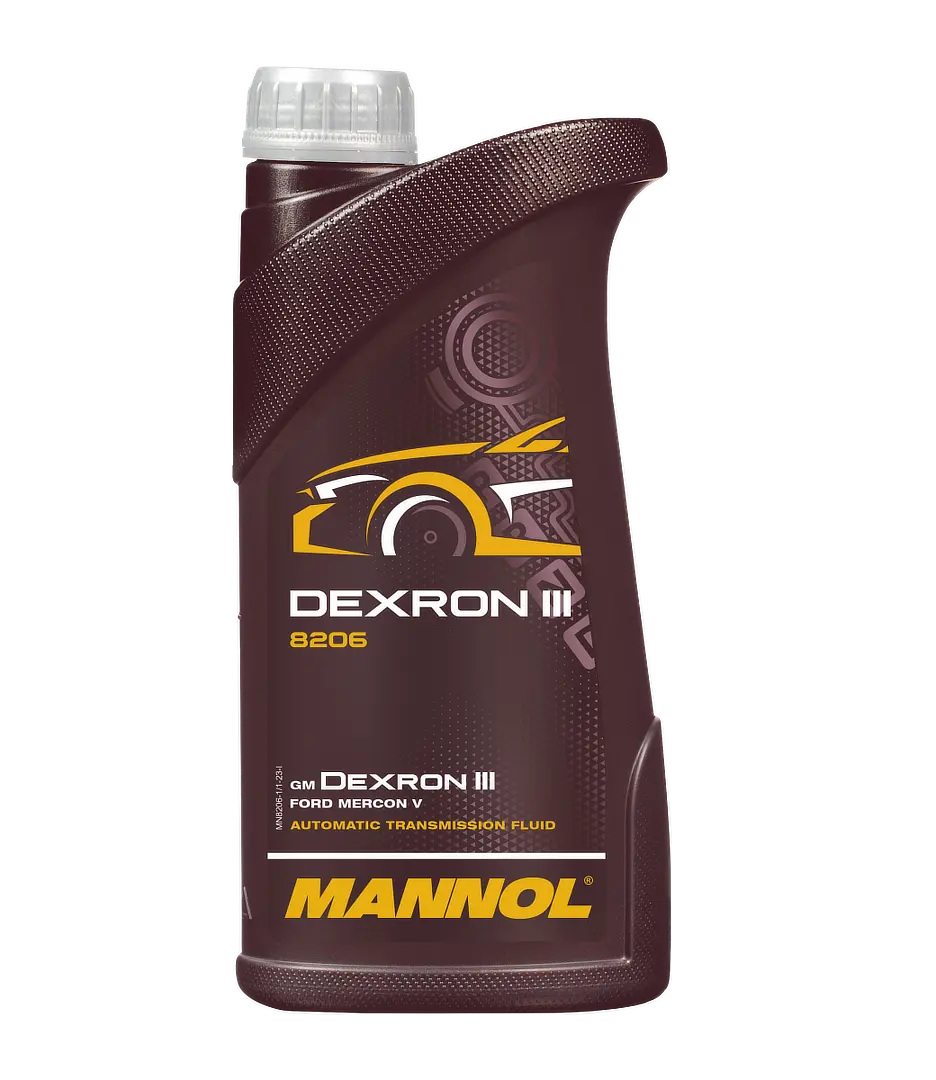
Send us the application, specification, and volume — our team will confirm the right product and format.
Talk to Inforca