


Where to Buy Engine Oil in Bulk Online
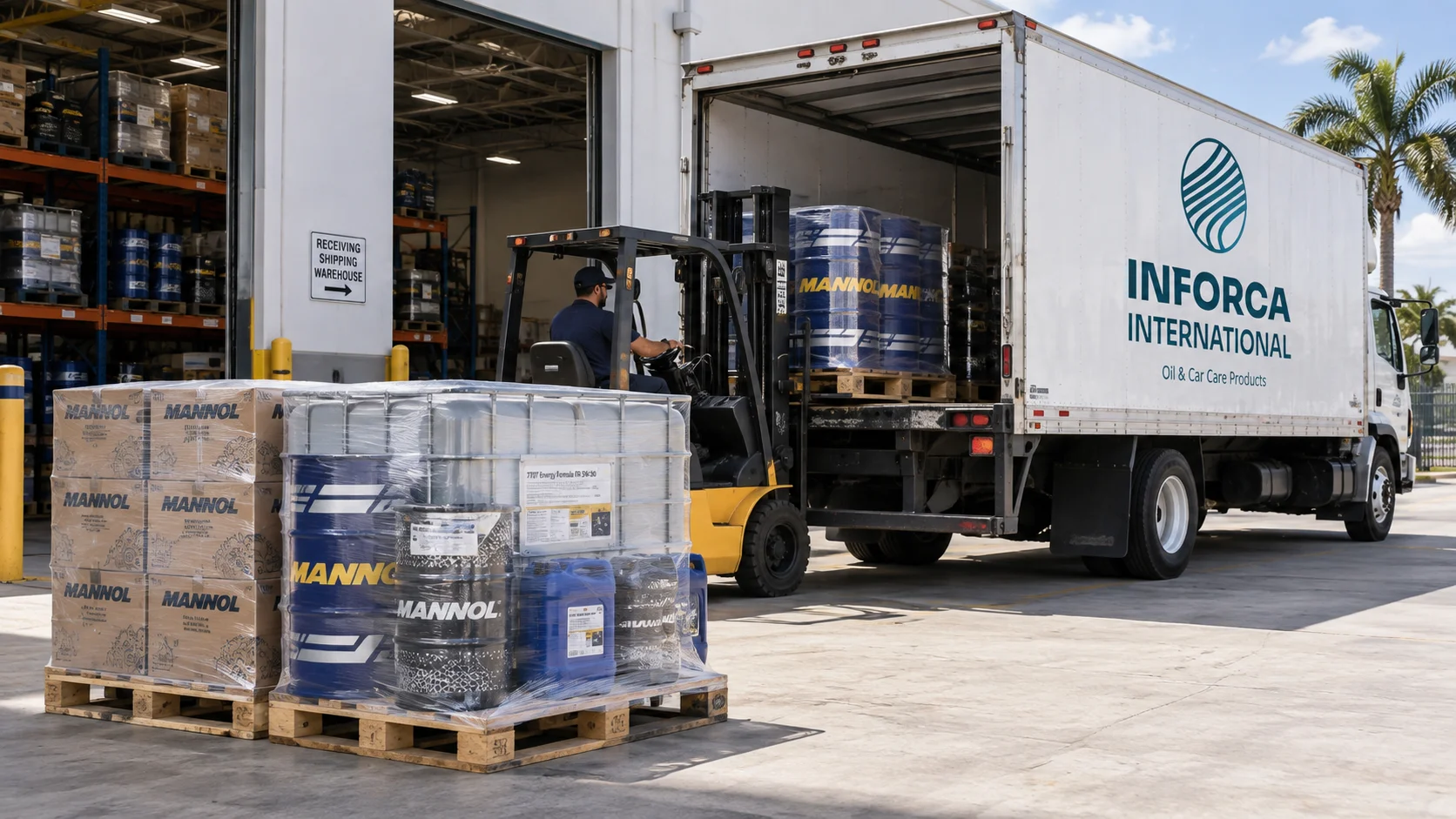
Businesses can buy packaged engine oil, pails, drums, and some larger formats through manufacturer portals, authorized distributors, commercial retailers, parts wholesalers, and online marketplaces. Choose the seller only after confirming the exact product, specification, quantity, shipping method, damage process, and repeat availability.
An online listing is not a technical recommendation. Start with the engine requirement.
Which online sources sell larger quantities of motor oil?
Common channels include:
- lubricant-manufacturer dealer or account portals;
- authorized regional distributors with quote or order forms;
- commercial automotive-parts wholesalers;
- fleet-supply platforms;
- industrial-supply websites;
- warehouse retailers;
- online marketplaces with third-party sellers.
The channel affects documentation and support. A regional distributor may verify specifications and arrange freight; a marketplace may only process the transaction.
What should an online product listing show?
Do not order from a listing that identifies the product only as “5W-30 synthetic” or “diesel oil.”
Require:
- Manufacturer and brand.
- Exact product name.
- Manufacturer part number or SKU.
- SAE viscosity.
- API and ILSAC category.
- ACEA or OEM claim when applicable.
- Package size and number of units.
- Seller’s legal identity and contact information.
- Shipping origin and method.
- Current TDS and SDS.
Use the manufacturer’s current product page to check the name and claims. Do not assume the marketplace title is accurate.
How do you verify an API-licensed oil online?
Search API’s EOLCS directory for the exact brand, viscosity, and service category. The American Petroleum Institute authorizes qualifying marketers to use its engine-oil quality marks and maintains a current directory.1
Check that:
- the product name matches;
- the viscosity matches;
- the API category matches;
- the label generation is current;
- the seller is not using an image from another product.
API also tells users to follow the vehicle manufacturer’s recommendation.2 A valid API license does not override an ACEA or OEM requirement.
How do you verify an OEM approval?
Use the vehicle manufacturer’s approved-oil list or service information when a formal approval is required. Then compare the exact product name and approval number.
Do not treat these phrases as interchangeable:
- approved;
- licensed;
- meets;
- recommended for;
- suitable for.
If the listing says “European formula” without the required OEM specification, it is incomplete for an approval-sensitive application.
Which quantities count as “bulk” online?
Online sellers may use bulk for cases, multipacks, pails, drums, totes, or metered delivery. The listing should state total units and total volume.
Confirm:
- unit size;
- units per case or pallet;
- total shipment volume;
- whether the photo matches the shipped container;
- whether pumps, spouts, or equipment are included;
- whether a drum or tote is returnable;
- whether the quantity is a minimum.
API 1525A uses a narrower definition for bulk engine oil: oil dispensed and delivered in metered quantities.3 A drum may be called bulk commercially while remaining a packaged product.
How should shipping be reviewed?
Large lubricant containers usually move by freight rather than ordinary parcel service. The buyer must be able to receive the shipment.
Ask:
- Is freight included?
- Is the address inside the service area?
- Is a loading dock or forklift required?
- Is liftgate service included?
- What is the delivery appointment process?
- Who inspects and signs for the shipment?
- What is the reporting window for leakage, shortage, or damage?
- Can the container be returned?
- Are there destination or account restrictions?
Read the SDS and carrier terms. Do not assume that a seller’s “free shipping” statement applies to a drum, tote, remote ZIP code, or commercial delivery condition.
How do you reduce counterfeit or tampering risk?
Buy from an authorized or otherwise verifiable source and inspect the shipment before use.
Check:
- manufacturer seal;
- intact cap, bung, or closure;
- correct label and SKU;
- lot or batch code when used by the manufacturer;
- container condition;
- product and quantity on the delivery record;
- consistency with the manufacturer’s current packaging.
Do not use a container with a broken seal, unknown contents, altered label, or unexplained transfer marks until the seller and manufacturer resolve the issue.
What should the return and damage policy cover?
Lubricants may be difficult or impossible to return after opening. Read the policy before purchase.
Confirm:
- cancellation cutoff;
- unopened-product return window;
- restocking charges;
- responsibility for return freight;
- process for a leaking or crushed package;
- shortage reporting;
- wrong-product procedure;
- documentation or photos required;
- contact for suspected quality issues.
Keep the order confirmation, delivery record, product photos, and lot information until the oil has entered normal service.
Is repeat availability more important than one online price?
For a shop or fleet, yes. A one-time listing may not support the next service cycle.
Ask whether the SKU is:
- normally stocked;
- available by regular order;
- special order;
- clearance or discontinued;
- shown through a third-party seller with changing inventory.
Set the reorder point from actual usage and confirmed lead time. Do not standardize a fleet on an online bargain that cannot be replenished.
Can Inforca help with an online bulk-oil search?
Inforca’s current website uses product and quote requests rather than a universal public e-commerce catalog. The company coordinates orders from Doral across Florida and asks buyers to send the application, specification, current product, volume, and location.4
The active portfolio includes MANNOL, PureGuard, SCT Lubricants, and MATO equipment across engine oils, transmission fluids, hydraulics, gear oils, greases, chemicals, and workshop supply.5
Inforca can provide a current quote and product confirmation. The site does not promise that every SKU or presentation can be purchased through an immediate online checkout.
What should you send Inforca?
Send:
- vehicle or equipment and engine;
- viscosity and full specification;
- current product;
- monthly use;
- desired case, pail, drum, tote, or delivery format;
- delivery ZIP code;
- receiving equipment;
- required date.
If you found a product online, include its URL, manufacturer SKU, and current TDS. Inforca can compare it with documented products in the active portfolio.
Frequently asked questions about buying bulk oil online
Can I buy a 55-gallon drum of motor oil online?
Yes, some sellers offer drums online or by web quote. Confirm the exact drum volume, product, freight, unloading, pump, and damage terms.
Is marketplace motor oil safe?
It can be legitimate, but verify the third-party seller, exact SKU, authorization, seals, documents, and return process.
Can bulk oil ship to a residence?
Seller and carrier rules vary. A freight shipment may require commercial access, an appointment, a liftgate, or pickup at a terminal.
Does an online price include delivery?
Not necessarily. Confirm freight, accessorial charges, taxes, and destination before comparing.
Does Inforca have online checkout?
The current site directs buyers to request a quote and contact a specialist. Confirm the account and ordering process with Inforca.4
Verify the listing before placing the order
Send Inforca the engine requirement, online product link, exact SKU, monthly volume, desired format, and delivery ZIP code. The team can compare current MANNOL and PureGuard options and confirm availability and commercial terms.
Sources
Footnotes
-
American Petroleum Institute, Engine Oil Licensing & Certification System, accessed September 10, 2026. ↩
-
American Petroleum Institute, Oil Categories, accessed September 10, 2026. ↩
-
American Petroleum Institute, API 1525A, definition 3.2.3, accessed September 10, 2026. ↩
-
Inforca International, Home, accessed September 10, 2026. ↩ ↩2
-
Inforca International, Products, accessed September 10, 2026. ↩
Related Inforca products
Check each product's data sheet against your exact specification before ordering.
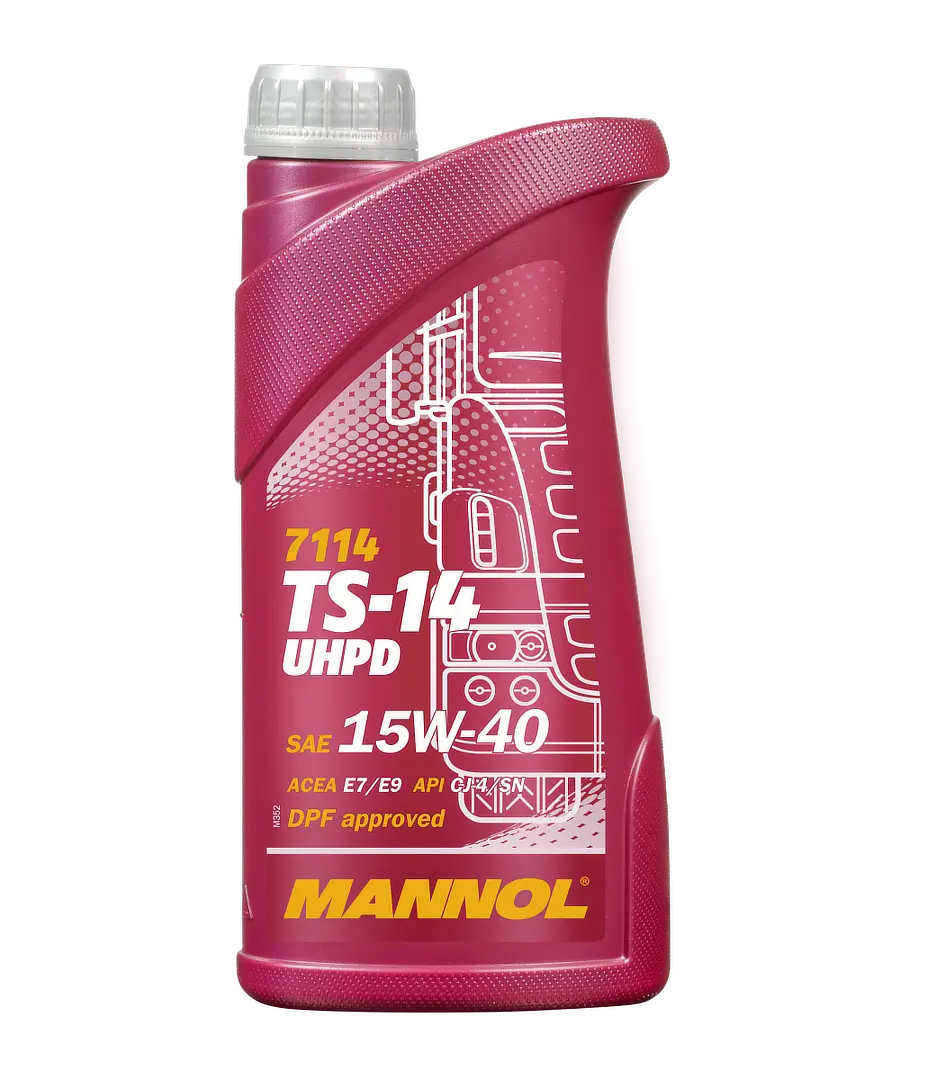
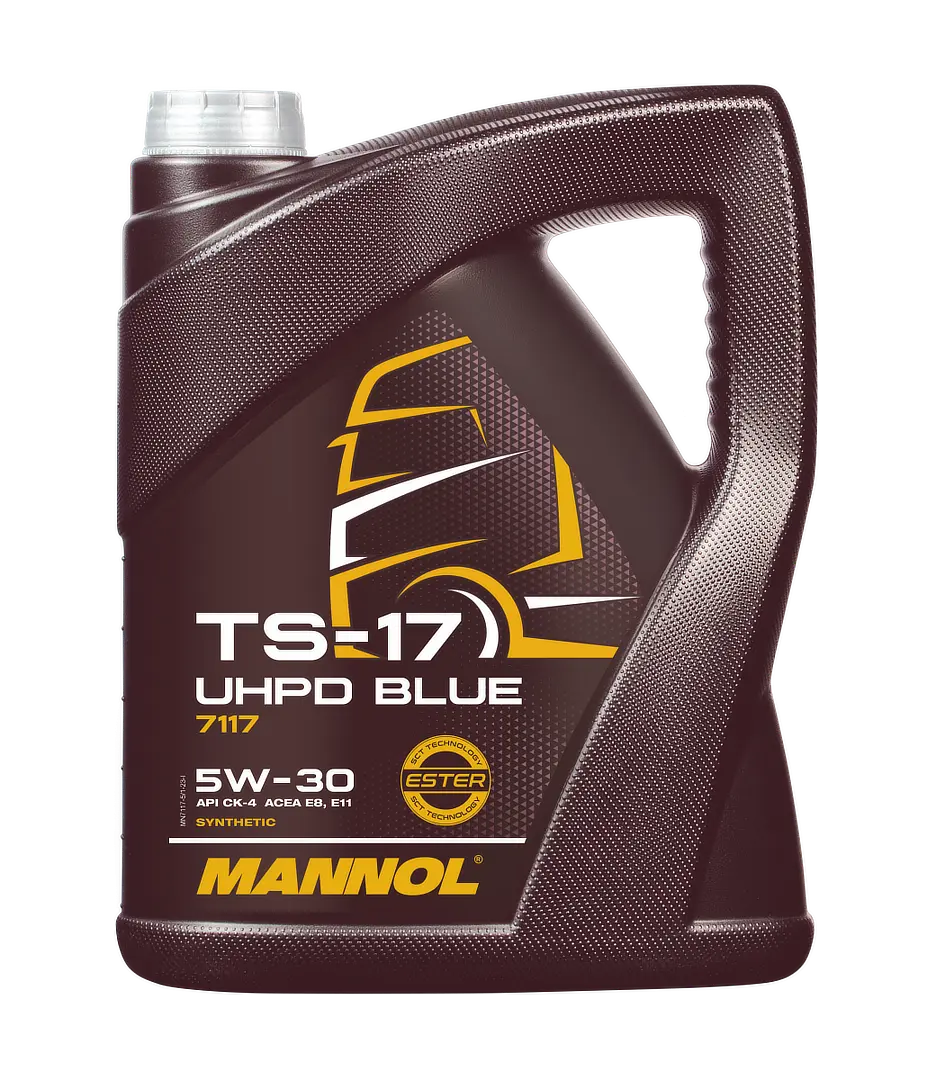
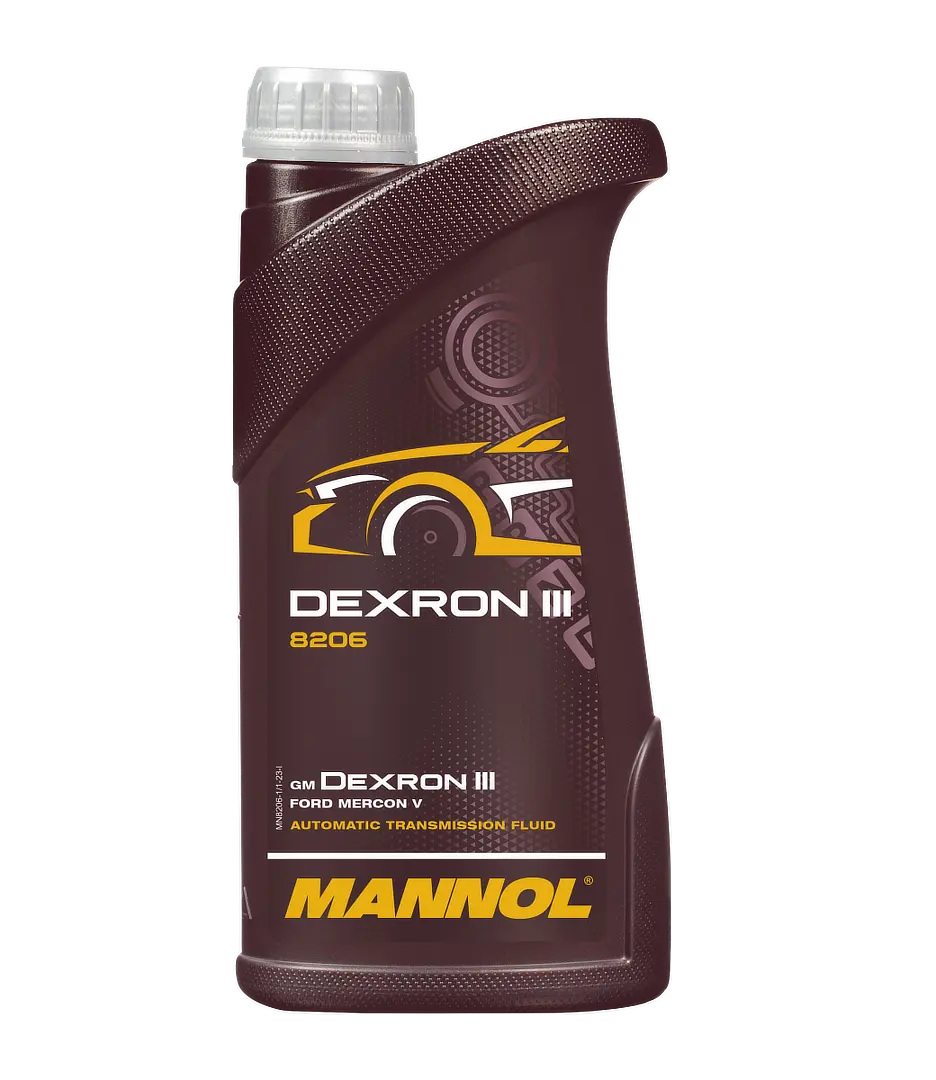
Send us the application, specification, and volume — our team will confirm the right product and format.
Talk to Inforca