


Are Bulk Oil Prices Going Up? Check the Quote
The only reliable way to tell is to compare two dated quotes for the same product, quantity, package or delivery format, destination, equipment, and commercial terms. A higher invoice total does not prove the oil’s unit price increased; the order may include a different quantity, SKU, freight charge, container, or service.
Inforca does not publish a universal bulk-oil price history on its current website. Ask the team to compare the current quote with the prior order line by line.
What should stay the same before two prices are compared?
Normalize the quotes first.
| Field | What must match or be explained |
|---|---|
| Product | Brand, exact product name, and SKU |
| Technical coverage | Viscosity and API, ILSAC, ACEA, or OEM requirement |
| Quantity | Total ordered and usable delivered quantity |
| Format | Case, pail, drum, tote, or metered bulk |
| Destination | Delivery address and receiving conditions |
| Equipment | Pump, meter, tank, deposit, or service included |
| Terms | Payment, minimum, freight, and quote validity |
| Date | Quote issue and effective dates |
If one field changed, isolate its effect instead of calling the entire difference an oil-price increase.
Which changes can raise the invoice without changing the oil price?
The total can change because the order or delivery changed.
Check for:
- more units or a different fill volume;
- a different viscosity or product tier;
- a new performance category or OEM-approved product;
- smaller containers;
- a partial-pallet or route minimum;
- delivery instead of pickup;
- a changed ZIP code or receiving window;
- freight or fuel surcharge;
- container deposit;
- dispensing equipment or installation;
- tax or resale-document change;
- an expired promotion or contract term.
Ask the supplier to separate product, delivery, container, equipment, and other charges on the written quote.
Can industry data show whether lubricant prices changed?
Industry indexes show broad producer-level movement, not the price that one supplier should charge for one product. The U.S. Bureau of Labor Statistics publishes a monthly Producer Price Index for petroleum lubricating oil and grease manufacturing.1
That series can provide context for changes at domestic manufacturers. It cannot establish Inforca’s acquisition cost, freight, inventory date, currency exposure, brand terms, or selling price. It also cannot replace a SKU-level quote comparison.
Use a market index to ask a better question, not to accuse or validate a supplier automatically.
What inputs can change a lubricant quote?
Lubricant pricing can respond to changes in:
- base-oil markets;
- additive packages;
- packaging materials;
- manufacturing schedules;
- imported-product currency or freight;
- domestic transportation;
- warehouse and route conditions;
- order quantity;
- product availability;
- supplier and customer contract terms.
The U.S. Energy Information Administration notes that refinery-production disruptions can affect petroleum-product prices.2 Finished lubricant prices, however, also include additives, blending, packaging, logistics, and commercial factors that crude or base-stock data do not capture alone.
Do not assume that a crude-oil move should pass through immediately or proportionally to every finished lubricant.
Did the specification change?
A quote may be higher because the product is not the same. Review whether the engine or customer now requires a newer category, formal OEM approval, different viscosity, or a different product family.
For example, gasoline-engine oils now include API SQ and ILSAC GF-7A products introduced in 2025.3 That does not mean every customer must switch immediately, nor does it prove a particular price increase. It means the buyer should verify the exact category and product on both quotes.
Where API marks are claimed, check the exact product in the EOLCS directory.4 Do not approve a lower-priced alternative that fails the current engine requirement.
Did the package or delivery method change?
The same oil can have different costs in quarts, jugs, cases, pails, drums, totes, or tank delivery. Packaging, handling, freight, minimums, and residual oil differ.
Ask:
- Is the container volume identical?
- Is the order a full pallet or partial shipment?
- Is delivery included?
- Is a deposit new?
- Is the supplier providing a pump, meter, tank, or hose?
- Did the route or receiving requirement change?
- Is the order below a previous volume tier?
Convert both offers to the same usable quantity and list the differences separately.
What should you ask the supplier?
Send the prior order number and ask five direct questions:
- Is the product SKU unchanged?
- Is the product unit price different from the prior order?
- Which freight, fuel, container, or service charges changed?
- Did the minimum, volume tier, or payment term change?
- How long is the new quote valid?
Ask for the answer in writing. A short variance table is easier to review than a general explanation.
How can a shop or fleet respond to a real increase?
Protect the specification first. Then review options that change the purchasing process without lowering the required performance.
Possible actions include:
- consolidate orders with the same supplier;
- change order frequency;
- compare package sizes;
- move stable high-volume SKUs to a larger format;
- keep specialty oils in smaller sealed packages;
- adjust reorder points to reduce emergency purchases;
- compare exact documented alternatives;
- review delivery versus pickup;
- reduce residual oil and dispensing loss;
- remove obsolete or duplicate inventory.
Every technical alternative requires the same engine and approval check as the current product.
How does Inforca handle current pricing questions?
Inforca uses a quote-based process. Its website asks buyers to provide the vehicle or equipment, viscosity, specification, current product, and business needs.5
For a useful price review, send:
- prior Inforca invoice or quote number;
- exact product and SKU;
- current monthly volume;
- desired presentation;
- delivery ZIP code;
- required date;
- any changed receiving or account conditions.
Inforca can then confirm whether the product, package, availability, or terms changed. This article does not state that Inforca raised or lowered a price.
Frequently asked questions about bulk-oil price changes
Why did my bulk-oil invoice increase?
Compare product, quantity, package, delivery, surcharges, equipment, taxes, and terms. The invoice may differ for more than one reason.
Does a higher crude-oil price always raise motor-oil prices?
No fixed one-to-one relationship applies. Finished lubricants include base oils, additives, blending, packaging, freight, inventory timing, and commercial terms.
Should I switch to a cheaper viscosity?
No. Use the viscosity and performance requirement specified by the engine manufacturer. Change products only after a technical match.
Can buying more reduce the unit price?
It may change the quote, but larger quantities can also create slow inventory, storage, equipment, and contamination costs. Compare the complete result.
Does Inforca post a price list online?
The current public website directs customers to request a quote rather than publishing a universal price list.5
Send the old and new scope
Send Inforca the prior quote or invoice, exact SKU, quantity, presentation, delivery ZIP, and current requirements. Ask for a line-by-line explanation of the current quote and its expiration date.
Sources
Footnotes
-
U.S. Bureau of Labor Statistics via Federal Reserve Bank of St. Louis, Producer Price Index: Petroleum Lubricating Oil and Grease Manufacturing, accessed September 10, 2026. ↩
-
U.S. Energy Information Administration, What Drives Petroleum Product Prices: Production, accessed September 10, 2026. ↩
-
American Petroleum Institute, Motor Oil Guide, accessed September 10, 2026. ↩
-
American Petroleum Institute, Engine Oil Licensing & Certification System, accessed September 10, 2026. ↩
-
Inforca International, Home, accessed September 10, 2026. ↩ ↩2
Related Inforca products
Check each product's data sheet against your exact specification before ordering.
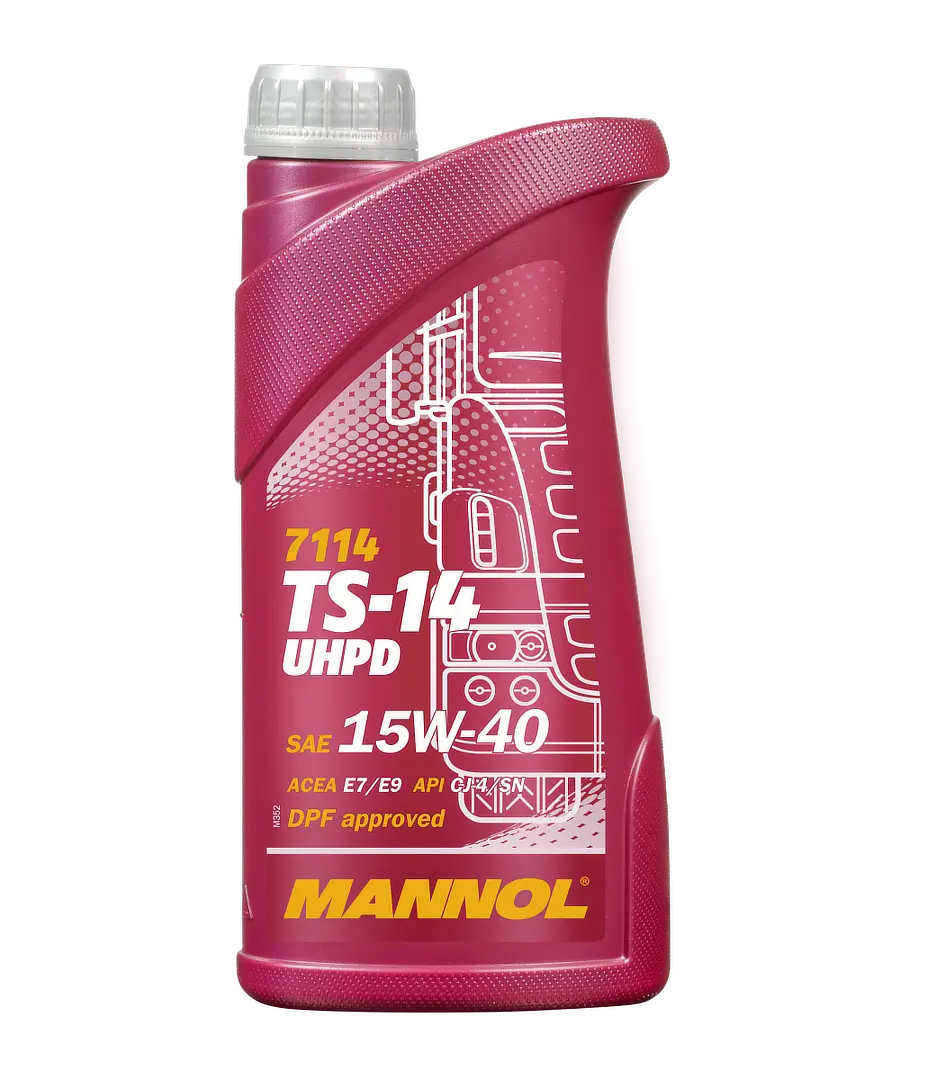
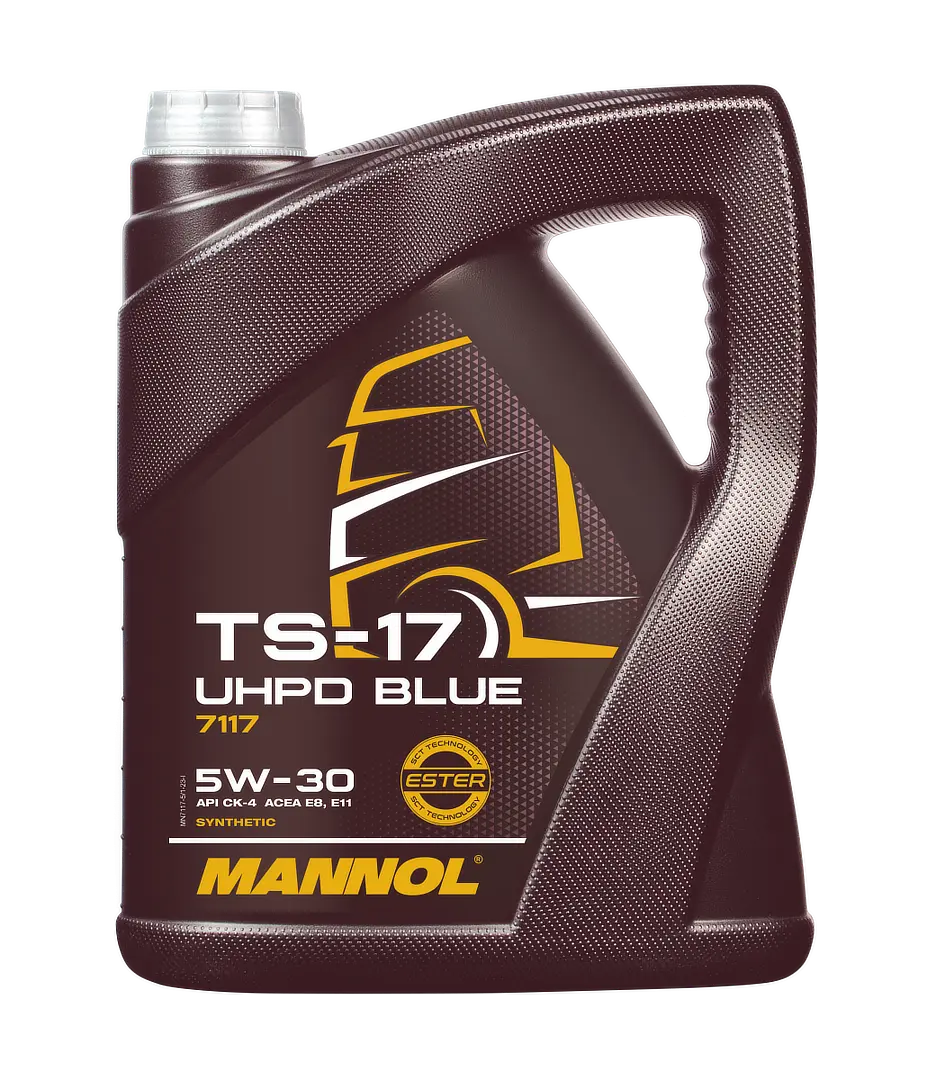
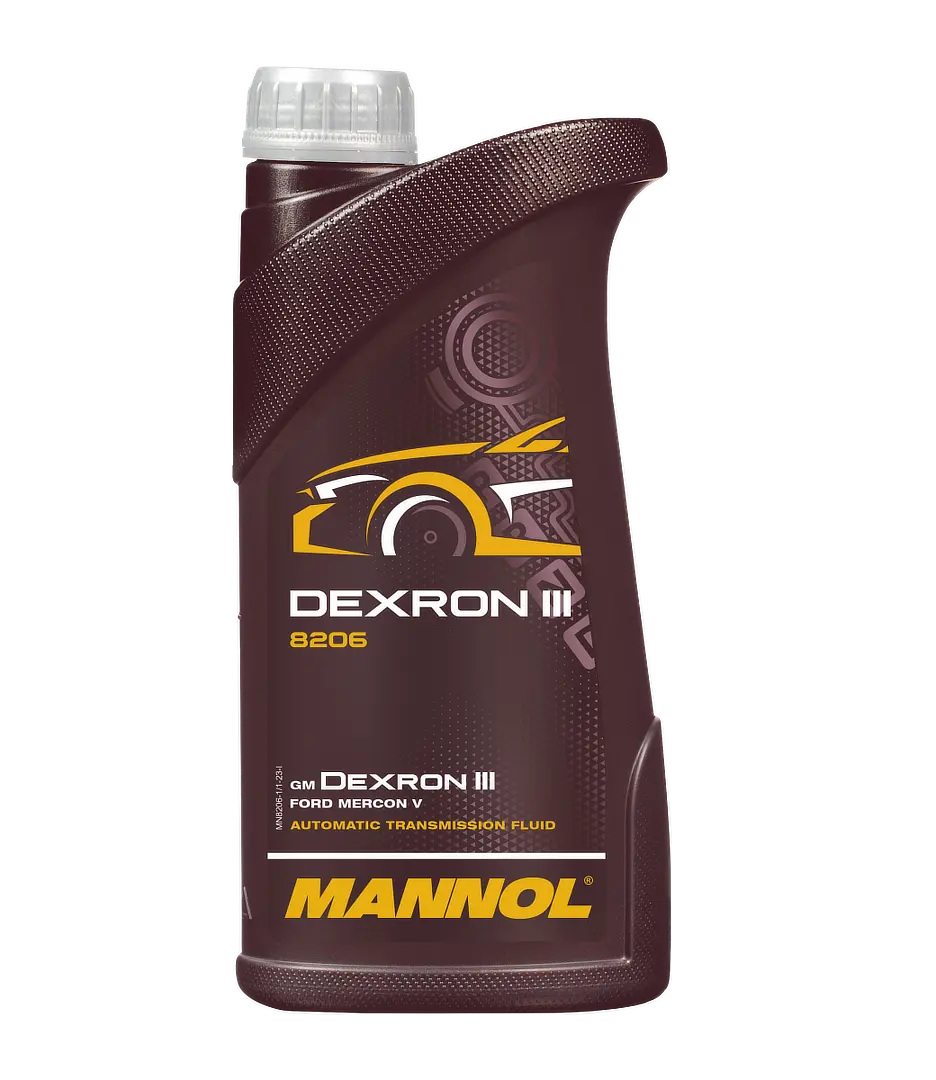
Send us the application, specification, and volume — our team will confirm the right product and format.
Talk to Inforca