


Fleet & Equipment Applications
Agricultural and Construction Equipment Lubrication Guide
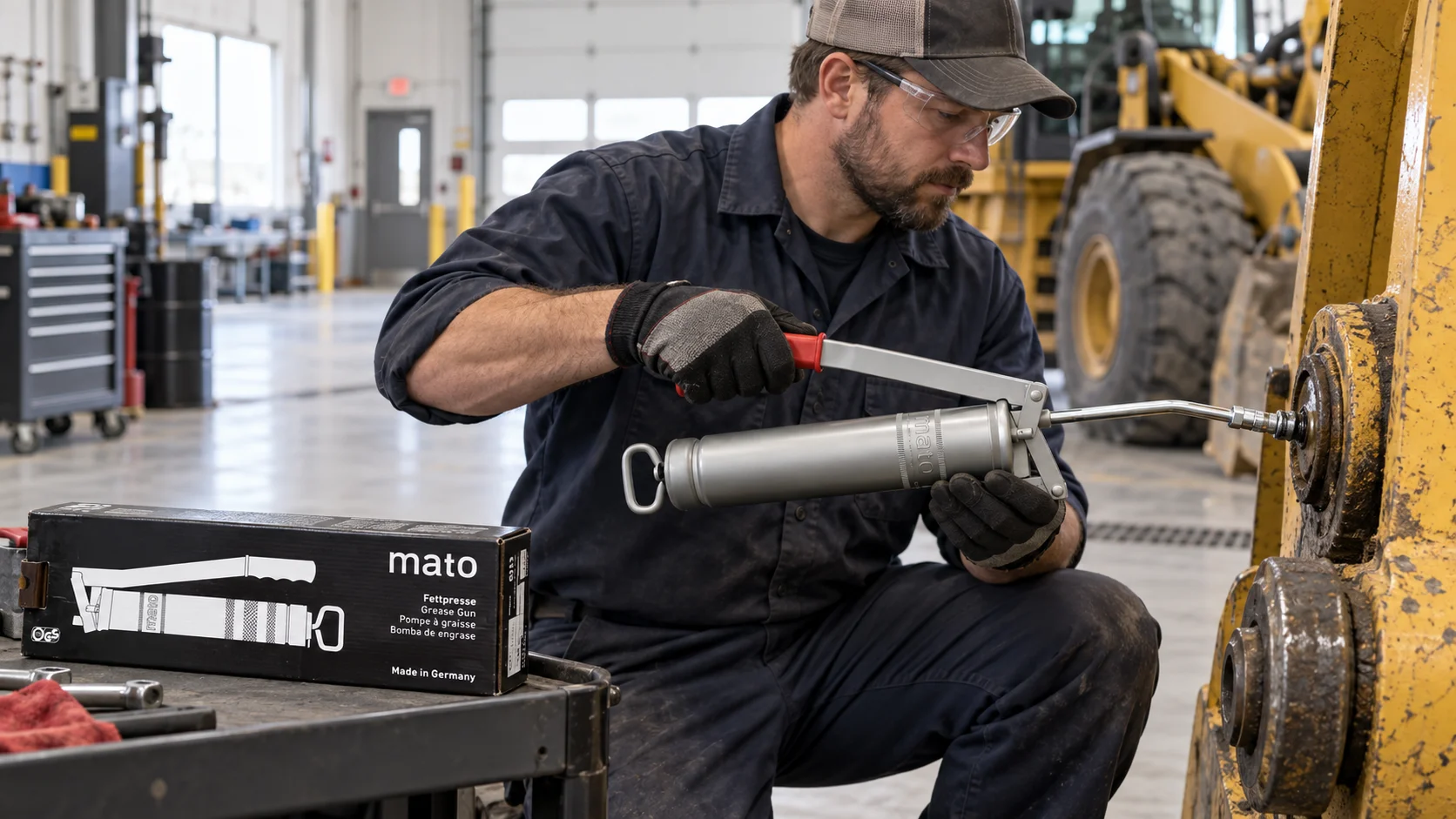
A reliable equipment lubrication program maps every component to its OEM specification, verified product, fill volume, interval, contamination controls, and responsible technician. One machine may need separate engine, transmission-hydraulic, axle, final-drive, gear, coolant, and grease products.
The goal is fewer wrong fills, cleaner transfer, planned inventory, and less avoidable downtime.
Start with a component map
Create one row per fill point:
| Component | Requirement to capture | Common mistake |
|---|---|---|
| Engine | API/ACEA/OEM approval and SAE viscosity | Choosing by 15W-40 alone |
| Transmission/hydraulic common sump | J20C or other manufacturer specification | Using generic AW hydraulic oil |
| Dedicated hydraulic system | ISO VG and pump/fluid specification | Choosing a higher grade for “more protection” |
| Axle/final drive | SAE gear grade, API GL, and OEM standard | Treating GL-5 as universal |
| Wet brakes/clutches | Required friction performance | Introducing chatter with wrong fluid |
| Grease point | NLGI grade, thickener, load, speed, water, temperature | Mixing incompatible greases |
| Cooling system | Chemistry, concentration, and OEM approval | Matching coolant by color |
How should engine oil be selected?
Use engine make, model, serial, emissions level, fuel sulfur, aftertreatment, ambient range, and duty cycle. API CK-4 and FA-4 are not interchangeable; FA-4 is restricted to selected engines.1
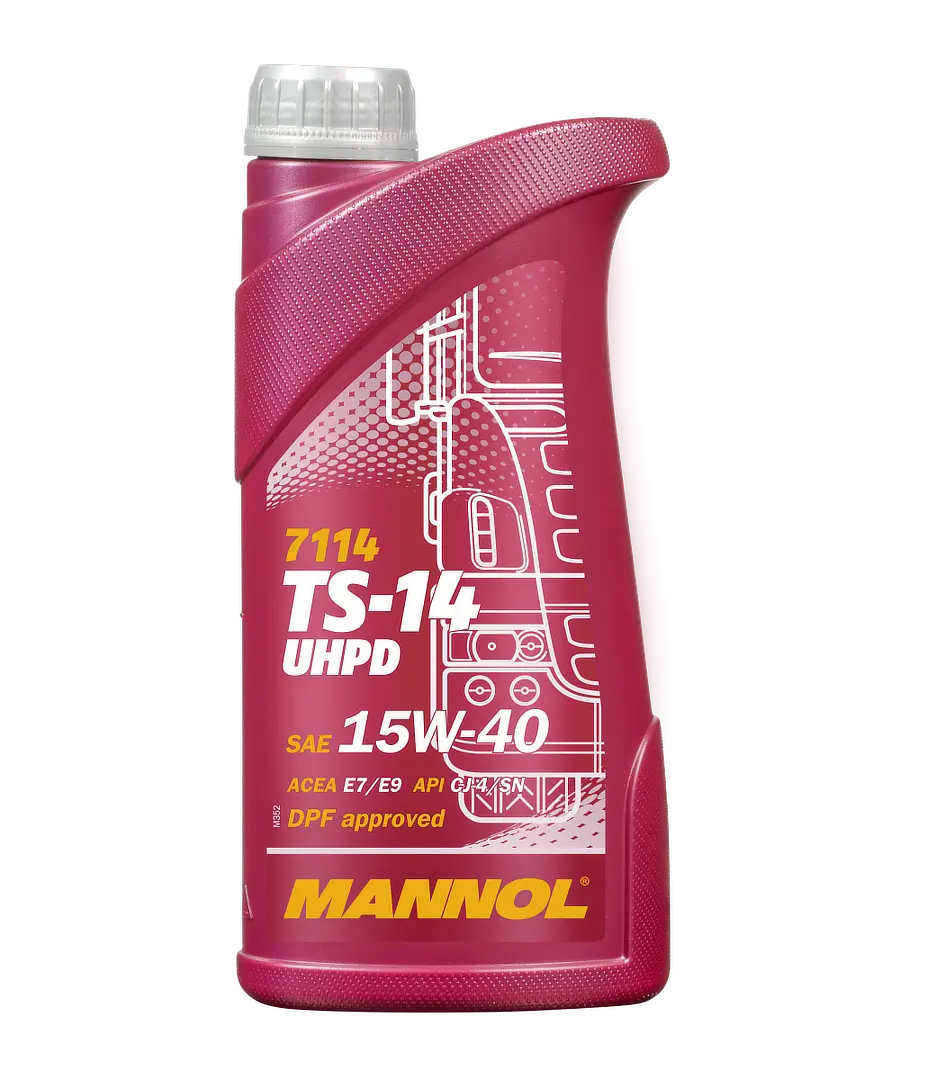
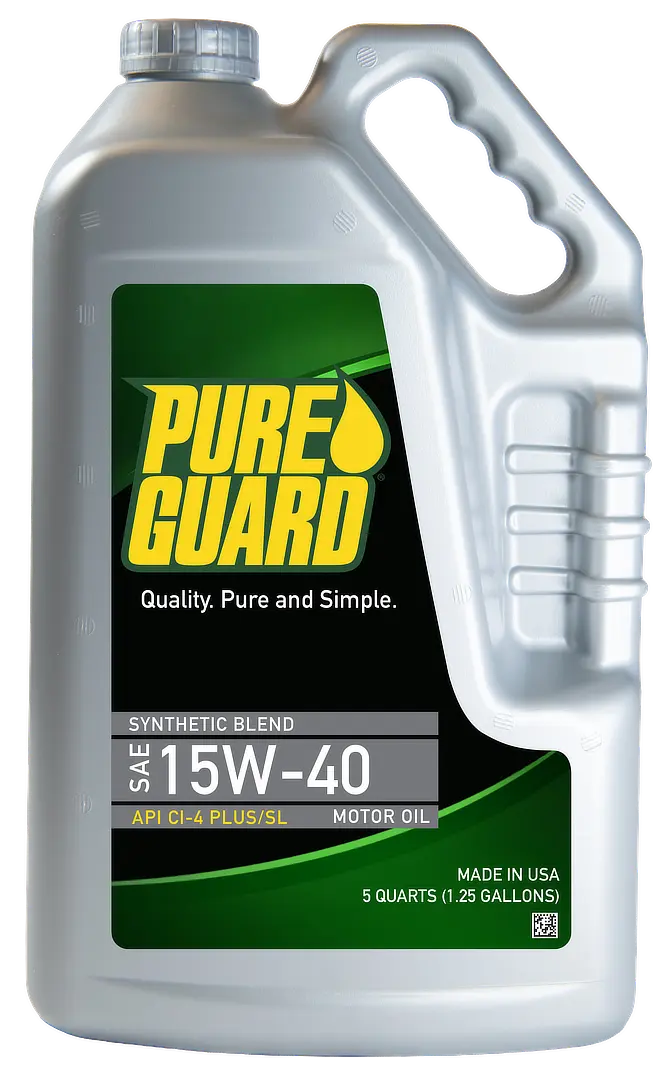
Inforca’s active heavy-duty products include MANNOL TS-series CK-4 oils and PureGuard PG206 15W-40 CK-4/SN.2 Match exact approvals before use.
When is tractor hydraulic fluid required?
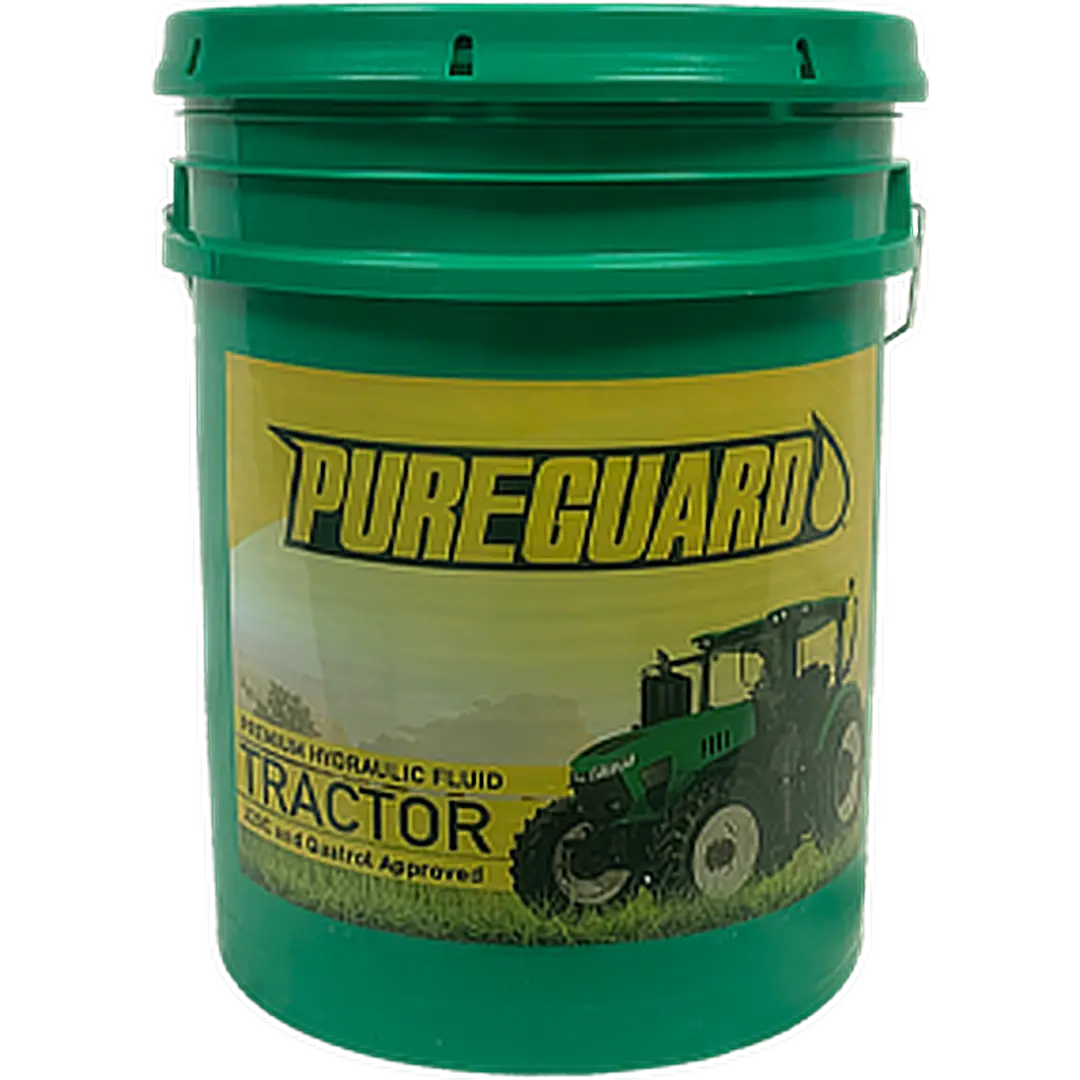
Common-reservoir tractors often need a multifunction fluid such as JDM J20C. It must support hydraulics, gears, wet brakes, and clutches. John Deere warns that fluids outside the exact transmission-hydraulic requirement can compromise machine life.3
PureGuard PG805 is Inforca’s active tractor-hydraulic option; verify its current J20C claim for the machine.
How are ISO hydraulic grades chosen?
ISO VG 32, 46, and 68 represent nominal viscosity at 40°C. Select a grade that keeps the pump inside its intended operating-viscosity range at actual oil temperature.4
Inforca lists PureGuard PG801 ISO 32, PG802 ISO 46, and PG803 ISO 68 AW oils. Grade is only one part; confirm additive system and equipment specification.
How should grease be selected?
Record:
- bearing or joint type;
- speed and load;
- shock or vibration;
- operating temperature;
- water and washdown;
- NLGI grade;
- thickener and base oil;
- relubrication interval;
- compatibility with existing grease.
Inforca lists MANNOL marine, EP moly, high-temperature, and multipurpose greases plus PureGuard high-temperature grease.2 Do not choose from name alone.
How can contamination be controlled?
Use sealed storage, labeled containers, filtered transfer where required, dedicated hoses, clean breathers, capped couplers, and color/shape coding. Keep drums under cover and off the ground.
The label should state product and application — not only a color. Record batch and receiving date.
What should the preventive-maintenance schedule include?
For each unit:
- Daily/shift level and leak checks.
- OEM grease intervals.
- Engine oil and filter limits.
- Hydraulic and transmission sample/change limits.
- Axle and final-drive intervals.
- Coolant concentration and chemistry checks.
- Breather and filter service.
- Oil-analysis sample points and alarm limits where used.
Adjust only through OEM guidance and documented condition monitoring.
How can inventory be simplified safely?
Build the full requirement matrix first. Then find products with verified overlapping coverage. Keep dedicated SKUs for exceptions.
Standardization fails when it hides different viscosities, wet-brake requirements, or OEM approvals. A smaller shelf is useful only if every component remains correctly served.
Frequently asked questions
Can engine oil be used as hydraulic oil?
Only where the equipment manufacturer explicitly specifies it.
Can AW ISO 46 top off a J20C reservoir?
Not by default. AW oil does not establish wet-brake and clutch friction.
Is one grease enough for every fitting?
Only if load, temperature, water, speed, thickener, and OEM requirements all match.
Does new oil need filtering?
Required cleanliness depends on the system. New delivery does not guarantee the machine’s target particle count.
Should oil be changed by hours or analysis?
Start with OEM limits. Analysis can support condition-based decisions when sampling and limits are controlled.
Build the equipment fluid matrix
Send Inforca the unit list, manuals or specification pages, component capacities, current products, temperatures, contamination risks, monthly volumes, and package needs. The team can map documented MANNOL and PureGuard options and flag gaps.
Sources
Footnotes
-
American Petroleum Institute, Oil Categories, accessed September 10, 2026. ↩
-
Inforca International, Products, accessed September 10, 2026. ↩ ↩2
-
John Deere, Transmission and Hydraulic Oil, accessed September 10, 2026. ↩
-
Bosch Rexroth, General Hydraulic Fluid Specifications, accessed September 10, 2026. ↩
Related Inforca products
Check each product's data sheet against your exact specification before ordering.
Send us the application, specification, and volume — our team will confirm the right product and format.
Talk to Inforca