


Is Bulk Oil Good for Your Car?
Bulk oil is lubricant supplied in tanks, totes or drums and dispensed at a service location instead of poured from retail bottles. The package does not decide quality; the exact product and how it is handled do.
Is bulk oil bad for your car?
Not by itself. Bulk oil can be appropriate for a car when the exact oil meets the engine manufacturer’s viscosity and performance requirements and the shop stores and dispenses it correctly. Container size does not determine oil quality.
The real questions are: What product is in the tank? Does it match the vehicle? Can the shop document it? Has it been protected from contamination and mixing?
Is bulk oil a different formulation from bottled oil?
It depends on the product. A manufacturer may sell the same branded formulation in several packages, or it may offer different commercial products for bulk programs.
Do not assume either result. Ask for:
- brand and exact product name;
- SAE viscosity;
- API and ILSAC category;
- ACEA or OEM specification where required;
- product or supplier SKU;
- current technical data sheet;
- API license status when claimed.
If those details match, the package alone does not make the oil inferior. If the shop cannot identify the product, the comparison cannot be made.
For a side-by-side look at dealer tanks and retail bottles, see Dealer Bulk Oil vs. Bottled Oil.
What engine-oil requirements should be checked?
Use the owner’s manual or current vehicle-manufacturer service information. Confirm:
- SAE viscosity.
- API service category.
- ILSAC standard.
- ACEA sequence where applicable.
- OEM specification or approval.
- Service interval and severe-service conditions.
The American Petroleum Institute tells vehicle owners to follow manufacturer recommendations when using its oil-category charts.1 API also maintains a directory of licensed engine oils.2
A tank labeled only “synthetic 5W-30” is not enough for a vehicle that requires a particular API, ILSAC, ACEA, or OEM specification.
How can a shop prove what is in the bulk tank?
The shop should preserve product identity from delivery to work order.
Useful records include:
- supplier invoice or delivery record;
- exact product and viscosity;
- performance category;
- quantity and delivery date;
- batch or lot information when available;
- TDS and SDS;
- tank and dispenser label;
- work-order entry showing the oil installed.
API 1525A provides chain-of-custody and quality-documentation procedures for bulk engine oil.3 API also offers a voluntary installer licensing program for businesses that satisfy defined bulk-oil quality requirements.4
Membership in a program is one form of evidence, not the only question. A vehicle owner can still ask the shop to identify the exact oil.
What can go wrong with bulk oil handling?
Most handling risks involve identity or contamination rather than the idea of bulk supply itself.
Examples include:
- wrong product delivered to a tank;
- different oils mixed during a refill;
- water or dirt entering through an open vent or damaged closure;
- shared pumps or hoses carrying residual fluid;
- incorrect dispenser label;
- unauthorized substitution;
- work-order software pointing to the wrong tank;
- used oil or another fluid entering the new-oil system.
API RP 1525 provides guidance for bulk lubricant testing, handling, and storage at distribution facilities.5 Shops also need their own receiving and dispensing procedures.
Does bulk oil last as long as bottled oil?
The service interval comes from the vehicle manufacturer and the exact oil’s approved use — not from the container size. A properly identified bulk oil does not receive a shorter or longer interval simply because it came from a tank.
Do not extend an interval because the oil is synthetic or sold as premium. Follow the vehicle’s maintenance schedule and severe-service guidance.
The condition of oil in storage also matters. Keep it closed, dry, labeled, and within manufacturer storage guidance. A bottle with a broken seal and a tank with uncontrolled water entry both need investigation.
Is bulk synthetic oil good?
It can be, if it is the correct product and remains controlled through delivery and dispensing. “Full synthetic” does not identify the complete specification.
Two full-synthetic 5W-30 products can differ in:
- API or ILSAC generation;
- ACEA category;
- OEM approvals;
- additive chemistry;
- intended gasoline or diesel service;
- emissions-system compatibility.
Ask for the exact product name and data sheet.
Is bulk oil safe for European vehicles?
Yes, when the bulk product carries the exact ACEA and OEM coverage required for that engine and the claim type satisfies the service policy. Many European vehicles require more than an SAE grade and API category.
The shop should distinguish a formal OEM approval from a lubricant manufacturer’s recommendation. Do not accept “European formula” as a replacement for the required BMW, Mercedes-Benz, Volkswagen, Porsche, or other specification.
Is bulk oil good for older or high-mileage cars?
Age and mileage do not determine the answer by themselves. Use the viscosity and performance requirement, engine condition, oil-consumption history, leaks, and manufacturer guidance.
Bulk oil is not a repair for worn rings, seals, sludge, low oil pressure, coolant contamination, or mechanical noise. A qualified technician should diagnose those conditions.
Do not move to a thicker oil only because the vehicle has high mileage unless the manufacturer or diagnostic process supports it.
What should a vehicle owner ask the shop?
Ask five direct questions:
- What brand and product will you install?
- What viscosity is it?
- Which API, ILSAC, ACEA, or OEM requirement does it satisfy?
- Can you show the current product data or license record?
- Will the exact product appear on the repair order?
A competent shop should be able to identify its bulk oil. If the application is uncertain, it should check before filling.
How does Inforca support shops using larger formats?
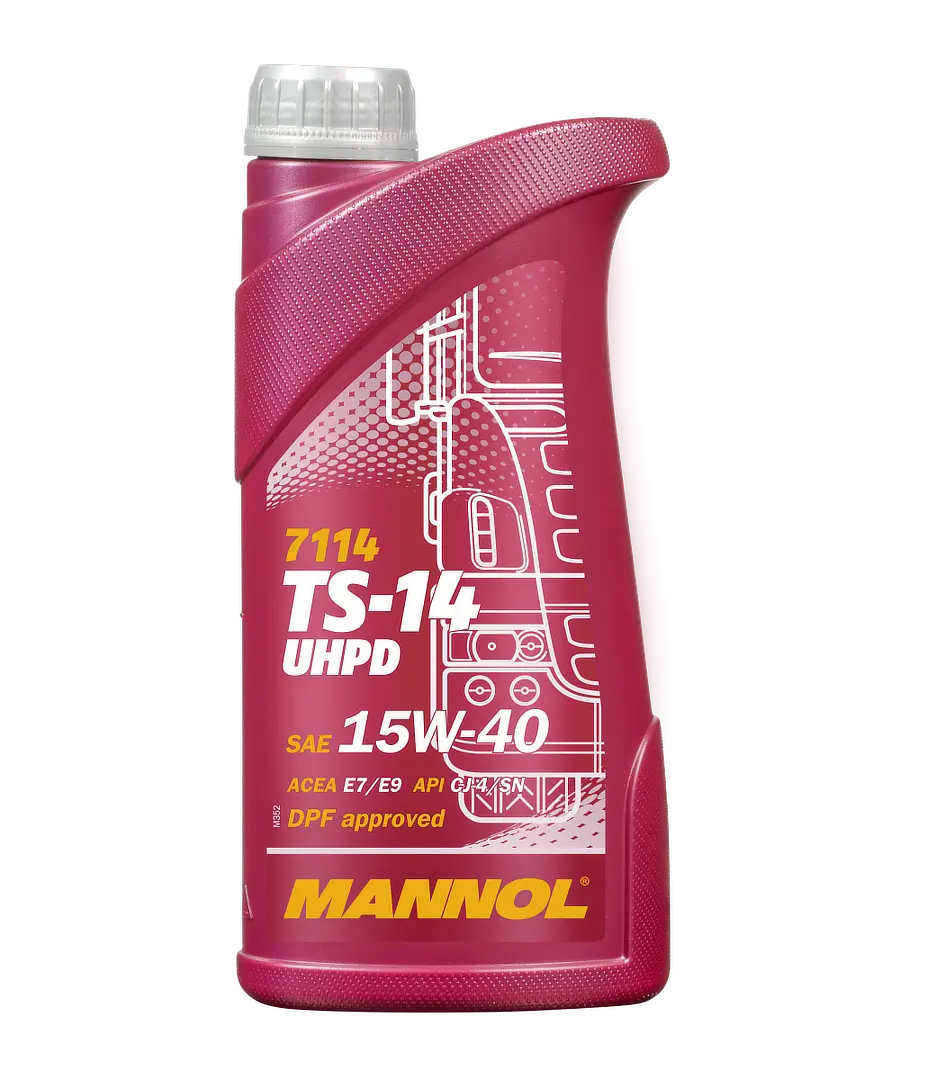
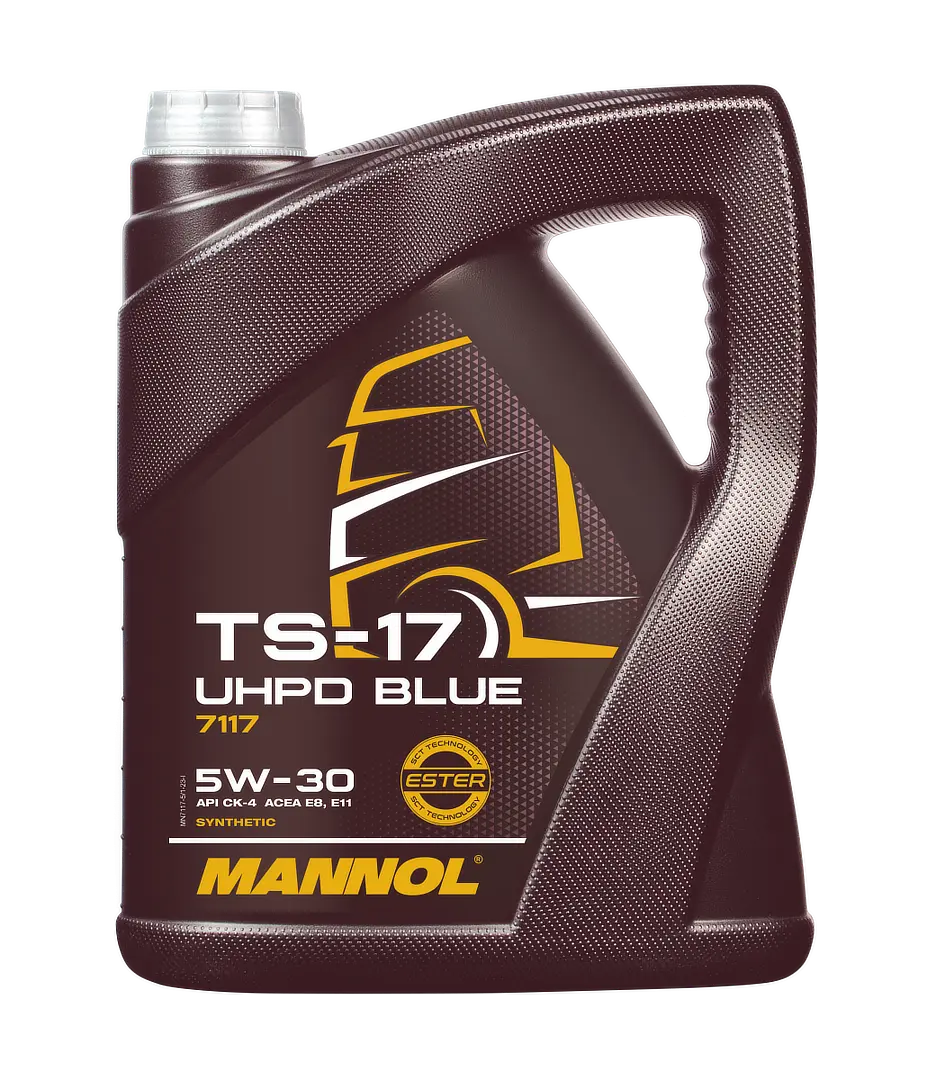
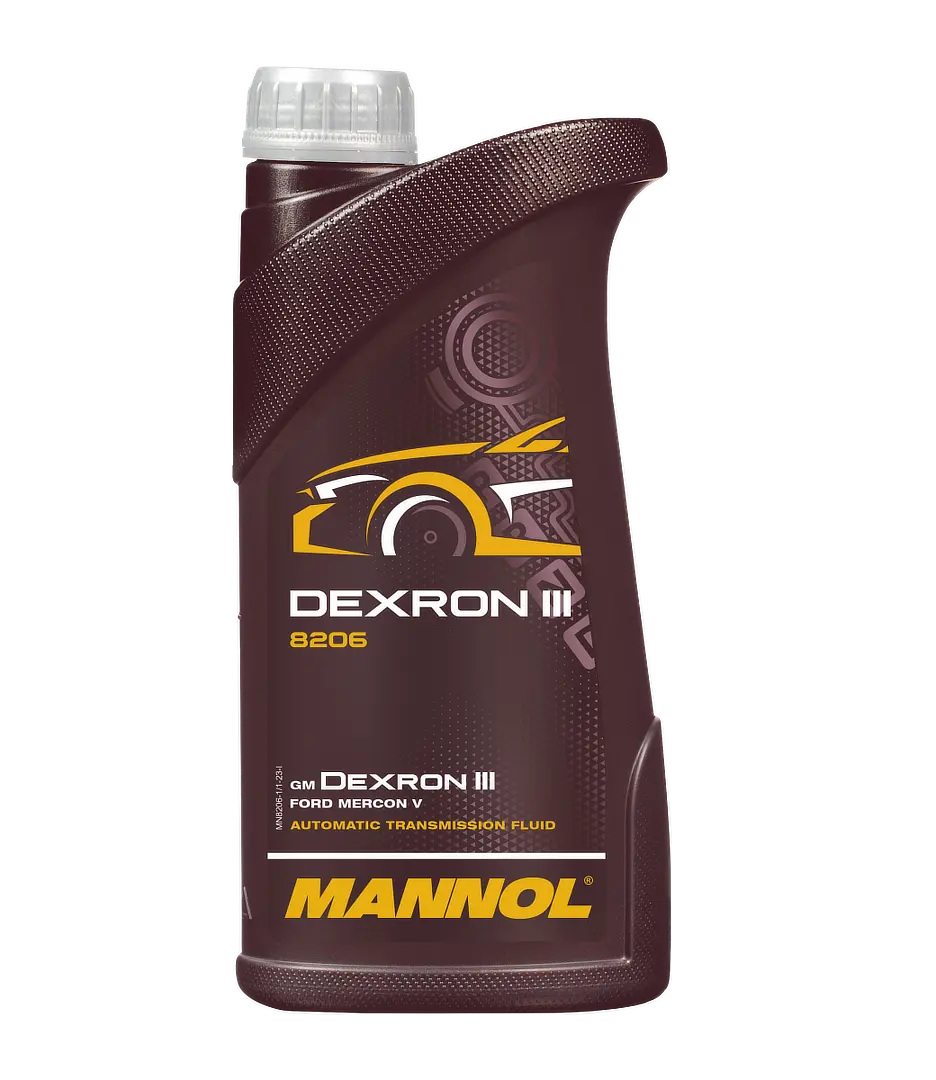
Inforca supplies MANNOL and PureGuard engine oils for light-vehicle, European, heavy-duty, fleet, and workshop applications.6 Some products have documented commercial packages, but exact size and availability vary by SKU.
Inforca asks shops and buyers to send the vehicle, engine, viscosity, required specification, current product, and service volume.7 The team can compare documented options and confirm current package sizes and availability.
SCT Lubricants is also in the active portfolio at brand level. Specific SCT products require a finalized catalog and current technical documents before recommendation.
Frequently asked questions about bulk oil quality
Is bottled oil better than bulk oil?
Not automatically. Compare the exact formulation, specification, documentation, and handling.
Is bulk oil recycled oil?
The word bulk describes delivery or packaging, not base-oil origin. Ask for the exact product and TDS.
Can a shop mix different oils in one tank?
A tank should contain the identified product. Product conversion requires a controlled procedure for residual oil, cleaning, labeling, and compatibility.
Does oil color prove quality?
No. Color cannot establish viscosity, specification, condition, or contamination.
Should the repair order identify the oil?
Yes. It should state enough information to determine what was installed, including product or brand, viscosity, and applicable service category.
Ask for the exact oil
Send Inforca the vehicle, engine, viscosity, specification, service volume, and desired package. Shops can also send their current order sheet so Inforca can identify documented MANNOL and PureGuard options and confirm availability.
Sources
Footnotes
-
American Petroleum Institute, Oil Categories, accessed September 10, 2026. ↩
-
American Petroleum Institute, Engine Oil Licensing & Certification System, accessed September 10, 2026. ↩
-
American Petroleum Institute, API 1525A, accessed September 10, 2026. ↩
-
American Petroleum Institute, Distributor and Installer Licensing Programs, accessed September 10, 2026. ↩
-
American Petroleum Institute, RP 1525, accessed September 10, 2026. ↩
-
Inforca International, Products, accessed September 10, 2026. ↩
-
Inforca International, MANNOL, accessed September 10, 2026. ↩
Related Inforca products
Check each product's data sheet against your exact specification before ordering.
Send us the application, specification, and volume — our team will confirm the right product and format.
Talk to Inforca