


Fleet & Equipment Applications
Lubricant Program for Municipal and Bus Fleets

A municipal fleet lubricant program should connect every unit and component to a required specification, verified product, service interval, sample point, dispensing method, and traceable record. This reduces wrong fills, duplicate inventory, emergency purchases, and avoidable downtime.
What belongs in the master fluid matrix?
For each unit, record:
- asset number and VIN;
- make, model, year, engine, and transmission;
- API, ACEA, and OEM requirements;
- SAE or ISO viscosity;
- service capacities;
- approved product and SKU;
- normal and severe interval;
- filter references;
- oil-analysis point;
- warranty or contract exceptions.
How should products be consolidated?
Document requirements first, then find products with verified overlapping coverage. Do not consolidate by viscosity or broad “fleet oil” positioning.
API FA-4 is not backward compatible with CK-4, even though both can appear in XW-30 grades.1 A mixed bus fleet may need controlled separation.
What controls should the storeroom use?
- Receive against exact product, batch, and quantity.
- Maintain current TDS and SDS files.
- Store containers covered, sealed, and labeled.
- Dedicate or clean pumps, hoses, and transfer containers.
- Code by product and fill point.
- Set minimum/maximum stock from actual consumption.
- Require authorization for substitutions.
- Separate used oil and investigate contamination.
API 1525A provides chain-of-custody practices for bulk engine oil from manufacture through installation.2
How are service intervals managed?
Start with the engine, transmission, and axle manufacturer. Adjust only through an authorized program using miles, hours, idle time, route, load, temperature, fuel, sump capacity, and analysis.
Transit buses can accumulate high engine hours at modest mileage. Record both.
What role does oil analysis play?
Analysis can trend viscosity, oxidation, soot, fuel dilution, coolant, water, and wear metals. It works only when samples come from consistent points at comparable intervals with complete unit and product data.
One abnormal result starts an investigation; it does not identify a failed component by itself.
Which Inforca product families can be screened?
Inforca publishes a portfolio of more than 650 SKUs across MANNOL, PureGuard, SCT Lubricants, and MATO.3 Current categories include MANNOL TS CK-4 engine oils, PureGuard PG206 heavy-duty oil, ATFs, ISO 32/46/68 hydraulic oils, tractor fluid, greases, and shop chemicals.
This supports a product-screening conversation. It does not prove a municipal contract, laboratory program, dedicated inventory, delivery schedule, or equipment package. Confirm scope before proposal.
What does a phased rollout look like?
Phase 1: baseline
Inventory units, oils, consumption, stock, failures, and purchasing events.
Phase 2: verification
Match requirements to current TDS documents and approvals.
Phase 3: pilot
Use one comparable unit family, controlled dispensing, and unchanged intervals.
Phase 4: deployment
Train technicians, label equipment, migrate inventory, and measure exceptions.
What should the fleet measure?
- wrong-fill incidents;
- lubrication-related downtime;
- oil consumption per unit;
- obsolete and slow stock;
- emergency orders;
- interval compliance;
- abnormal samples closed;
- spills and used-oil recovery.
Florida’s used-oil program regulates handling and promotes recycling.4
Frequently asked questions
Can one 15W-40 cover every bus?
Only if every engine accepts the exact product’s approvals and viscosity.
Should high-volume oil be bought in bulk?
Bulk can fit stable demand when receiving, storage, labeling, and dispensing are controlled.
Does oil analysis replace the OEM interval?
Not without an authorized extended-drain program.
Can equivalent brands be substituted?
Only after line-by-line specification and contract review.
Does Inforca provide a laboratory-analysis program?
The current materials do not verify one. Confirm service scope before including it in a bid.
Request a technical fleet matrix
Send Inforca the unit list, specifications, current products, consumption, shop locations, storage/dispensing equipment, procurement rules, and bid calendar. The team can identify documented product options and remaining validation gaps.
Sources
Footnotes
-
American Petroleum Institute, Oil Categories, accessed September 10, 2026. ↩
-
American Petroleum Institute, EOLCS Documents and API 1525A, accessed September 10, 2026. ↩
-
Inforca International, Products, accessed September 10, 2026. ↩
-
Florida Department of Environmental Protection, Used Oil Management Program, accessed September 10, 2026. ↩
Related Inforca products
Check each product's data sheet against your exact specification before ordering.
-
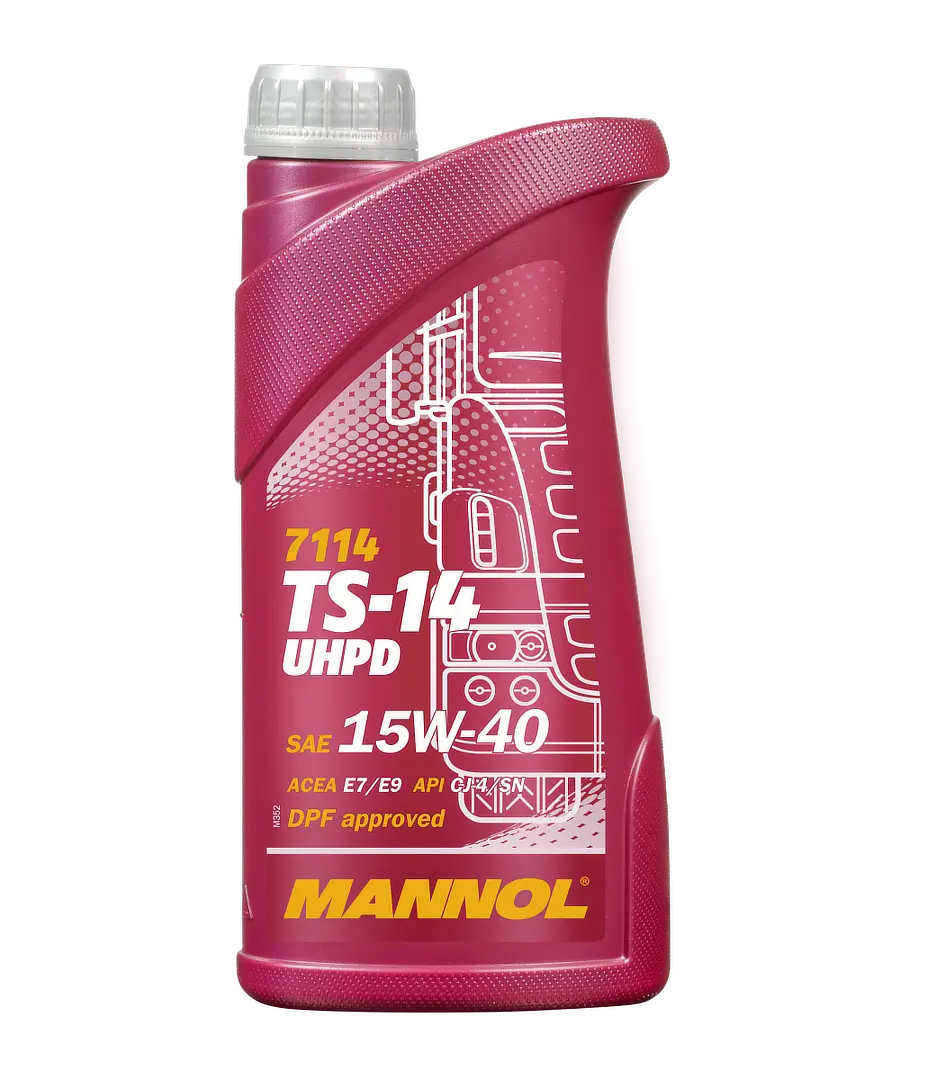 MANNOL
 TS-14 UHPD SAE 15W-40 API CK-4
Heavy-duty diesel engine oil
-
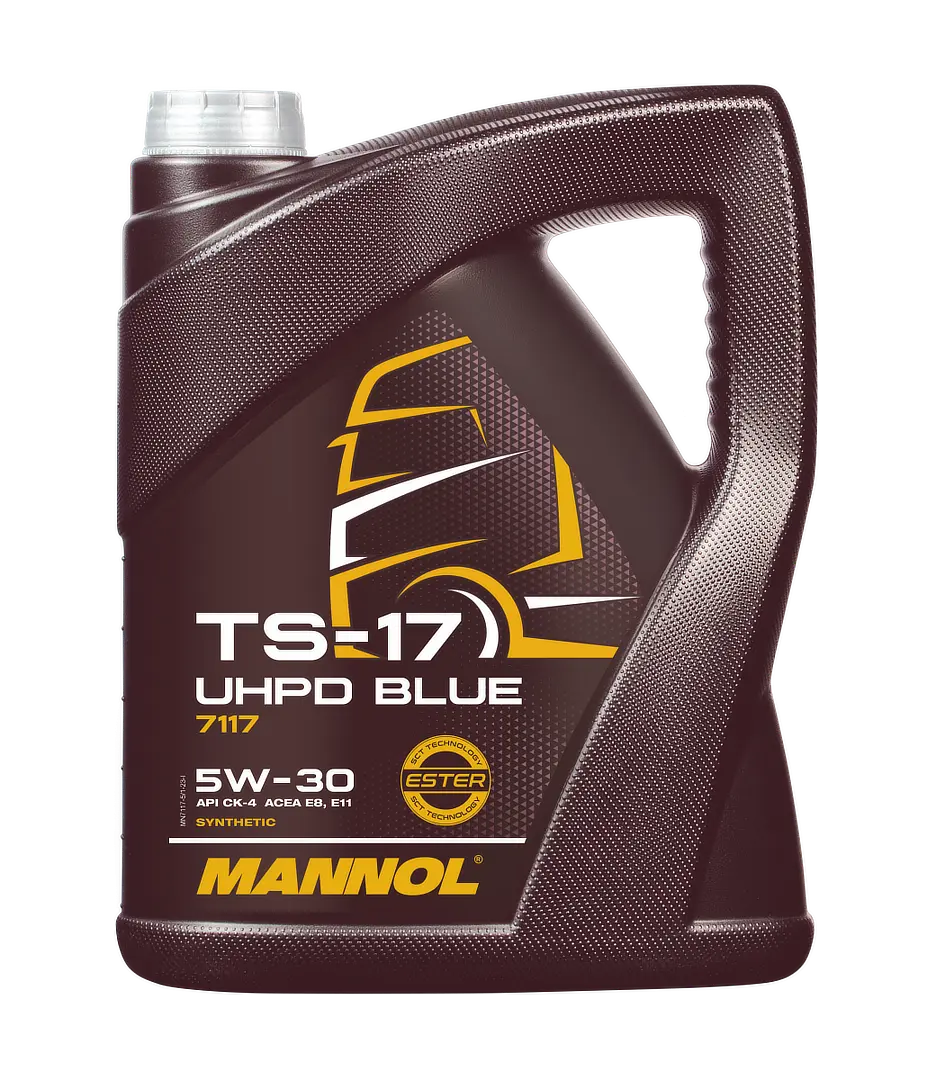 MANNOL
 TS-17 UHPD SAE 5W-30 Blue API CK-4
Heavy-duty diesel engine oil
-
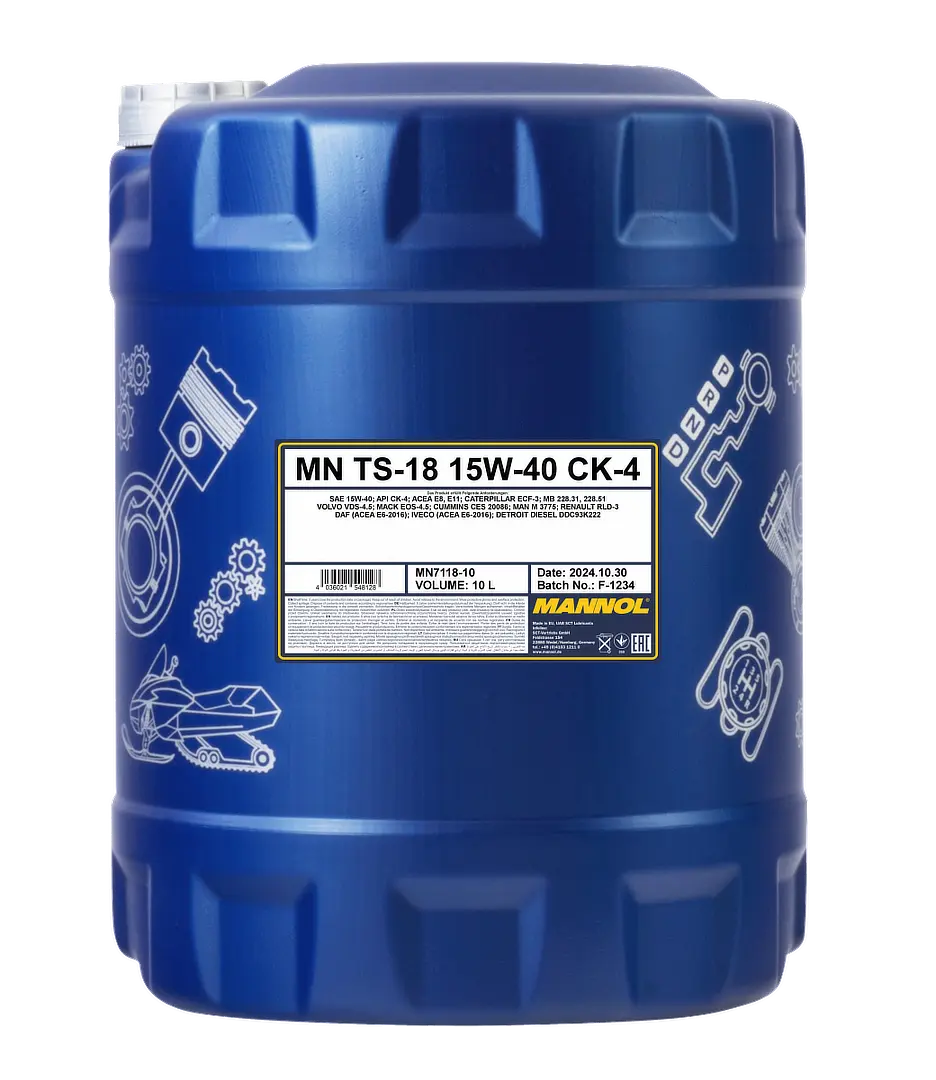 MANNOL
 TS-18 SAE 15W-40 API CK-4
Heavy-duty diesel engine oil
-
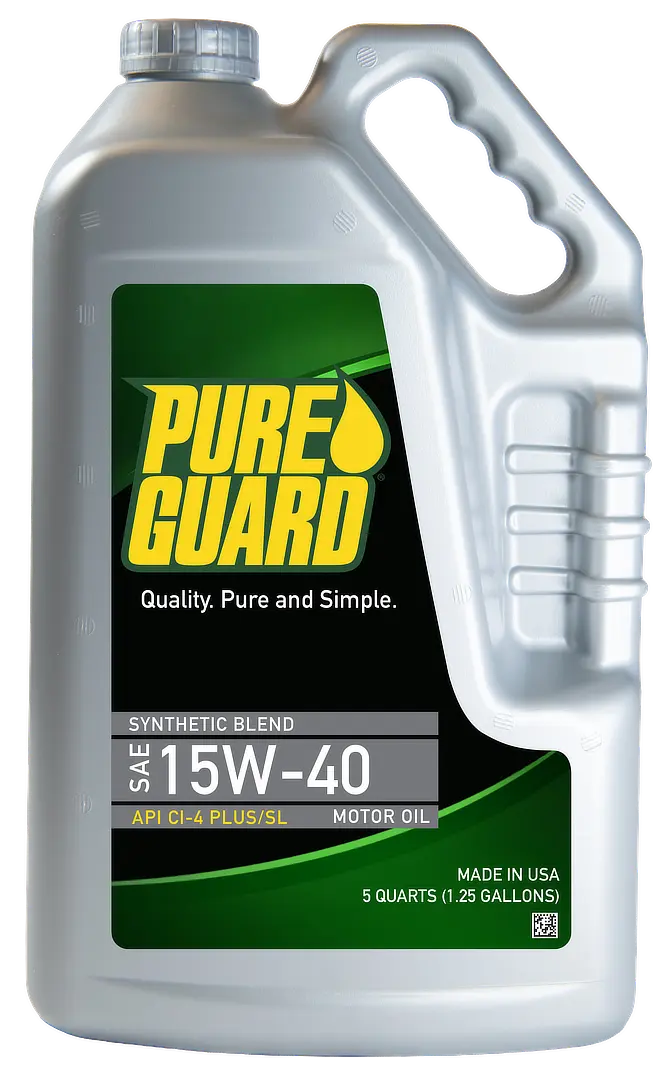 PureGuard
 Synthetic Blend Heavy-Duty SAE 15W-40
Heavy-duty diesel engine oil
Send us the application, specification, and volume — our team will confirm the right product and format.
Talk to Inforca