


Fleet & Equipment Applications
Oil for Refrigerated Transport Fleets in Florida
There is no single best oil for the complete refrigerated vehicle. The truck engine, reefer engine, and APU can have different API categories, viscosities, capacities, aftertreatment, and service intervals. Build the program by component.
Which systems need separate records?
| System | Requirement |
|---|---|
| Truck engine | API/ACEA/OEM, SAE, DPF/SCR, miles and hours |
| Reefer engine | Unit model/serial, API, SAE, aftertreatment, operating hours |
| APU | Its own manual, fill procedure, API and SAE |
| Refrigeration compressor | Dedicated compressor oil and refrigerant rules |
| Transmission and axles | Separate OEM ATF/gear-oil requirements |
Do not copy the tractor oil into the reefer by assumption.
Why are engine hours important?
The reefer can run while the truck is parked. Track reefer and APU hours separately from vehicle miles. Florida heat, dust, stop-and-go routes, long pulls, and regeneration events can influence service.
What can an equipment manual require?
One Carrier manual requires CJ-4 low-SAPS or better, synthetic 5W-40 oil for its listed refrigeration unit.1 Thermo King’s TriPac 3 instructions list CK-4 multigrade and require synthetic CK-4 for units with the optional aftertreatment device.2
These examples show why model-level lookup is necessary; they are not fleetwide rules.
Which Inforca products can be screened?
Inforca lists MANNOL TS-14 15W-40 CK-4, TS-17 5W-30 CK-4, TS-16 5W-40 CK-4, TS-18 15W-40 CK-4, and PureGuard PG206 15W-40 CK-4/SN.3
A shared CK-4 category is insufficient if the reefer requires synthetic 5W-40 or a specific OEM approval. Verify the current TDS.
How should the program operate?
- Inventory truck, reefer, and APU model/serial numbers.
- Record miles and hours independently.
- Assign one verified SKU per component.
- Label fill points and dispensing equipment.
- Schedule filters and drains separately.
- Trend consumption, alarms, regenerations, and analysis.
- Set critical stock from actual route consumption.
Frequently asked questions
Can 15W-40 be used in a reefer unit?
Only if its manual permits it. Some units require synthetic 5W-40.
Does CK-4 replace CJ-4?
API says CK-4 exceeds CJ-4, but viscosity and OEM requirements still apply.4
Does Florida heat require thicker oil?
Not automatically; follow the unit’s viscosity chart.
Is reefer service based on truck mileage?
Reefer engines are commonly tracked by operating hours and calendar time.
Can one product serve truck and APU?
Only if both documented requirements match.
Send all engine model and serial data
Send Inforca the truck engine, reefer, and APU models/serials, required specifications, viscosities, hours, capacities, current products, monthly volume, and package formats.
Sources
Footnotes
-
Carrier Transicold, Refrigeration Unit Manual 62-11832, accessed September 10, 2026. ↩
-
Thermo King, TriPac 3 Installation Manual, accessed September 10, 2026. ↩
-
Inforca International, Products, accessed September 10, 2026. ↩
-
American Petroleum Institute, Oil Categories, accessed September 10, 2026. ↩
Related Inforca products
Check each product's data sheet against your exact specification before ordering.
-
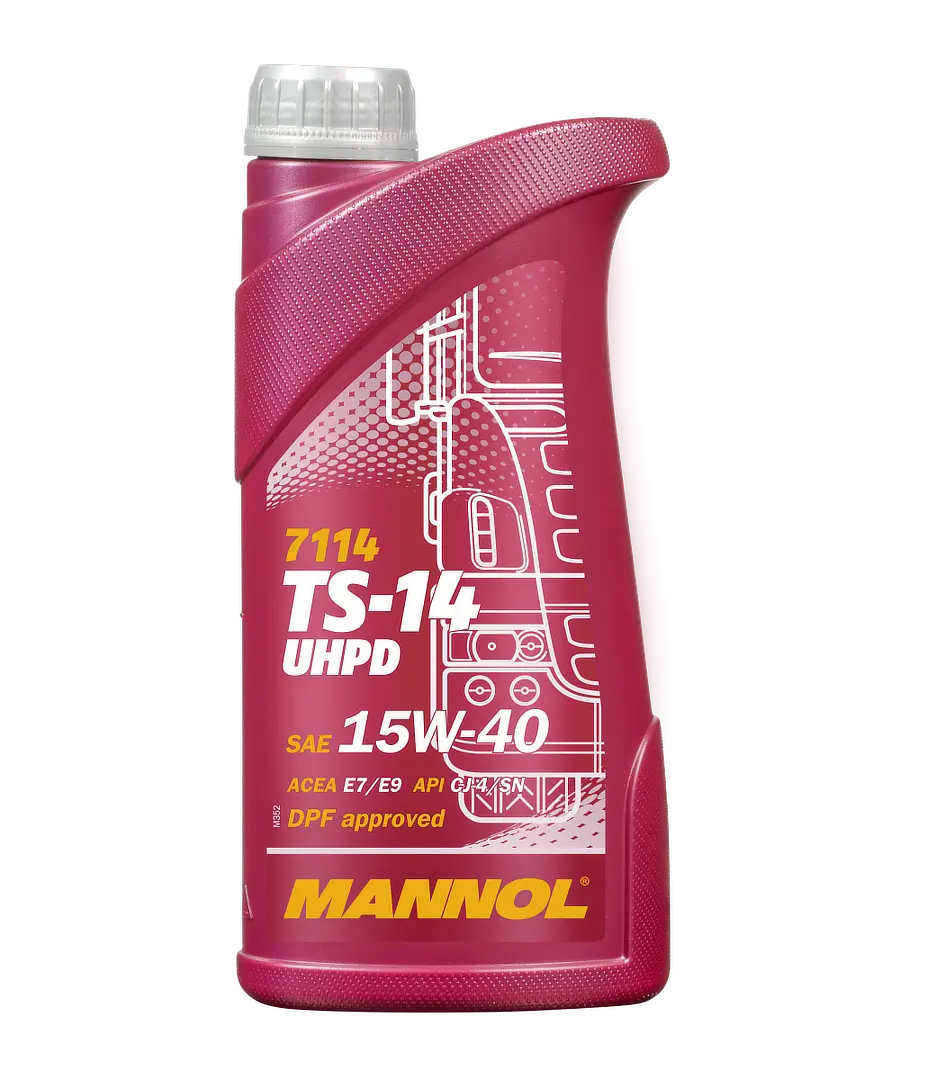 MANNOL
 TS-14 UHPD SAE 15W-40 API CK-4
Heavy-duty diesel engine oil
-
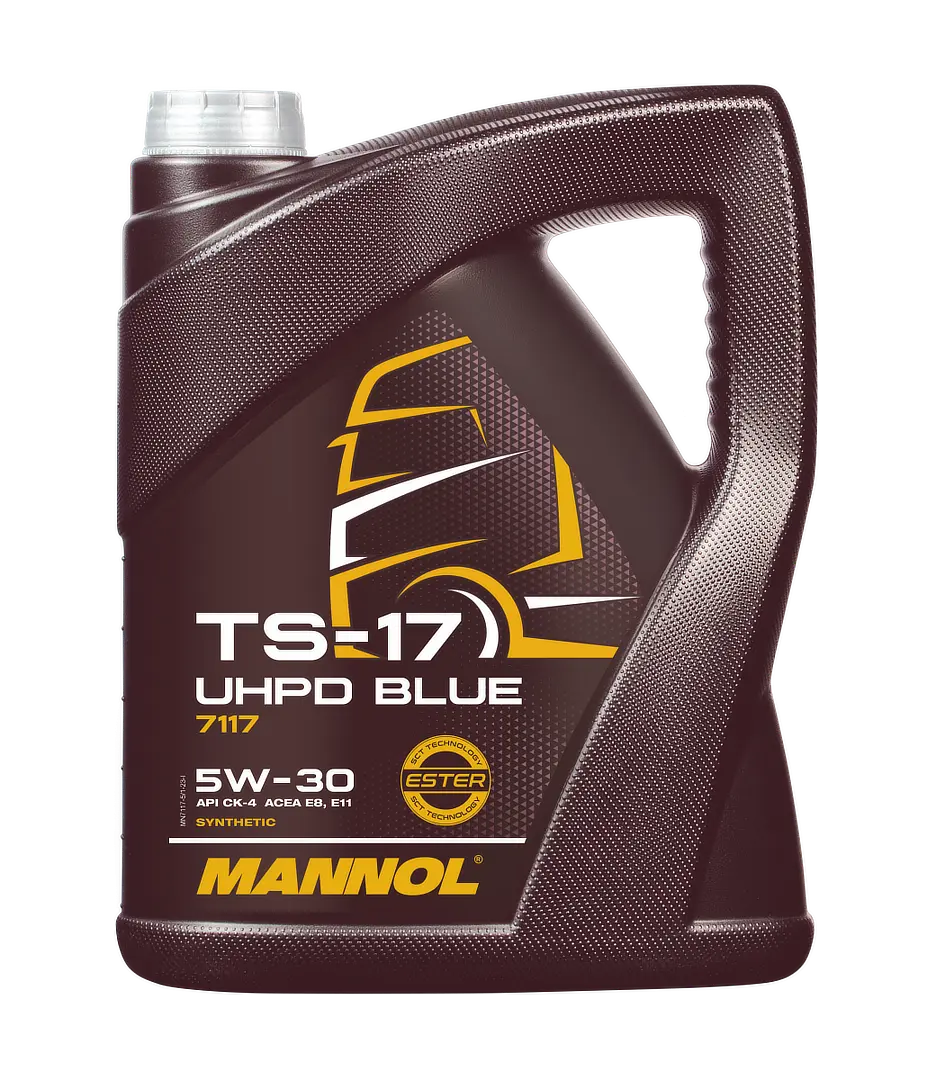 MANNOL
 TS-17 UHPD SAE 5W-30 Blue API CK-4
Heavy-duty diesel engine oil
-
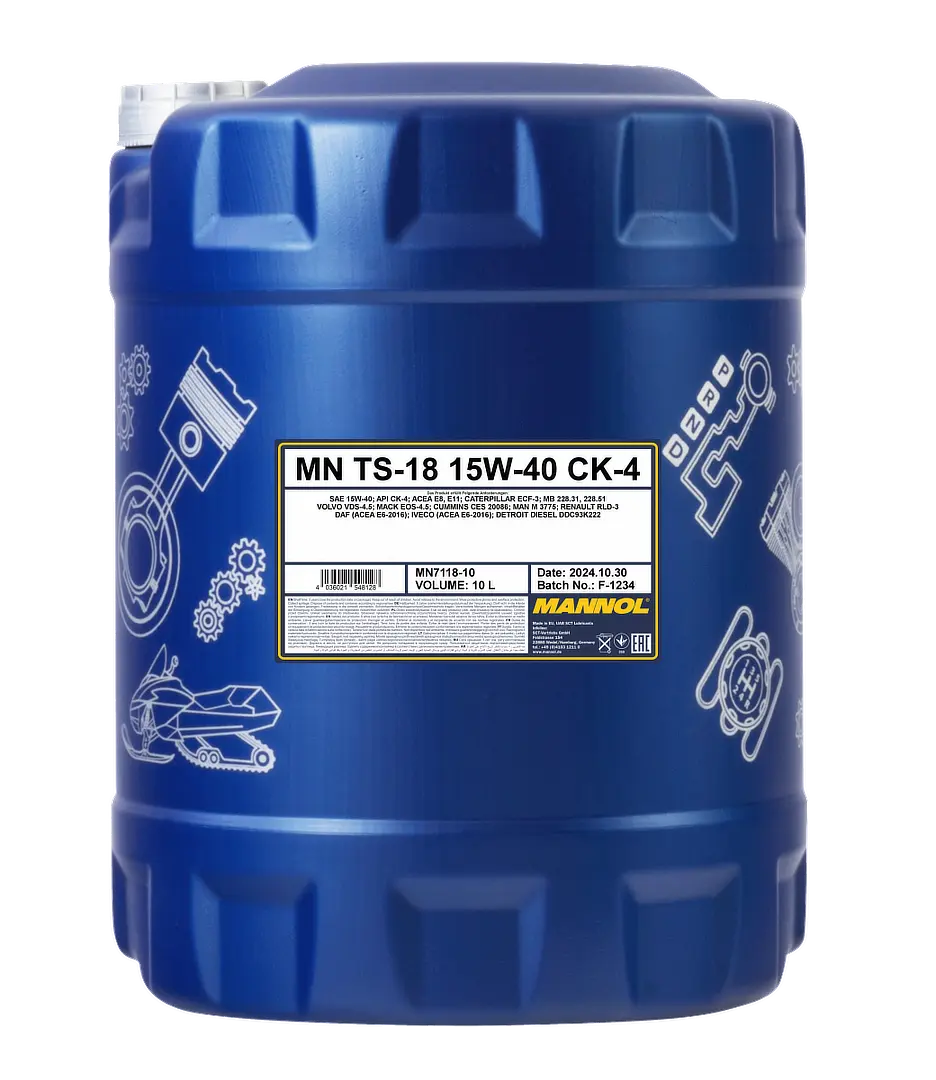 MANNOL
 TS-18 SAE 15W-40 API CK-4
Heavy-duty diesel engine oil
-
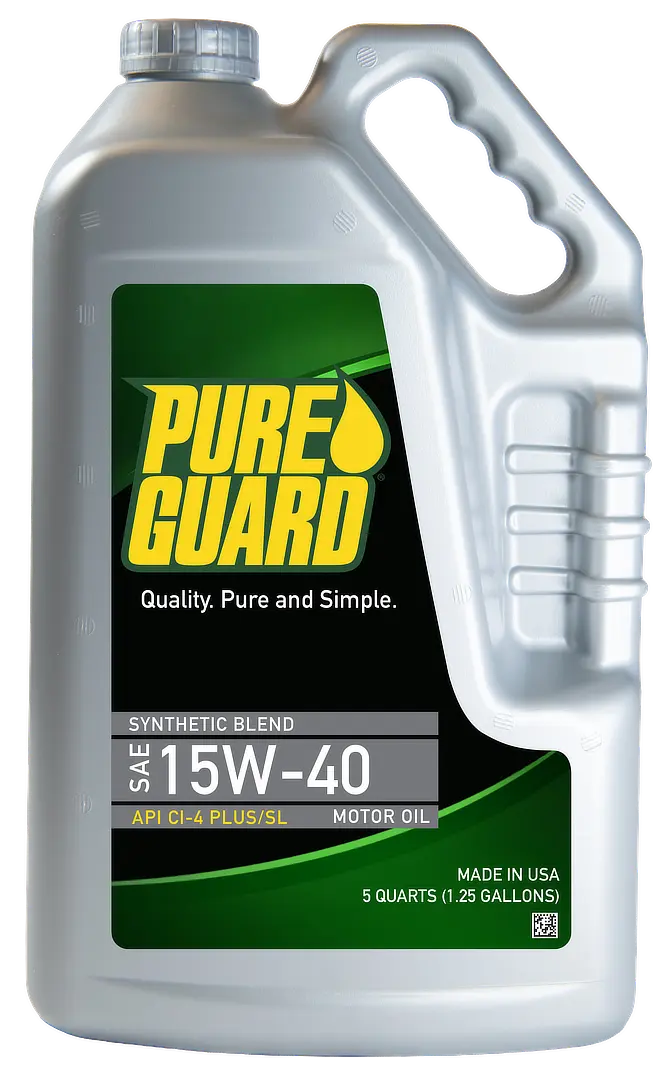 PureGuard
 Synthetic Blend Heavy-Duty SAE 15W-40
Heavy-duty diesel engine oil
Send us the application, specification, and volume — our team will confirm the right product and format.
Talk to Inforca