


What Does Transmission Fluid Do?
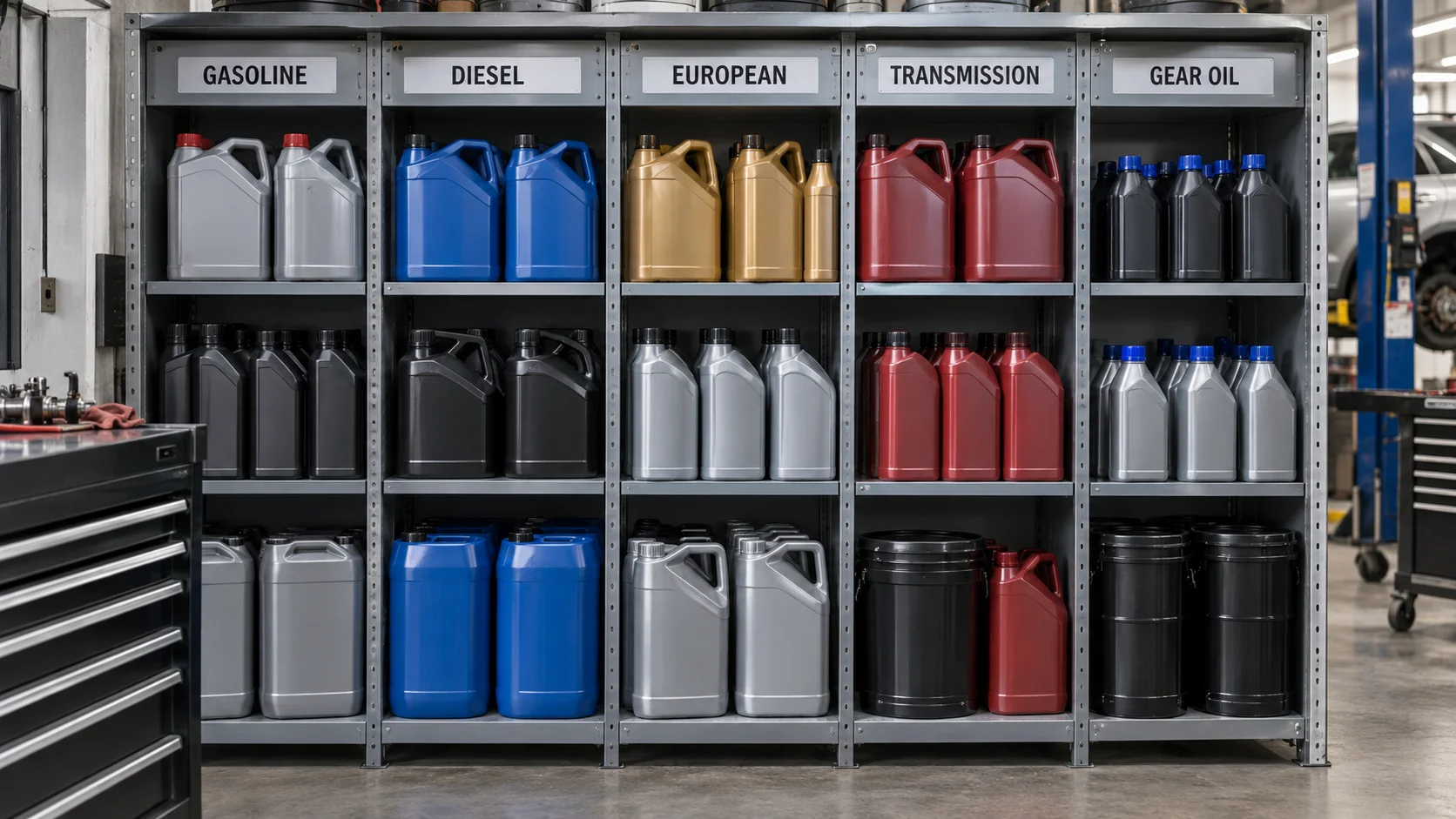
Transmission fluid transfers power, operates hydraulic controls, manages clutch friction, lubricates gears and bearings, carries heat, and helps protect internal parts. The exact jobs depend on the transmission design, which is why the vehicle maker’s fluid specification matters more than a bottle labeled only “universal.”
In a conventional automatic transmission, one fluid may perform all of those jobs at once. A continuously variable transmission (CVT), dual-clutch transmission (DCT), manual gearbox, or heavy-duty powershift unit can require a different fluid with different viscosity and friction behavior.
Start with the year, make, model, transmission type, and required specification. Do not select transmission fluid by color, brand familiarity, or viscosity alone.
What are the main jobs of automatic transmission fluid?
Automatic transmission fluid, commonly called ATF, performs six main functions inside a conventional automatic transmission.
| Function | What the fluid does | Why it matters |
|---|---|---|
| Transfers power | Acts as the working fluid inside the torque converter | Allows engine torque to reach the transmission input |
| Operates hydraulics | Carries pressure through pumps, valves, passages, and actuators | Applies clutches and controls gear changes |
| Controls friction | Provides calibrated friction behavior at clutch plates, bands, and lock-up surfaces | Supports smooth, consistent engagement without uncontrolled slip or harsh grab |
| Lubricates | Forms a film between gears, bearings, bushings, and other moving parts | Reduces friction and wear |
| Carries heat | Moves heat toward the transmission case or cooler | Helps control operating temperature |
| Protects and cleans | Uses additives to resist oxidation, corrosion, foam, and deposit formation | Helps the fluid and components remain functional over the intended service period |
ZF identifies ATF as a lubricant for bearings and gears, a hydraulic working medium, a friction-control medium, and the working fluid for the torque converter.1 Mobil describes the same core functions and adds heat transfer from the transmission to the case or oil cooler.2
How does transmission fluid transfer engine power?
In an automatic transmission with a torque converter, the fluid transfers energy between rotating elements before mechanical lock-up occurs. The engine turns the converter’s pump, moving fluid that drives the turbine connected to the transmission.
The torque converter is not present in every transmission design. CVTs, DCTs, automated manuals, and some hybrid transmissions use different hardware, so the fluid’s exact power-transfer role varies.
How does transmission fluid control gear changes?
ATF carries hydraulic pressure that moves valves and applies internal clutches or bands. Modern transmissions may command the shift electronically, but hydraulic fluid still performs the physical work in many designs.
Fluid viscosity affects how quickly pressure builds and moves through small passages. Friction characteristics affect how clutch surfaces engage. A fluid that is merely red or labeled ATF may still have the wrong viscosity or friction profile for the unit.
Why are friction characteristics important?
Transmission fluid must create controlled friction, not eliminate all friction. Wet clutches and lock-up surfaces need a specific relationship between slip and engagement to shift correctly.
ZF describes modern transmission oil as a design element developed for the functions and materials of a particular transmission. Its guidance warns that multi-application fluids can involve compromises and recommends using the fluid specified for the unit.3 Allison likewise ties approved-fluid use to shift quality, seal and friction behavior, performance, and durability in its transmissions.4
This is why two fluids with similar viscosity can behave differently in service. Their additive systems may produce different friction response, oxidation resistance, seal compatibility, or foam control.
How does transmission fluid lubricate and cool the unit?
Transmission fluid forms a lubricating film between loaded components and carries heat away from friction surfaces. It also moves wear material and deposits toward filtration or collection areas, depending on the transmission design.
Heat accelerates fluid oxidation and can change viscosity and friction behavior. Low fluid level, restricted cooling, heavy loads, repeated stop-and-go operation, or an internal fault can raise temperature. Fresh fluid cannot repair a mechanical problem or correct a cooling-system defect.
Does every transmission use the same kind of fluid?
No. Transmission design determines the fluid family and required specification.
| Transmission or component | Common fluid family | Selection warning |
|---|---|---|
| Conventional automatic | ATF matched to an OEM specification such as a Dexron, Mercon, JWS, SP, or manufacturer-specific requirement | Specifications are not automatically interchangeable |
| Continuously variable transmission | CVT fluid matched to the exact CVT design | Conventional ATF is not a default substitute |
| Dual-clutch transmission | DCT fluid or another transmission-specific lubricant | Wet- and dry-clutch designs have different service needs |
| Manual transmission | Manual transmission fluid, gear oil, or ATF as specified | The word “manual” does not identify the lubricant |
| Heavy-duty powershift transmission | Dedicated powershift or transmission fluid | Equipment approvals and duty cycle matter |
| Differential or final drive | Gear oil matched to viscosity and API/OEM requirement | Gear oil is not automatically suitable for an automatic transmission |
An OEM manual may specify different fluids even within the same vehicle family. Ford states that using a fluid that does not meet the defined transmission specification can reduce performance or cause damage outside warranty coverage.5 A GM owner’s manual, for example, lists different fluids for the automatic transmission, manual transmission, transfer case, and rear axle in the same vehicle platform.6
What does “universal” or “multi-vehicle” ATF mean?
A universal or multi-vehicle ATF is formulated to cover several stated applications, but the label does not mean it fits every transmission. The product data sheet must name the applicable recommendation, approval, or performance coverage, and that coverage must match the vehicle requirement.
Use three checks:
- Identify the exact transmission or OEM fluid specification.
- Read the current product data sheet, not only the front label.
- Confirm whether the manufacturer lists a formal approval, a licensed specification, or a product-use recommendation.
Those terms are not interchangeable. When warranty or critical equipment is involved, confirm the acceptable evidence with the vehicle or transmission manufacturer.
Which Inforca products relate to these transmission-fluid functions?
Inforca’s current transmission portfolio includes application-specific and multi-vehicle options from MANNOL and PureGuard.7 Product selection still begins with the exact transmission requirement.
| Product | Documented positioning | Published presentations in the supplied product file |
|---|---|---|
| MANNOL ATF CVT, MN8216 | Synthetic fluid for CVTs using a rigid articulated chain or steel pull chain; the manufacturer publishes a detailed recommendation list | 1 L and 20 L |
| MANNOL Automatic Plus ATF Dexron III, MN8206 | Synthetic-based ATF recommended for applications requiring Dexron III H/G/F, Dexron II E, or Ford Mercon V quality fluid | 1 L, 4 L, and 208 L |
| MANNOL ATF Multivehicle JWS 3309, MN8218 | Synthetic multi-vehicle ATF developed around Aisin Warner requirements, including JWS 3309 in its recommendation list | 1 L and 20 L |
| PureGuard Multi-Purpose ATF, PG504 | ATF for electronically controlled transmissions; its data sheet lists older GM Dexron families, Ford Mercon, and Allison C-4 performance coverage | Confirm with Inforca |
| PureGuard Full Synthetic Global ATF, PG505 | Full-synthetic multi-vehicle ATF positioned for North American, European, and Asian passenger and commercial applications | Confirm with Inforca |
| PureGuard SynGuard Full Synthetic SAE 50, PG506 | Full-synthetic fluid for high-torque heavy-duty powershift transmissions | Confirm with Inforca |
These descriptions summarize manufacturer-supplied product documents in Inforca’s current knowledge library. They are not a vehicle-specific recommendation. Confirm the current technical data sheet, the OEM requirement, and availability before service.
What information is needed to choose the correct transmission fluid?
Collect the transmission requirement before comparing products. The vehicle model alone may not be enough because manufacturers can use multiple transmissions in the same year and model.
Send or record:
- year, make, model, and engine;
- VIN when the transmission cannot be identified otherwise;
- transmission model or code;
- automatic, CVT, DCT, manual, or powershift design;
- exact fluid specification from the owner’s or service manual;
- current fluid and service history, if known;
- operating conditions and duty cycle;
- requested package size and monthly volume.
Do not use fluid color as the deciding factor. Dyes help identification, but color does not prove specification, condition, or compatibility.
Can transmission fluid fix slipping, delayed shifts, or noise?
Transmission fluid service may correct a fluid-level or fluid-condition issue, but it cannot be assumed to fix mechanical, electrical, hydraulic, or cooling faults. Slipping, delayed engagement, harsh shifts, noise, leaks, warning lights, or burnt odor require diagnosis.
Some transmissions have no dipstick and require a temperature-controlled service procedure. Manufacturer instructions may also require scan-tool data, specific fill equipment, or a defined fluid-level sequence. Do not apply a generic top-off or flush procedure to every vehicle.
Frequently asked questions about what transmission fluid does
Is transmission fluid the same as engine oil?
No. Engine oil lubricates and protects the engine. ATF may also lubricate, but it must additionally function as a hydraulic medium, friction-control fluid, heat-transfer medium, and, in torque-converter automatics, a power-transfer fluid. Their specifications and additive systems serve different hardware.
Does transmission fluid make the vehicle shift?
In many automatic transmissions, yes. The control system commands a shift, and hydraulic pressure in the ATF applies the relevant clutch elements. Other transmission designs use different actuation systems.
Can I use regular ATF in a CVT?
Not unless the CVT manufacturer explicitly specifies that exact fluid. CVT fluids are formulated around the belt or chain, pulley, hydraulic, and friction requirements of the particular design.
Are Dexron III and Dexron VI the same?
No. They represent different performance and viscosity requirements. Some fluid manufacturers recommend a Dexron VI product for selected older Dexron applications, but that is product-specific coverage, not proof that every Dexron VI fluid fits every older transmission.
Is transmission fluid lifetime fluid?
“Lifetime” is a manufacturer- and application-specific service description, not a universal rule. Follow the current maintenance schedule and severe-service conditions for the exact vehicle or equipment. ZF states that transmission oil experiences normal wear and publishes unit-specific lubricant lists and service guidance.3
Confirm the transmission before choosing the fluid
Send Inforca the year, make, model, transmission type or code, required specification, current fluid, monthly volume, and preferred pack size. Inforca can compare documented MANNOL and PureGuard coverage and confirm the current product and availability for the application.
Sources
Footnotes
-
ZF Aftermarket, In Brief: Transmission Oils, accessed September 10, 2026. ↩
-
Mobil, Mobil ATF 200 Product Description, accessed September 10, 2026. ↩
-
ZF Aftermarket, FAQ About Oils, accessed September 10, 2026. ↩ ↩2
-
Allison Transmission, Allison Approved Fluids, accessed September 10, 2026. ↩
-
Ford Motor Company, Owner Information: Transmission Fluid Capacity and Specification, accessed September 10, 2026. ↩
-
General Motors, 2016 Cadillac ATS/ATS-V Owner Manual, accessed September 10, 2026. ↩
-
Inforca International, Transmission Fluid Solutions, accessed September 10, 2026. ↩
Related Inforca products
Check each product's data sheet against your exact specification before ordering.
-
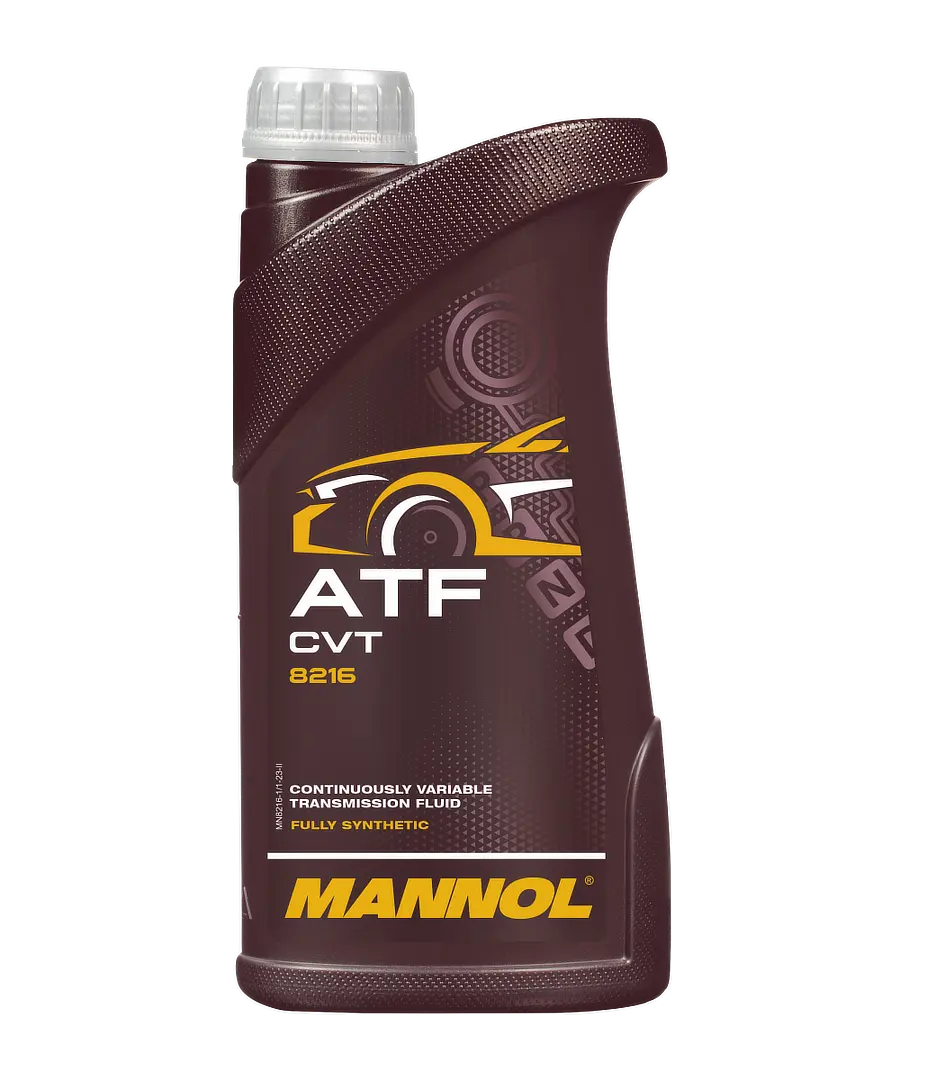 MANNOL
 ATF CVT
Automatic transmission fluid
-
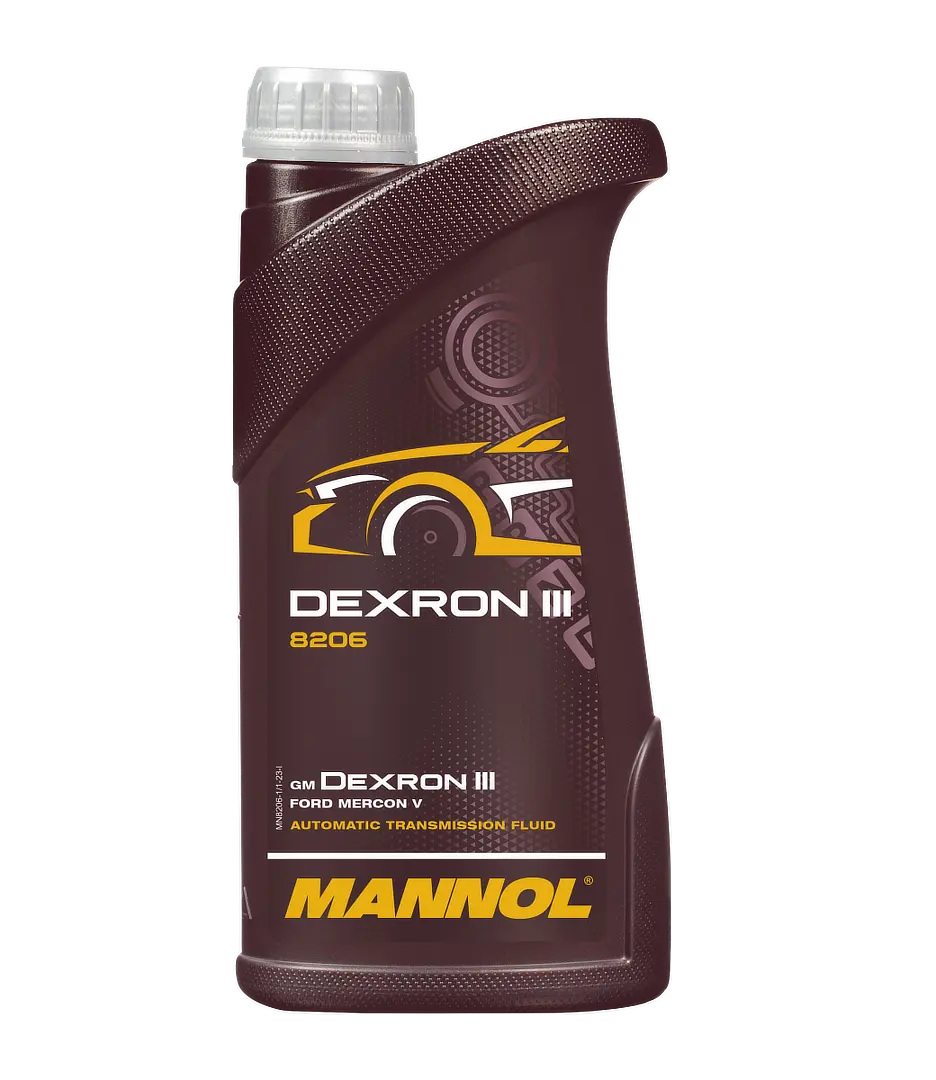 MANNOL
 Automatic Plus ATF Dexron III
Automatic transmission fluid
-
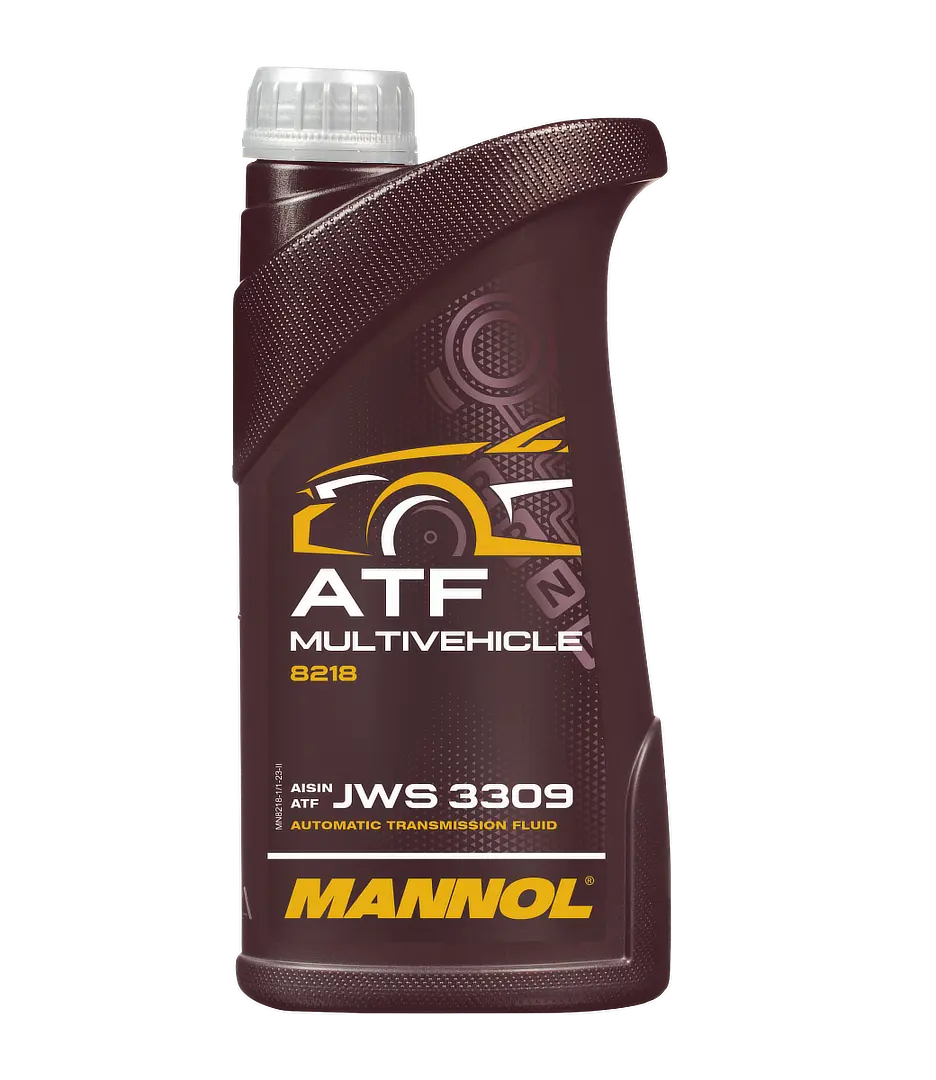 MANNOL
 ATF Multivehicle JWS 3309
Automatic transmission fluid
-
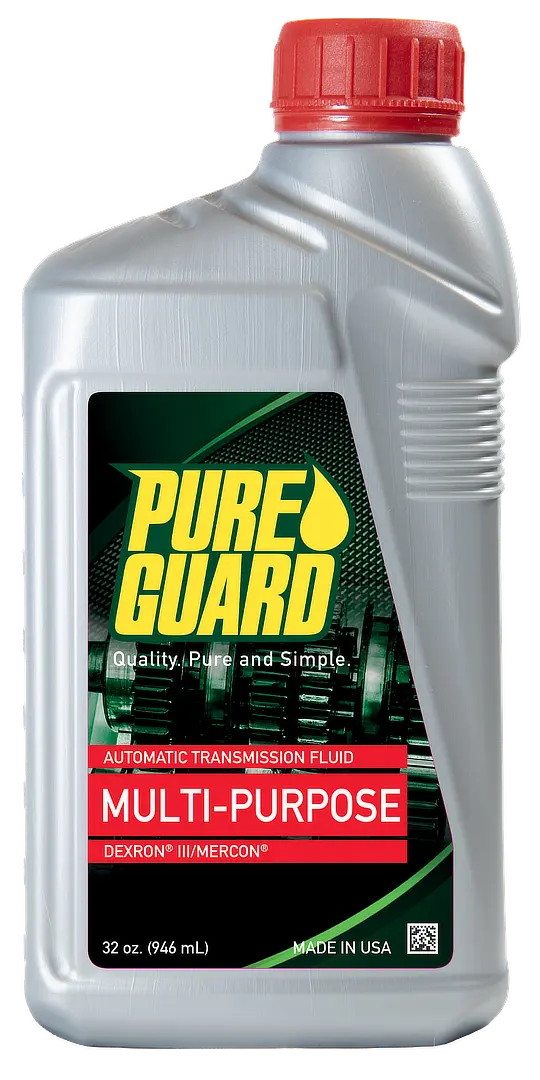 PureGuard
 Multi-Purpose ATF
Automatic transmission fluid
-
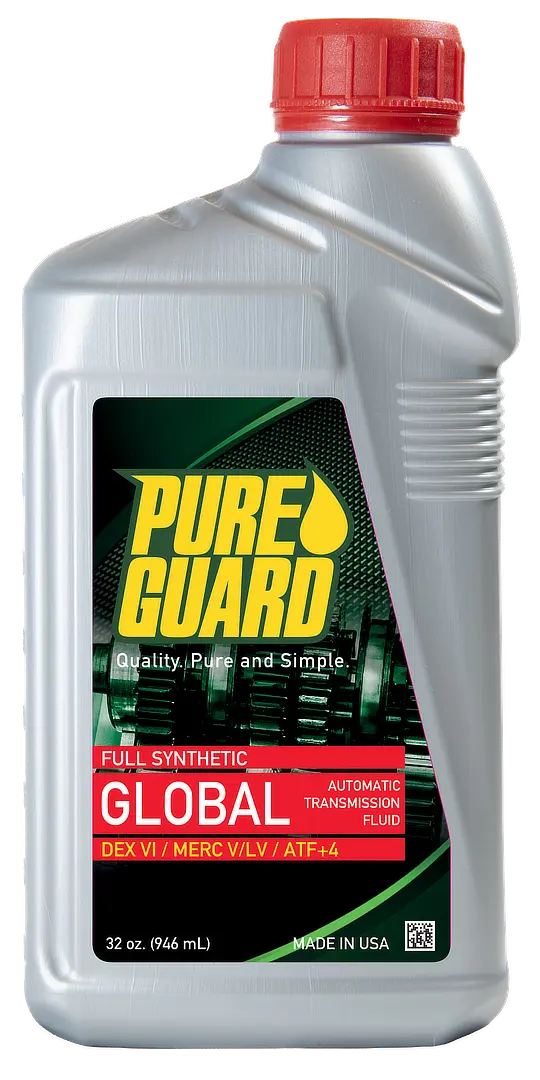 PureGuard
 Full Synthetic Global ATF
Automatic transmission fluid
-
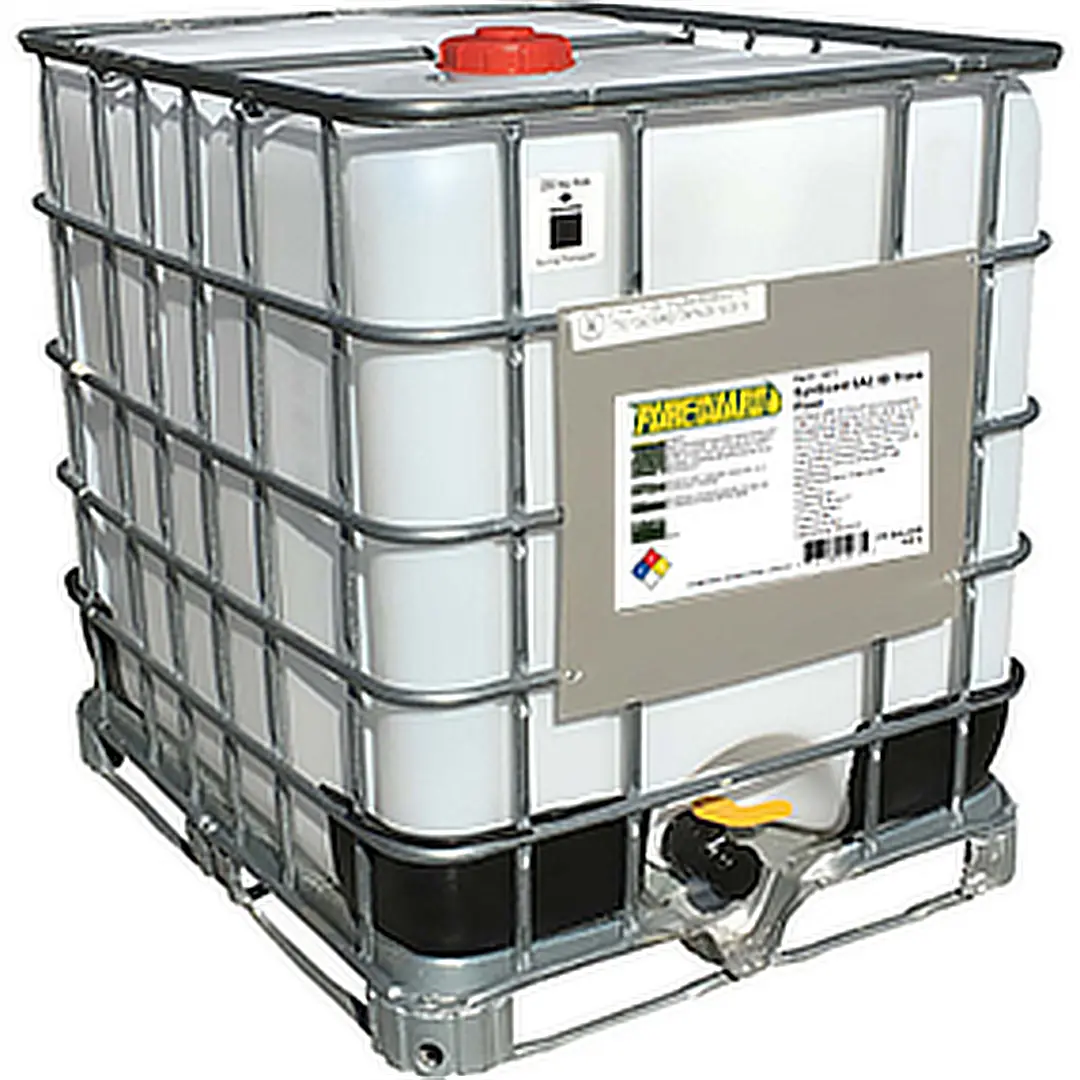 PureGuard
 SynGuard Full Synthetic SAE 50
Heavy-duty powershift transmission fluid
Send us the application, specification, and volume — our team will confirm the right product and format.
Talk to Inforca