


Universal vs. OEM-Specific ATF
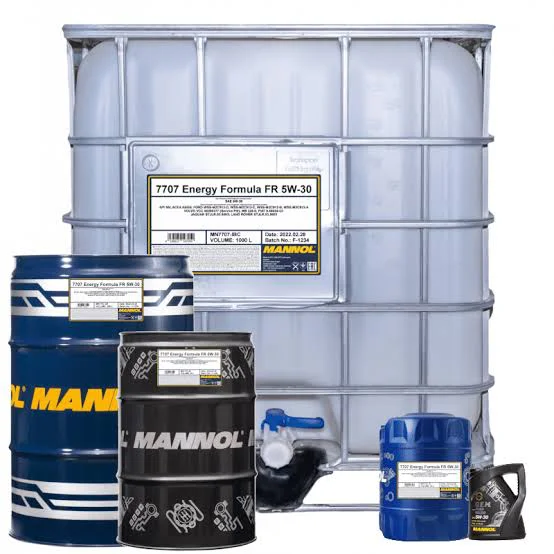
A universal or multi-vehicle ATF is formulated to cover multiple specifications or applications listed by its manufacturer. An OEM-specific ATF targets one specification, transmission family, or narrower group. Neither label is enough to select the fluid: the exact product’s documented coverage must match the exact transmission requirement.
“Universal” never means every automatic transmission, CVT, DCT, or powershift unit.
What is universal ATF?
Universal ATF — often called multi-vehicle ATF — combines viscosity and friction characteristics intended to satisfy several stated applications. It can help shops reduce the number of slow-moving SKUs when the coverage is properly documented.
The benefit is operational, not automatic technical superiority. A broad product can be a sound choice for every application its current data sheet truly covers and a poor choice outside that list.
What is OEM-specific transmission fluid?
An OEM-specific fluid is developed for a defined manufacturer standard or transmission family. It may be sold by the vehicle maker, transmission maker, or an independent lubricant company.
Narrow positioning can make application control simpler, but “OEM-specific” does not necessarily mean dealer-branded. The evidence may be an approval, license, part-number cross-reference, or fluid-maker recommendation. Determine which form the transmission manufacturer requires.
How do the two approaches compare?
| Factor | Universal / multi-vehicle ATF | OEM-specific ATF |
|---|---|---|
| Coverage | Multiple listed applications | One or a narrow set of applications |
| Inventory | May reduce SKU count | May increase SKU count |
| Selection risk | High if staff treats “universal” literally | High if similar OEM names are confused |
| Evidence needed | Full current coverage list and claim type | Exact OEM specification, part number, and approval status |
| Best use | Verified overlapping fleet or shop population | Units requiring narrow or explicit fluid coverage |
The right strategy may use both: a documented multi-vehicle core plus dedicated fluids for exceptions.
Why can’t viscosity alone decide?
ATF must deliver a calibrated relationship among viscosity, hydraulic response, clutch friction, oxidation resistance, aeration control, and seal compatibility. Two low-viscosity ATFs can still have different friction behavior and approvals.
ZF describes transmission oil as a design element and advises using the oil specified for the transmission.1 Ford similarly warns that using a fluid outside the defined specification can reduce performance or damage the component.2
What does a long compatibility list prove?
It proves only what the document actually claims. Read the heading and qualifiers.
- Approved/licensed: formal status granted under the referenced program.
- Meets: a performance claim made by the lubricant supplier.
- Recommended for use: the lubricant supplier’s application recommendation.
- Suitable for: a broader suitability statement whose evidence should be reviewed.
Do not convert a recommendation into an OEM approval in an article, invoice, catalog, or shop database.
When is a universal ATF a strong option?
It can work well when:
- every transmission in scope appears on the current data sheet;
- the required viscosity and friction profile are covered;
- warranty or contract terms accept the stated evidence;
- the shop has a controlled application matrix;
- fluid identity is protected from cross-contamination;
- exceptions have dedicated SKUs.
It is a weak choice when the transmission cannot be identified, the data sheet uses vague language, or a critical approval cannot be verified.
When should a dedicated fluid be retained?
Keep a dedicated product when:
- the OEM specifies a unique or narrow standard;
- the transmission maker publishes a short approved-fluid list;
- a CVT, DCT, hybrid, or specialized powershift unit requires its own fluid;
- warranty, fleet contract, or customer policy requires formal approval;
- the multi-vehicle product omits the exact application;
- service history or contamination risk calls for strict separation.
How should a shop build an ATF matrix?
Create one row per transmission family, not just per vehicle brand.
- Vehicle year, make, model, and engine.
- Transmission code or model.
- OEM fluid specification and part number.
- Service procedure and temperature-dependent level check.
- Approved or documented alternative product.
- Claim type and data-sheet date.
- Fill quantity and expected service volume.
- Dedicated equipment or contamination controls.
Review the matrix whenever the product sheet, OEM service information, or shop vehicle mix changes.
How do current Inforca ATFs fit this framework?
Inforca’s active portfolio includes both broad and application-focused products.3
| Product | Portfolio role | Required check |
|---|---|---|
| PureGuard Full Synthetic Global ATF, PG505 | Broad multi-vehicle coverage | Match the current coverage table to the transmission |
| PureGuard Multi-Purpose ATF, PG504 | Older Dexron/Mercon-style and other listed applications | Confirm the exact required standard |
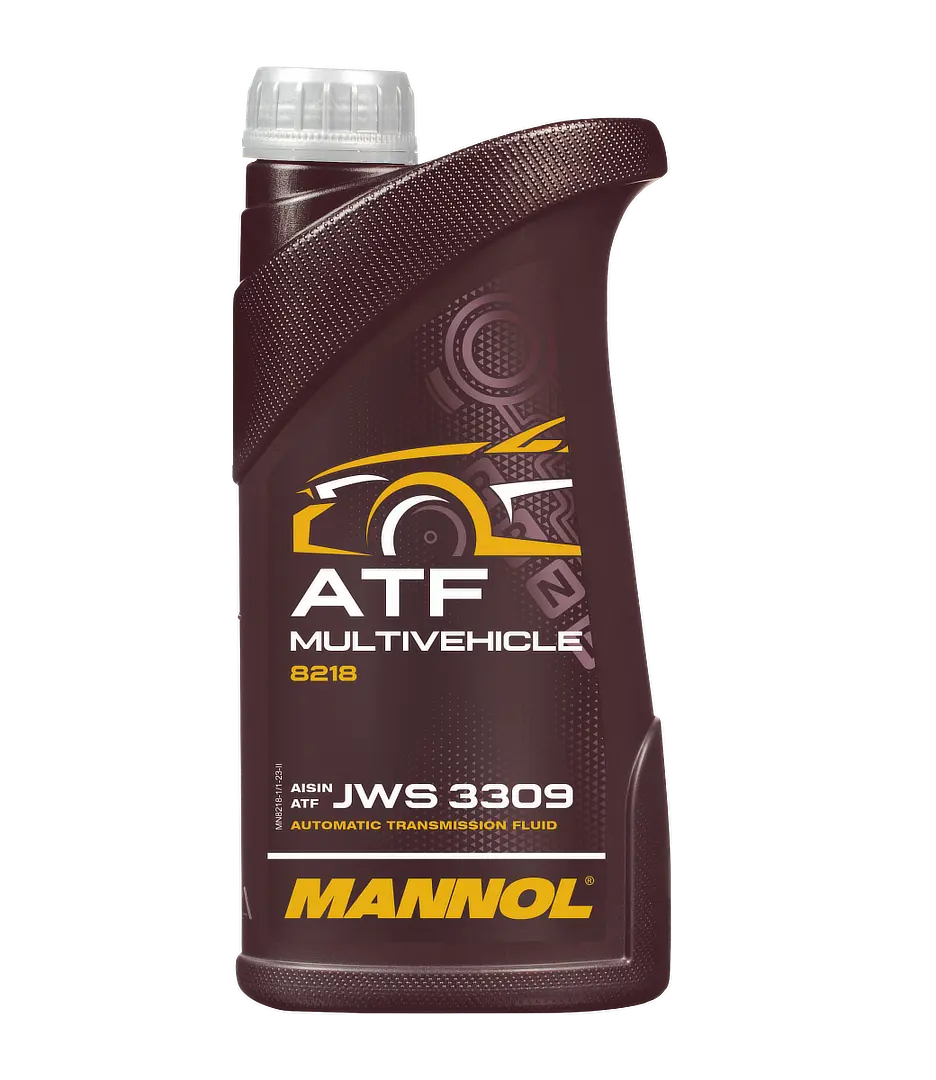
| MANNOL ATF Multivehicle JWS 3309, MN8218 | Multi-vehicle product centered on listed Aisin Warner and related applications | Verify that the exact application appears |
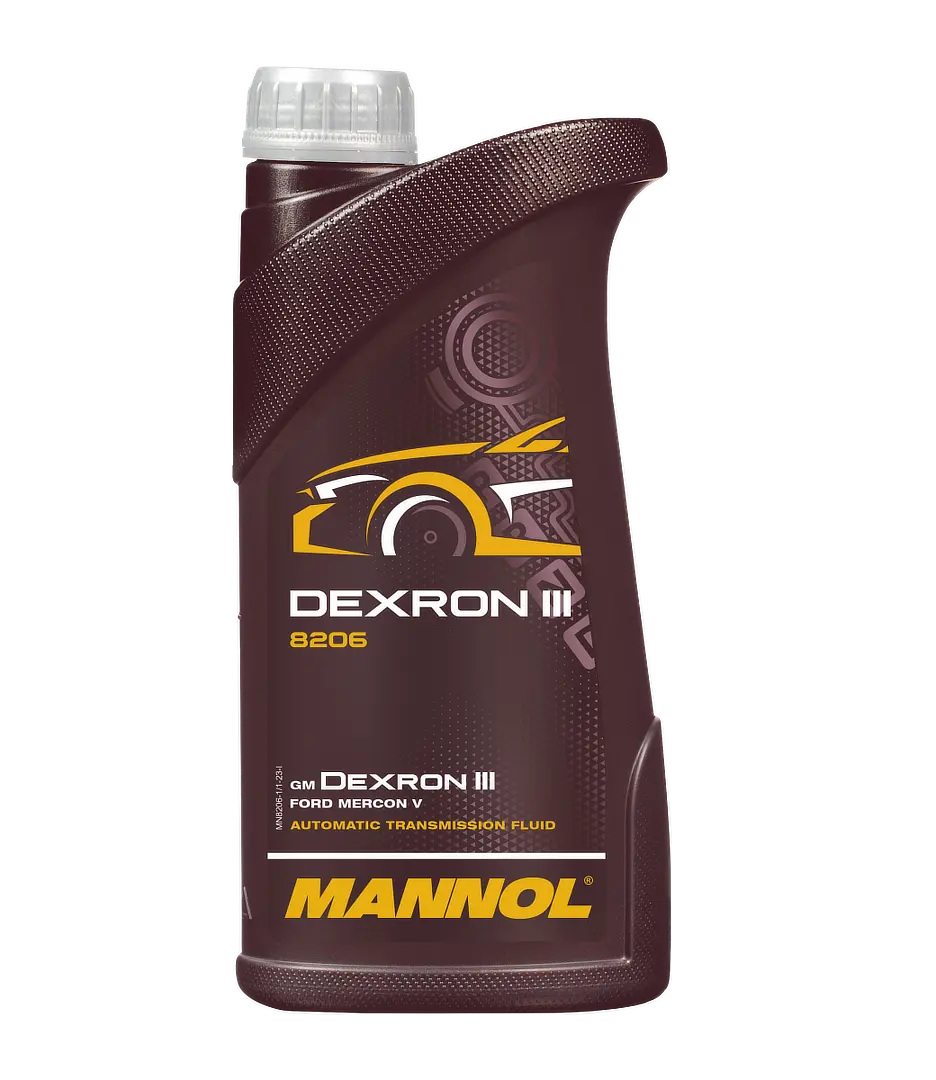
| MANNOL Automatic Plus ATF Dexron III, MN8206 | Defined older Dexron/Mercon-quality applications | Do not extend to later low-viscosity requirements without evidence |
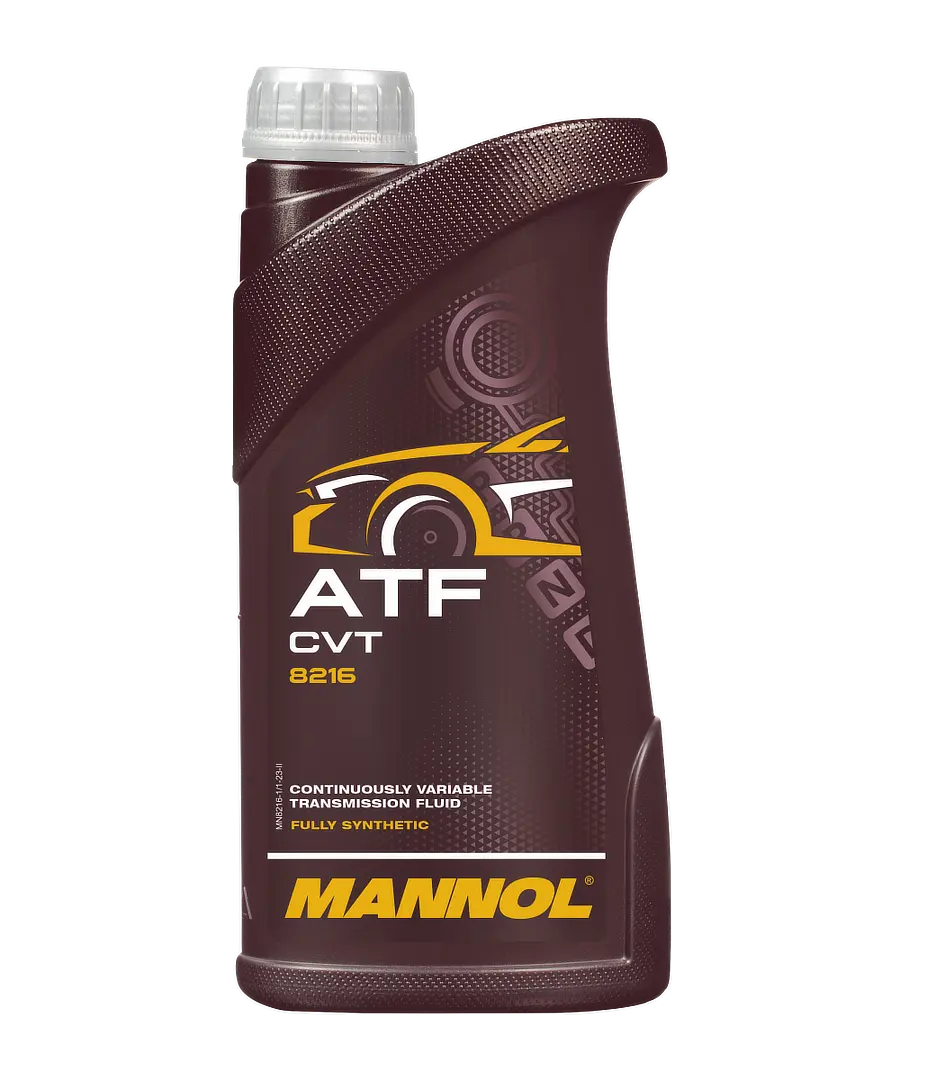
| MANNOL ATF CVT, MN8216 | Application-focused CVT fluid with a detailed recommendation list | Do not use as conventional ATF by default |
| PureGuard Xtra Rev Dexron VI | Current portfolio example for Dexron-VI service | Confirm current TDS, licensing or claim status, SKU, and pack size |
Current stock and pack sizes are not established by the category name. Confirm them at quote time.
Frequently asked questions about universal ATF
Is universal ATF safe?
It can be suitable when the exact transmission and required specification are clearly included in the current product documentation.
Is OEM-branded fluid always required?
The manual may require a specification rather than one brand, but some applications or warranty policies may require approved products. Read the actual instruction.
Can one ATF cover Dexron, Mercon, and JWS applications?
Some products list multiple families, but the exact generation and transmission must appear in the coverage. The family names alone are too broad.
Can universal ATF go in a CVT?
Only if it is explicitly a CVT fluid covering that CVT. A conventional multi-vehicle ATF is not a default CVT substitute.
Does mixing two compatible ATFs prove the service is correct?
No. Chemical compatibility and application suitability are different questions. Follow the service procedure and required specification.
Verify the transmission before consolidating inventory
Send Inforca the VIN or transmission code, OEM fluid specification, current products, monthly usage, service method, and preferred pack sizes. The team can map documented MANNOL and PureGuard options and identify the transmissions that still require dedicated fluids.
Sources
Footnotes
-
ZF Aftermarket, FAQ About Oils, accessed September 10, 2026. ↩
-
Ford Motor Company, Automatic Transmission Fluid Capacity and Specification, accessed September 10, 2026. ↩
-
Inforca International, Transmission Fluid Solutions, accessed September 10, 2026. ↩
Related Inforca products
Check each product's data sheet against your exact specification before ordering.
-
 MANNOL
 Automatic Plus ATF Dexron III
Automatic transmission fluid
-
 MANNOL
 ATF Multivehicle JWS 3309
Automatic transmission fluid
-
 MANNOL
 ATF CVT
Automatic transmission fluid
-
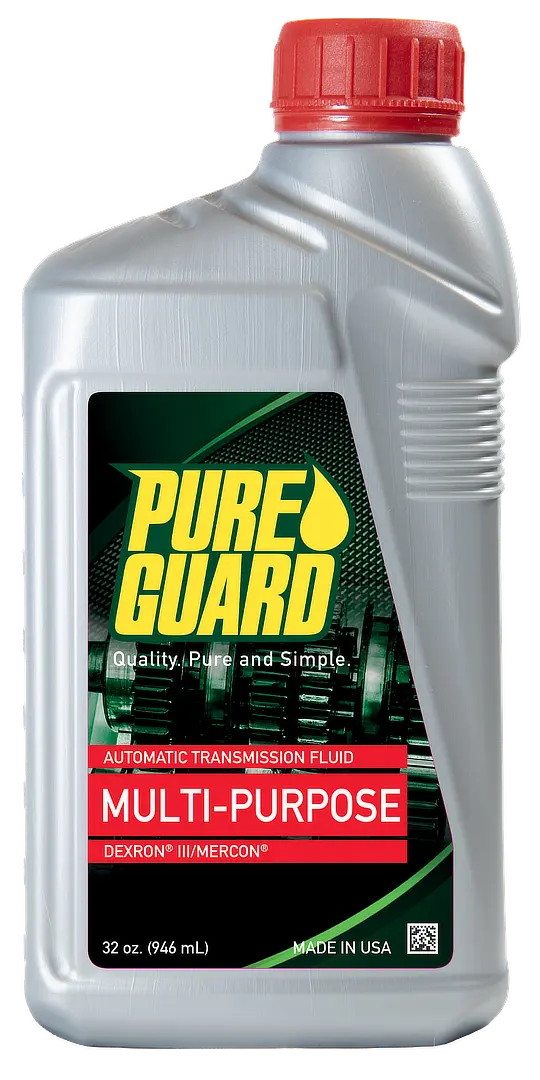 PureGuard
 Multi-Purpose ATF
Automatic transmission fluid
-
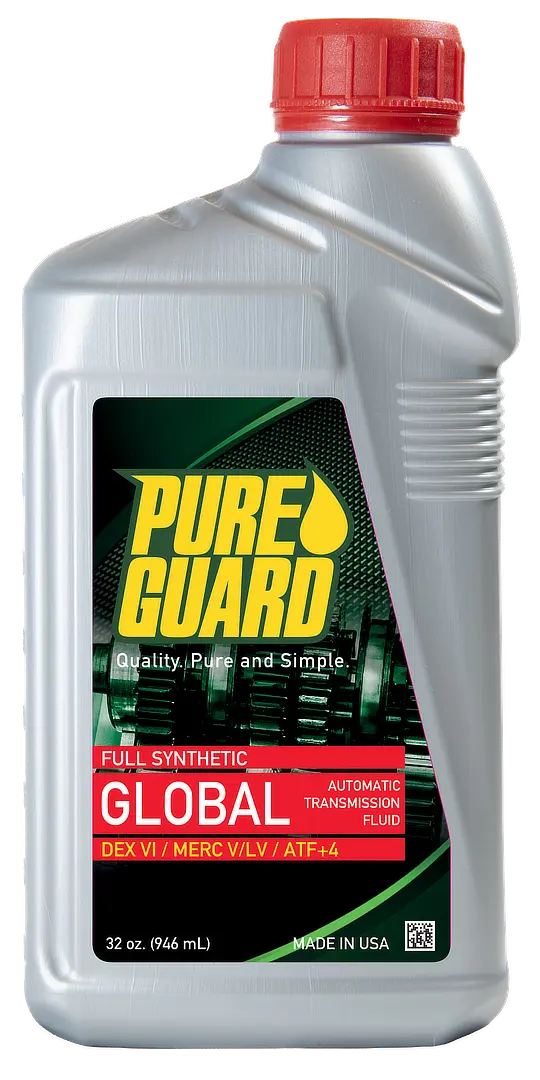 PureGuard
 Full Synthetic Global ATF
Automatic transmission fluid
Send us the application, specification, and volume — our team will confirm the right product and format.
Talk to Inforca