


What Is ACEA C3 Engine Oil?
ACEA C3 is a European light-duty engine-oil performance category for gasoline and diesel engines with aftertreatment systems. In the 2023 ACEA sequence, C3 requires high-temperature/high-shear viscosity of at least 3.5 mPa·s and sets chemical limits including sulfated ash no greater than 0.8%.1
C3 is not a viscosity grade, brand, or universal European-car approval. Use it only where the vehicle manufacturer permits ACEA C3 and match the required SAE viscosity and OEM specification.
What does C3 mean on an oil label?
The C in ACEA C3 marks the group of light-duty categories for oils compatible with exhaust aftertreatment. The 3 names the specific category; it does not rank C3 above C2 or below C4. To compare them, see ACEA C3 vs. C2 vs. C4.
What does “mid-SAPS” mean?
SAPS refers to sulfated ash, phosphorus, and sulfur. These components are influenced by the additive system and can affect exhaust aftertreatment durability.
The 2023 ACEA C3 limits include:
| Property | ACEA C3-23 limit |
|---|---|
| Sulfated ash | Maximum 0.8% by mass |
| Phosphorus | Maximum 0.09% by mass |
| Sulfur | Maximum 0.2% by mass |
| HTHS viscosity at 150°C | Minimum 3.5 mPa·s |
“Mid-SAPS” is useful shorthand, but the ACEA category is defined by a full set of laboratory and engine tests, not only those four numbers.
Why does ACEA C3 matter for European engines?
Many European vehicles use diesel particulate filters, gasoline particulate filters, catalysts, EGR, and turbocharging. A suitable C3 formulation can balance aftertreatment compatibility with wear, deposit, oxidation, and soot-control performance.
That does not mean every engine with a DPF uses C3. Some require C2, C4, C5, C6, C7, or a manufacturer-specific standard. The manual controls.
Is ACEA C3 the same as an OEM approval?
ACEA C3 is not the same as an OEM approval. ACEA defines industry sequences. BMW, Mercedes-Benz, Volkswagen, Porsche, Renault, Stellantis, and other manufacturers add their own requirements.
A product may claim ACEA C3 without carrying BMW Longlife-04, MB 229.51, VW 504.00/507.00, Porsche C30, or another OEM approval. Never infer an OEM specification from C3 alone.
Is C3 thicker than C2?
C3 is not necessarily thicker than C2 by SAE grade, but it has a higher minimum HTHS viscosity. ACEA C2-23 requires HTHS of at least 2.9 and below 3.5 mPa·s; C3-23 requires at least 3.5 mPa·s.1
A C2 5W-30 and a C3 5W-30 share an SAE grade yet differ in HTHS and other category requirements. Do not substitute one for the other unless the OEM permits it.
Is C3 lower ash than C4?
C3 is not lower in ash than C4. C4 has a lower sulfated-ash limit: 0.5% versus C3’s 0.8% in the 2023 sequence. C4 also has different phosphorus, sulfur, TBN, and engine-test requirements.1
Lower ash does not mean universally better. It means a different formulation envelope for engines designed around that category.
Which active MANNOL oils list ACEA C3?
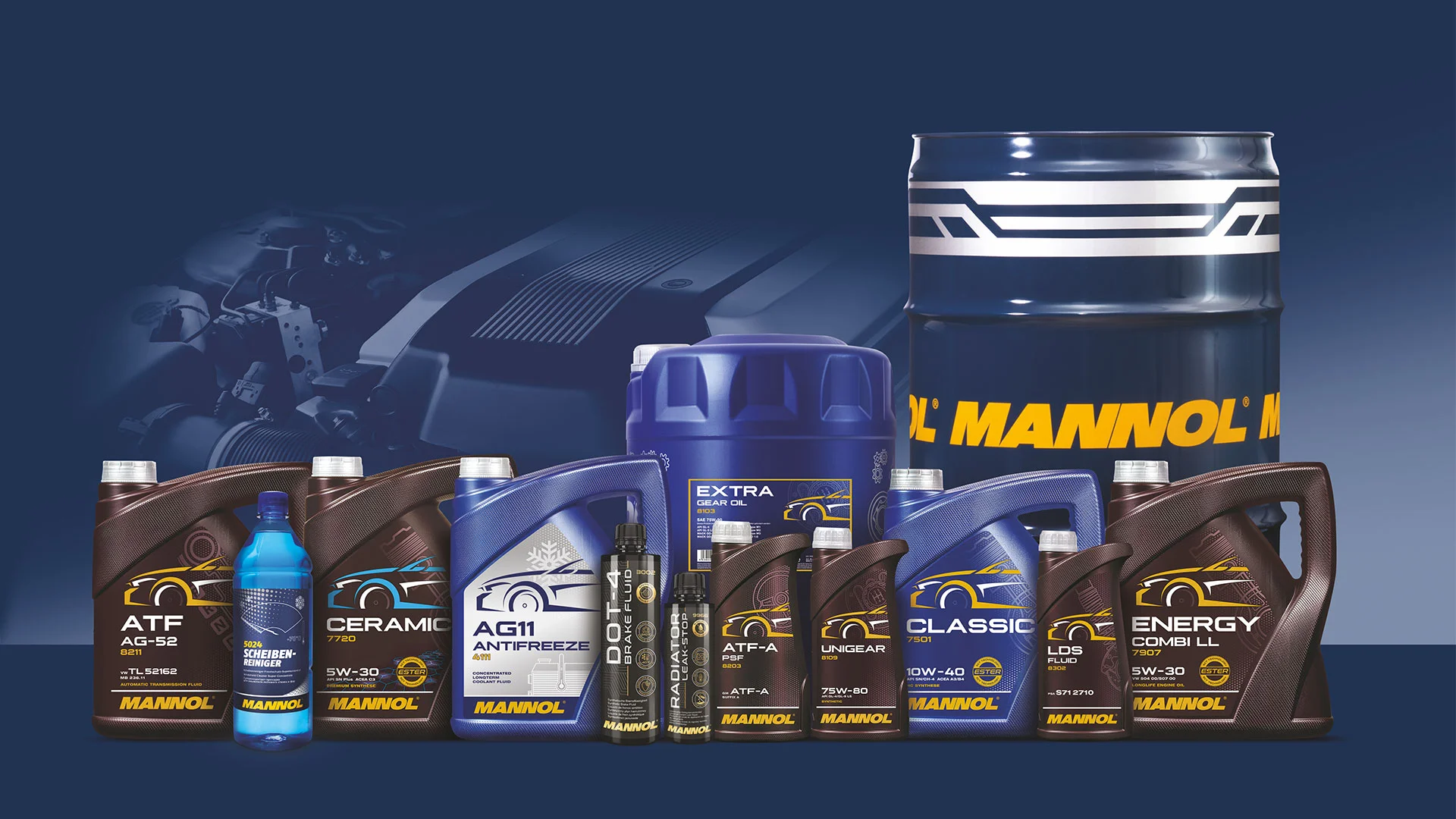
As of September 2026, Inforca’s active MANNOL page includes several products whose supplied 2026 files list ACEA C3.2
| Product | Viscosity | Other selected claims in supplied file |
|---|---|---|
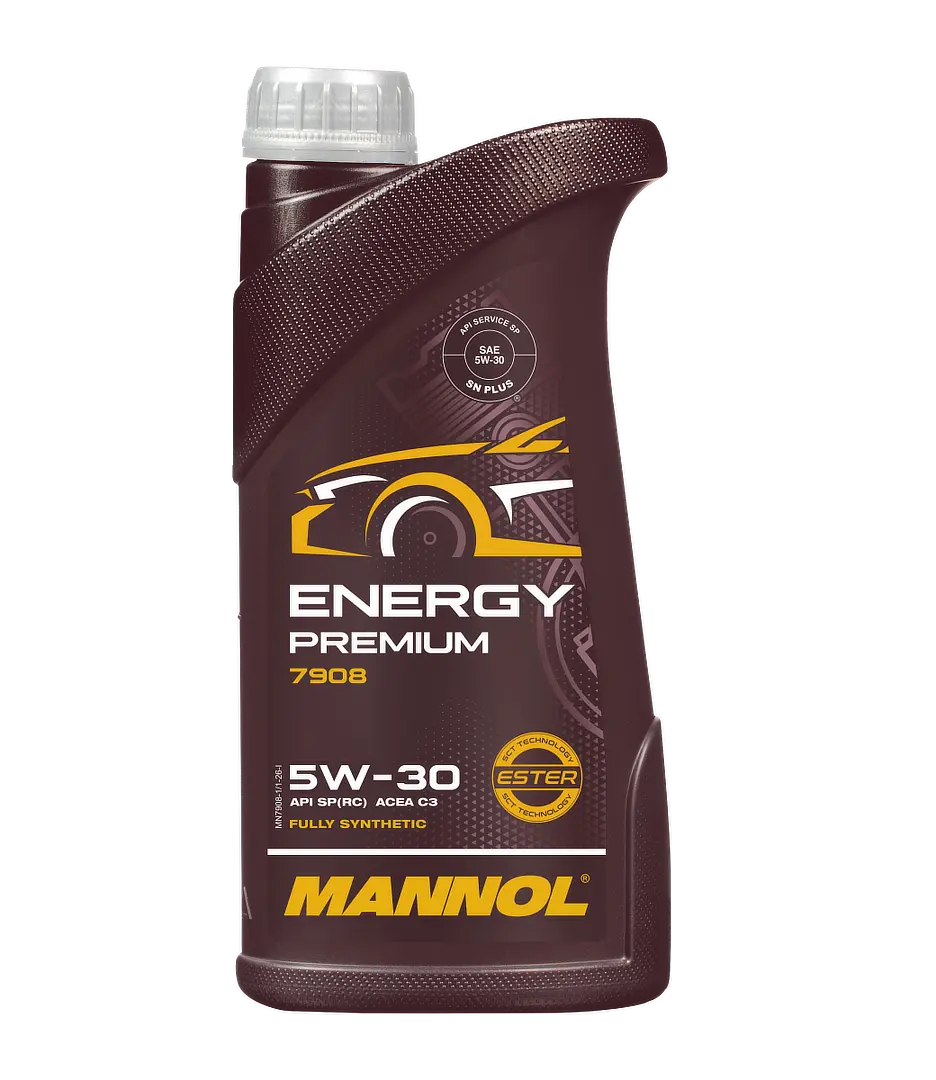
| MANNOL Energy Premium, MN7908 | 5W-30 | API SP; ACEA C2/C3; several BMW, Mercedes-Benz, VW, Opel, PSA, Renault, and Fiat claims |
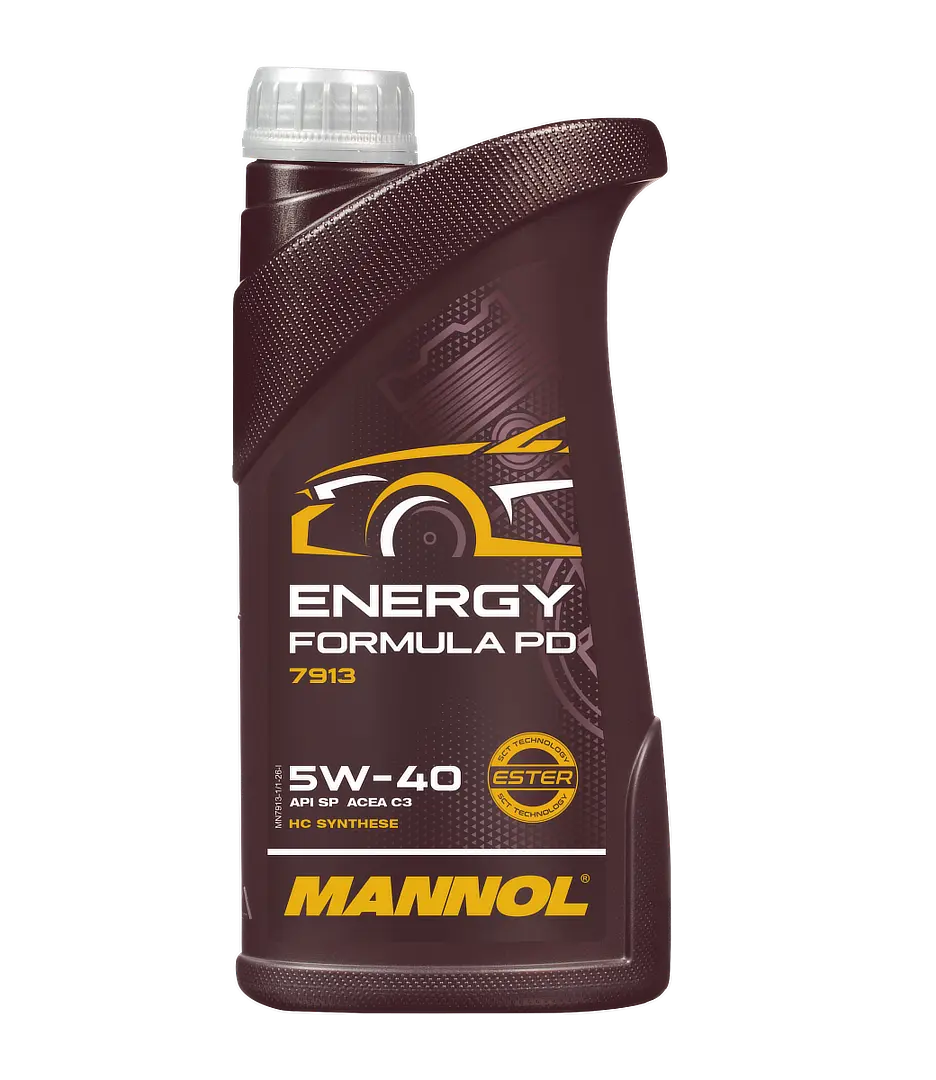
| MANNOL Energy Formula PD, MN7913 | 5W-40 | API SP; ACEA C3; several BMW, Mercedes-Benz, VW, Porsche, GM, Ford, Renault, and Fiat recommendations |
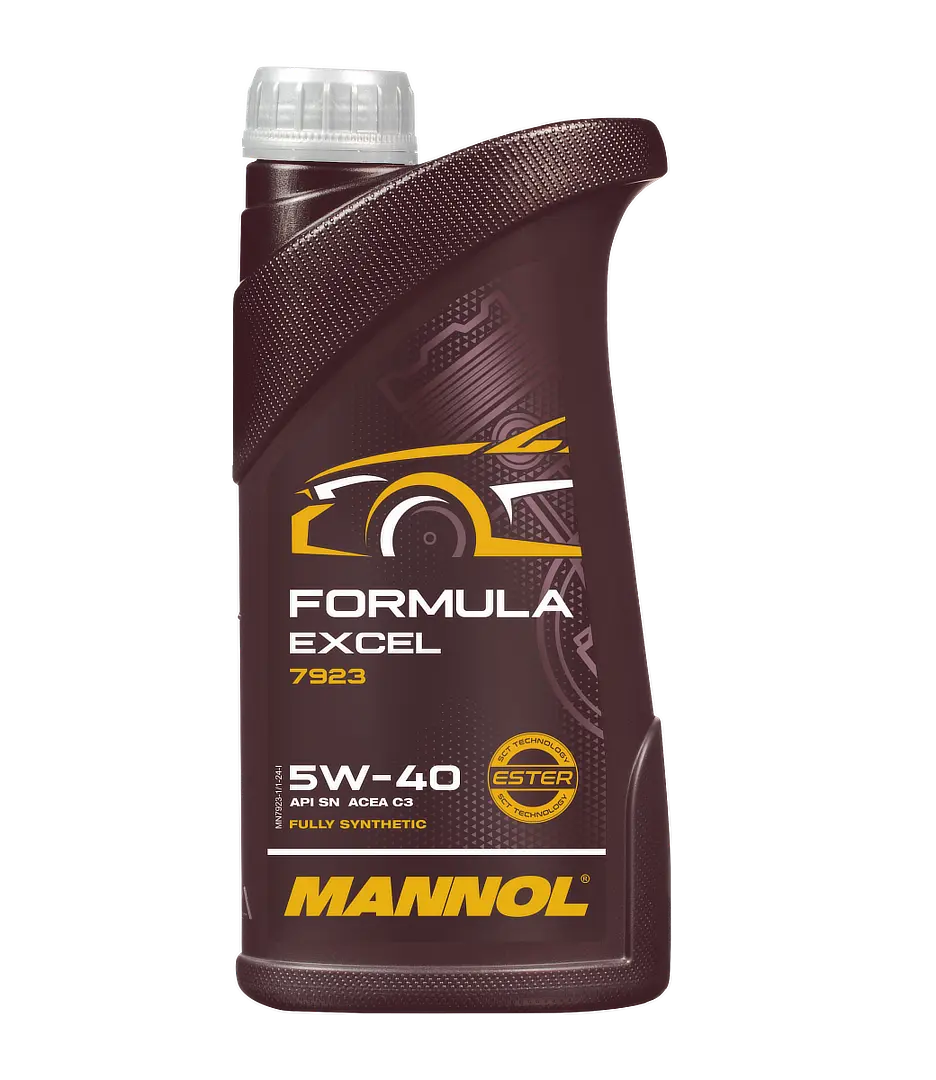
| MANNOL Formula Excel, MN7923 | 5W-40 | API SN; ACEA C3; listed BMW, Mercedes-Benz, VW, Porsche, GM, Ford, and Renault coverage |
The table is not a vehicle lookup. Confirm the exact OEM specification, claim type, viscosity, TDS version, and availability.
How should a shop verify a C3 oil?
- Identify the vehicle by VIN and engine code.
- Find the required OEM standard and ACEA category.
- Confirm the allowed SAE viscosity.
- Read the exact oil’s current TDS.
- Separate formal approvals from recommendations.
- Check the OEM approved-oil list when required.
- Follow the specified interval and service procedure.
ACEA states that oil marketers are responsible for claims against its sequences and requires claims to name the ACEA class and category.3
Frequently asked questions about ACEA C3
Is ACEA C3 full synthetic?
The category defines performance, not base-oil marketing terminology. Check the product description.
Can C3 be used in gasoline engines?
ACEA C3 can be used in gasoline engines when the manufacturer allows it. C3 covers catalyst-compatible gasoline and diesel applications.
Does C3 protect a DPF?
Its chemical limits support aftertreatment compatibility, but the engine’s OEM specification remains mandatory.
Can C3 replace A3/B4?
ACEA C3 does not automatically replace A3/B4; their chemistry and application intent differ.
Does C3 set the oil-change interval?
ACEA C3 does not set the oil-change interval; the vehicle maker and operating conditions do.
Confirm the complete requirement
Send Inforca the VIN, engine, OEM oil specification, ACEA category, viscosity, current oil, service volume, and package preference. The team can compare the documented active MANNOL products and confirm availability.
Sources
Footnotes
-
ACEA, 2023 Oil Sequences for Light-Duty Engines, accessed September 10, 2026. ↩ ↩2 ↩3
-
Inforca International, MANNOL Active Product Families, accessed September 10, 2026. ↩
-
ACEA, 2023 Oil Sequences: General Requirements, accessed September 10, 2026. ↩
Related Inforca products
Check each product's data sheet against your exact specification before ordering.
Send us the application, specification, and volume — our team will confirm the right product and format.
Talk to Inforca