


Should Transmission Fluid Be Changed Based on Years?
Use the vehicle’s maintenance schedule. If it gives a time limit as well as mileage, service at whichever threshold the manufacturer specifies. If it lists only mileage or has no simple interval, do not invent a calendar number—use the exact service information and operating history.
Low annual mileage does not stop fluid, seals or the vehicle from aging.
Why can time matter?
Calendar age can accompany:
- repeated short trips that never stabilize temperature;
- condensation and storage cycles;
- seal aging and slow leaks;
- long periods without inspection;
- incomplete records after ownership changes.
Mileage still matters because load, heat and shift cycles accumulate in use. ZF notes that high operating temperatures and loads accelerate transmission-oil aging.1
How should years and miles be compared?
| Maintenance information | Action |
|---|---|
| ”X miles or Y years” | Follow the first limit reached |
| Normal and severe schedules | Classify the actual operation accurately |
| Mileage only | Follow that schedule and inspect age-related concerns |
| No routine interval shown | Follow OEM guidance; do not assume universal lifetime fluid |
| Unknown history | Inspect and diagnose before choosing a procedure |
What about a stored or collector vehicle?
Storage does not automatically require a transmission-fluid exchange, but it does justify checking leaks, correct level, fluid contamination, cooler lines and operation. Use the manufacturer’s recommissioning guidance where available.
What if the transmission already has symptoms?
Slipping, delayed engagement, shudder, overheating, noise, leaks or fault codes call for diagnosis. A calendar-based service is not a repair plan.
Does fluid color show that age has expired?
No. Appearance and odor can support an inspection, but neither creates the schedule or identifies the exact fluid. Many level checks also require a temperature-controlled procedure.
Frequently asked questions
Should a ten-year-old low-mileage car get new fluid?
Its exact schedule, records, transmission and inspection should decide—not age alone.
Does opening a sealed transmission cause damage?
Correct service does not. An incorrect fluid, level or procedure can.
Can I use the same interval as another model?
No. Similar vehicles can use different transmissions and fluids.
Should the filter be changed?
Follow the manufacturer procedure; filter access and service requirements vary.
Build a time-and-use record
Give the shop the VIN, in-service date, mileage, records, storage history, operating pattern and symptoms. For supply, give Inforca the exact fluid requirement, method and quantity so a documented MANNOL or PureGuard option can be checked.2
Sources
Footnotes
-
ZF Aftermarket, In Brief: Transmission Oil, accessed September 10, 2026. ↩
-
Inforca International, Transmission Fluids, accessed September 10, 2026. ↩
Related Inforca products
Check each product's data sheet against your exact specification before ordering.
-
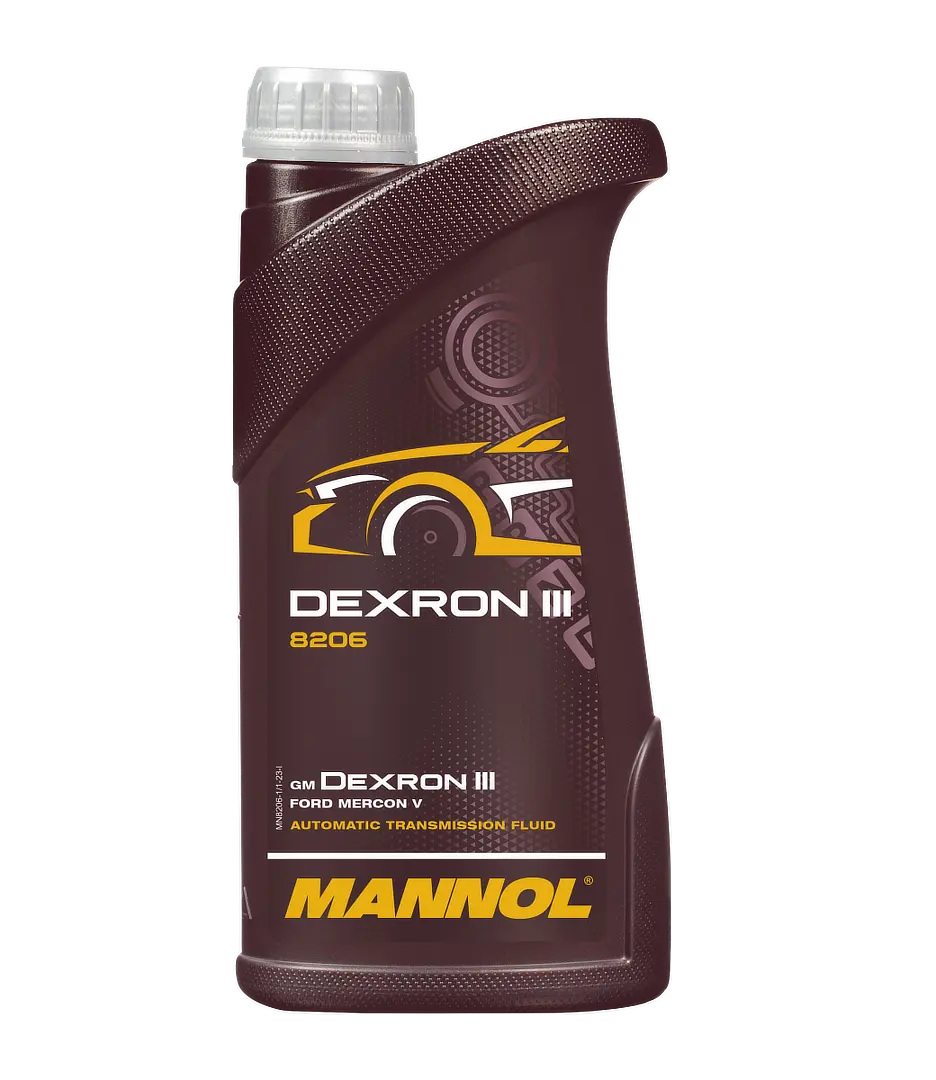 MANNOL
 Automatic Plus ATF Dexron III
Automatic transmission fluid
-
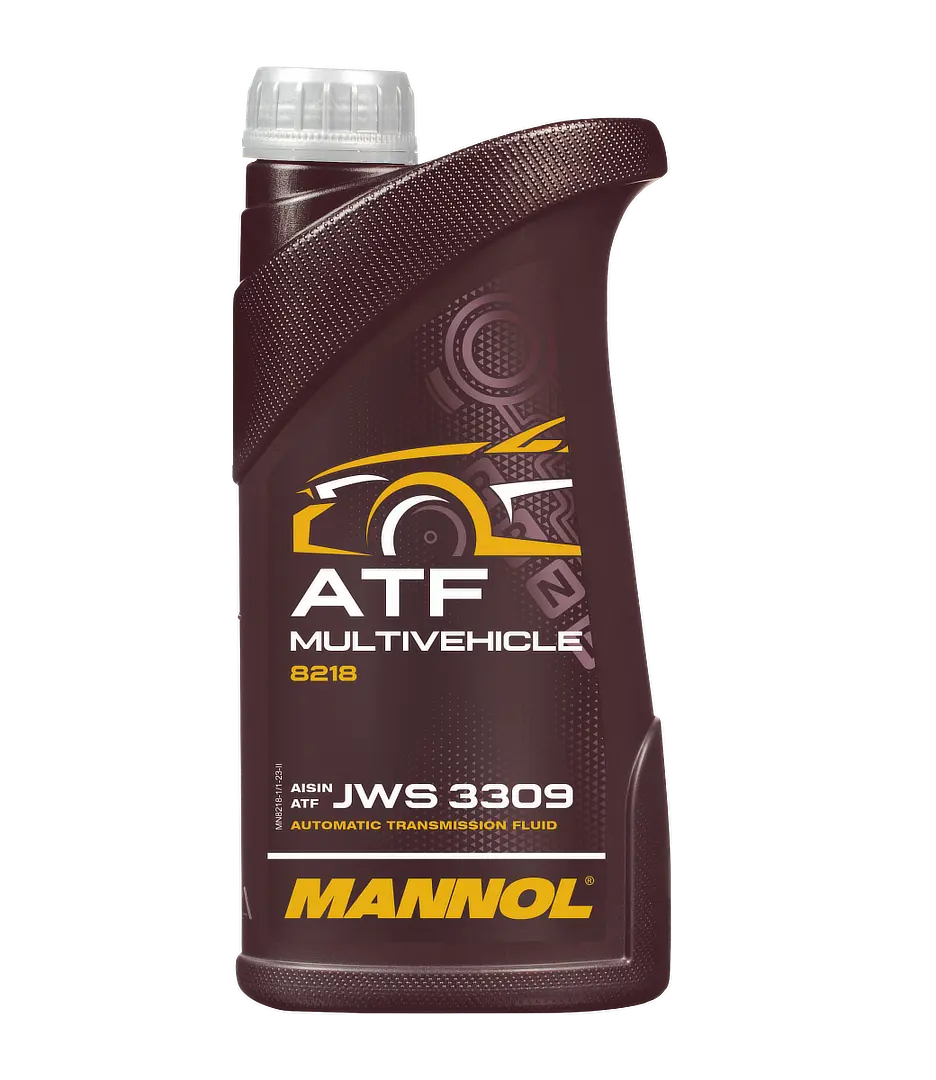 MANNOL
 ATF Multivehicle JWS 3309
Automatic transmission fluid
-
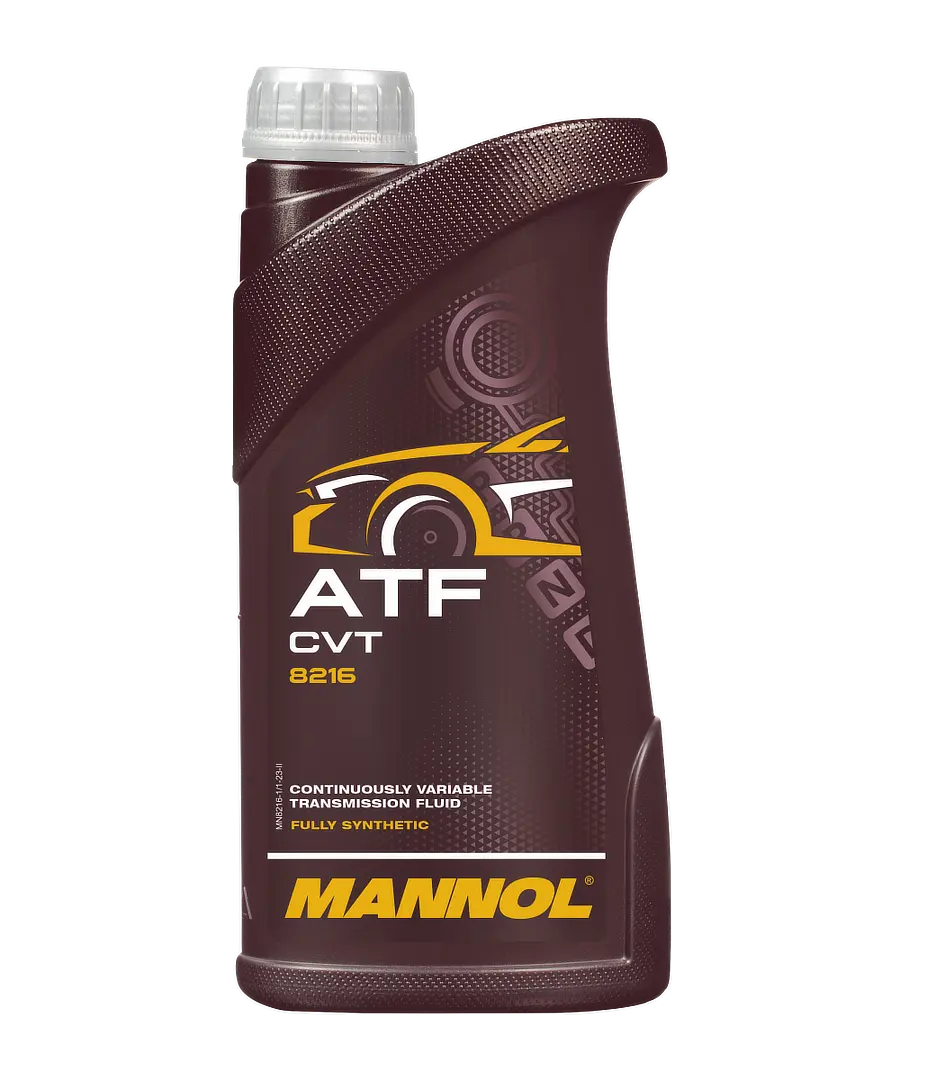 MANNOL
 ATF CVT
Automatic transmission fluid
-
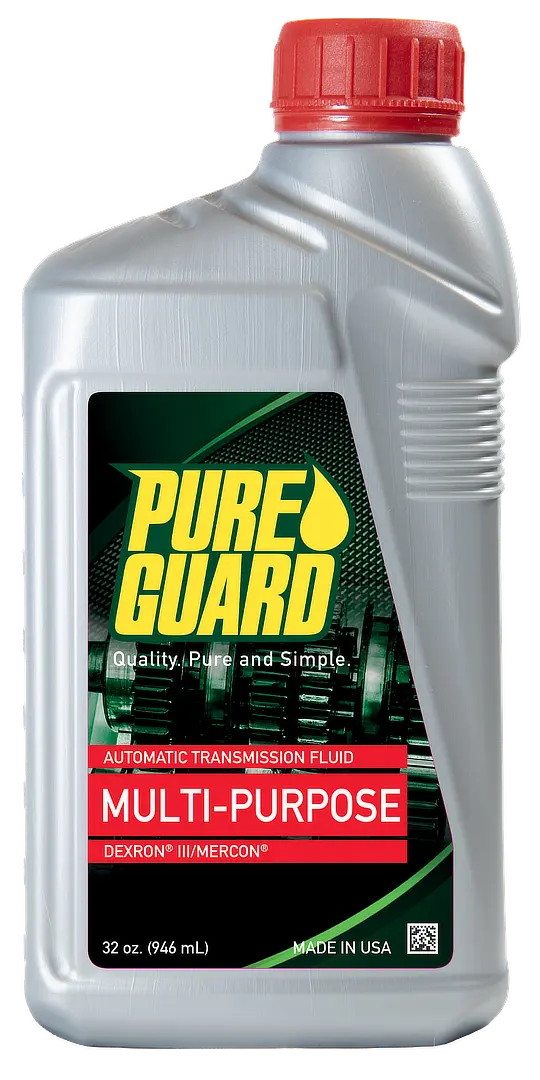 PureGuard
 Multi-Purpose ATF
Automatic transmission fluid
-
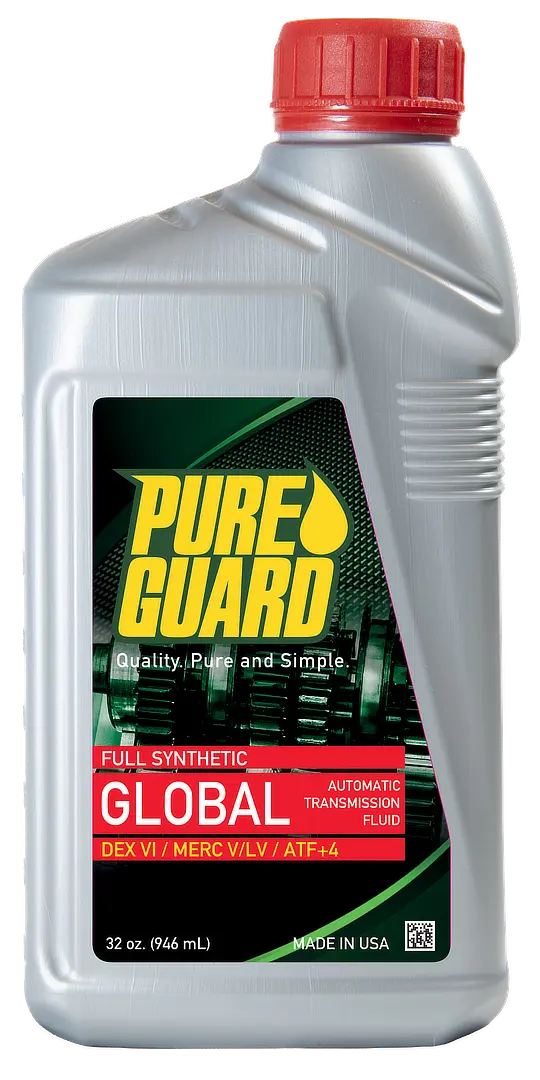 PureGuard
 Full Synthetic Global ATF
Automatic transmission fluid
Send us the application, specification, and volume — our team will confirm the right product and format.
Talk to Inforca