


Engine Oil vs. Transmission Fluid: Key Differences
Engine oil is formulated for the engine’s bearings, pistons, valvetrain, turbocharger, combustion byproducts, and temperature cycle. Transmission fluid is formulated for the transmission’s gears, bearings, hydraulic controls, clutches, torque converter, and cooling needs.
They can share lubrication and heat-control functions, but they are not interchangeable.
What does each fluid do?
| Function | Engine oil | Automatic transmission fluid |
|---|---|---|
| Lubricates moving parts | Yes | Yes |
| Carries heat | Yes | Yes |
| Handles combustion soot/acids | Core requirement | Not its normal environment |
| Operates hydraulic shift circuits | No | Yes in many automatics |
| Controls wet-clutch friction | Not in a car engine | Yes in many transmissions |
| Transfers torque in converter | No | Yes |
| Uses API/ILSAC/ACEA engine categories | Yes | No |
| Uses ATF/OEM transmission specs | No | Yes |
The overlap in basic functions does not create compatible chemistry.
Why does engine oil face different conditions?
Engine oil contacts combustion gases, fuel dilution, soot, acids, and very hot piston and turbocharger areas. It needs detergent, dispersant, antiwear, oxidation, and deposit-control performance suited to the engine.
API tells users to follow the vehicle manufacturer’s oil category and viscosity recommendation.1
Why is ATF different?
ATF must act as a hydraulic and friction-control fluid while lubricating and cooling. Its friction curve affects clutch engagement and shift quality. ZF calls transmission oil a design element developed around specific hardware and materials.2
Engine oil is not formulated to deliver a transmission’s required hydraulic response and wet-clutch friction behavior.
Are the viscosity labels comparable?
Not directly. Engine oil uses SAE J300 grades such as 0W-20 or 5W-30. Automotive gear oils use SAE J306 grades such as 75W-90. ATFs are commonly identified by OEM specification rather than an engine-oil SAE grade.
The numbers come from different classification systems. SAE 75W-90 gear oil is not interpreted like SAE 5W-30 engine oil.
Can transmission fluid go in the engine?
Not as an operating engine lubricant unless an engine manufacturer explicitly specifies it, which is unusual in modern road vehicles. Using ATF as an engine flush or additive can change viscosity and additive balance and is not a substitute for an approved service procedure.
Can engine oil go in a transmission?
Only if the equipment maker explicitly specifies an engine-oil category for that transmission or hydraulic system. Some equipment designs historically do, but that exception cannot be generalized to passenger-car automatics.
How can I tell which fluid is leaking?
Color is not definitive. Inspect location, odor, viscosity, level changes, and component source. ATF may be red when new, but not all ATF is red and used fluid changes color. Engine oil also darkens in service.
Clean the area and trace the leak. Do not top off until the system and fluid are identified.
Which Inforca products belong to each category?
Inforca’s current portfolio separates engine and transmission solutions.3
- Engine oils: MANNOL and PureGuard gasoline, European, diesel, and heavy-duty products in grades such as 0W-20, 5W-30, 5W-40, and 15W-40.
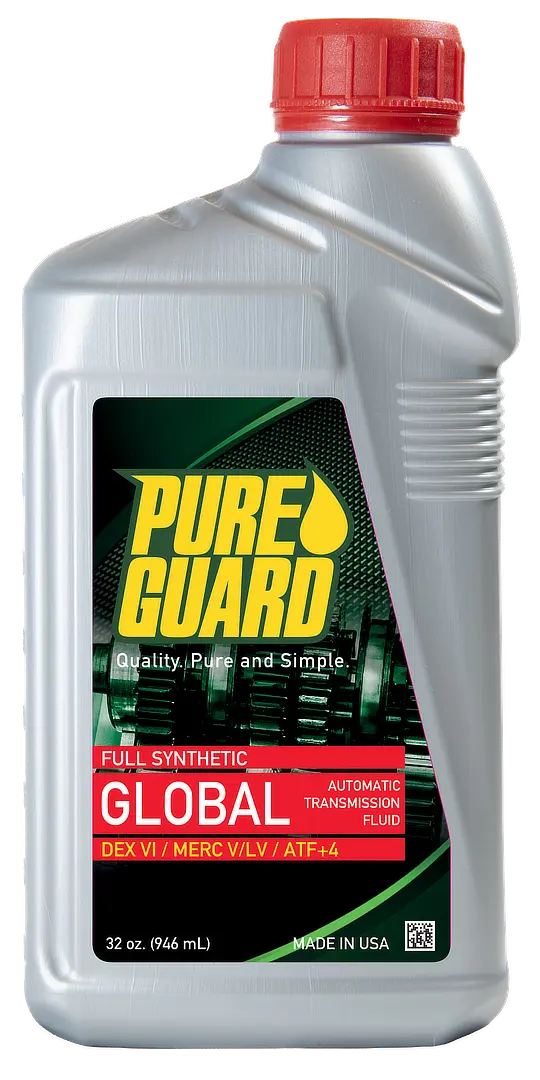
- Transmission fluids: MANNOL ATF CVT, Automatic Plus Dexron III, Multivehicle JWS 3309, and PureGuard Multi-Purpose, Global, Dexron VI, and powershift products.
Choose an exact SKU only after matching the engine or transmission specification.
Frequently asked questions
Is transmission fluid thinner than engine oil?
Often, but not always, and the classifications are different. Compare actual TDS values.
Why is ATF often red?
Dye helps identify it, but color is not standardized proof of specification.
Can I mix engine oil and ATF?
No as a normal service practice. Cross-contamination should be corrected using the manufacturer’s procedure.
Do both fluids need changing?
Follow separate schedules. Engine-oil and transmission-fluid intervals are not linked.
Can one “universal” oil serve both?
Not unless the equipment maker explicitly specifies the same product for both systems.
Identify the component and specification
Send Inforca the VIN, engine or transmission code, required specification, viscosity, current fluid, service quantity, and package preference. The team can confirm the correct product category and documented option.
Sources
Footnotes
-
American Petroleum Institute, Oil Categories, accessed September 10, 2026. ↩
-
ZF Aftermarket, FAQ About Oils, accessed September 10, 2026. ↩
-
Inforca International, Products, accessed September 10, 2026. ↩
Related Inforca products
Check each product's data sheet against your exact specification before ordering.
-
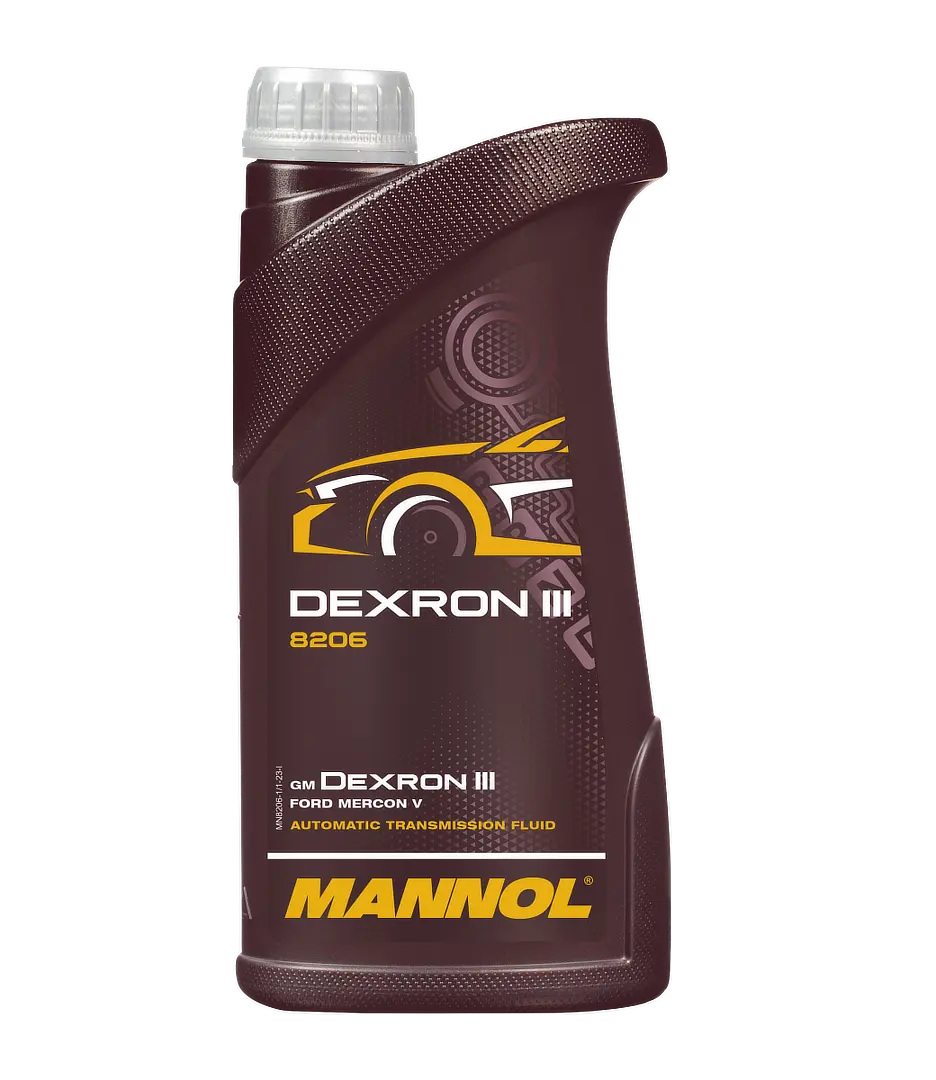 MANNOL
 Automatic Plus ATF Dexron III
Automatic transmission fluid
-
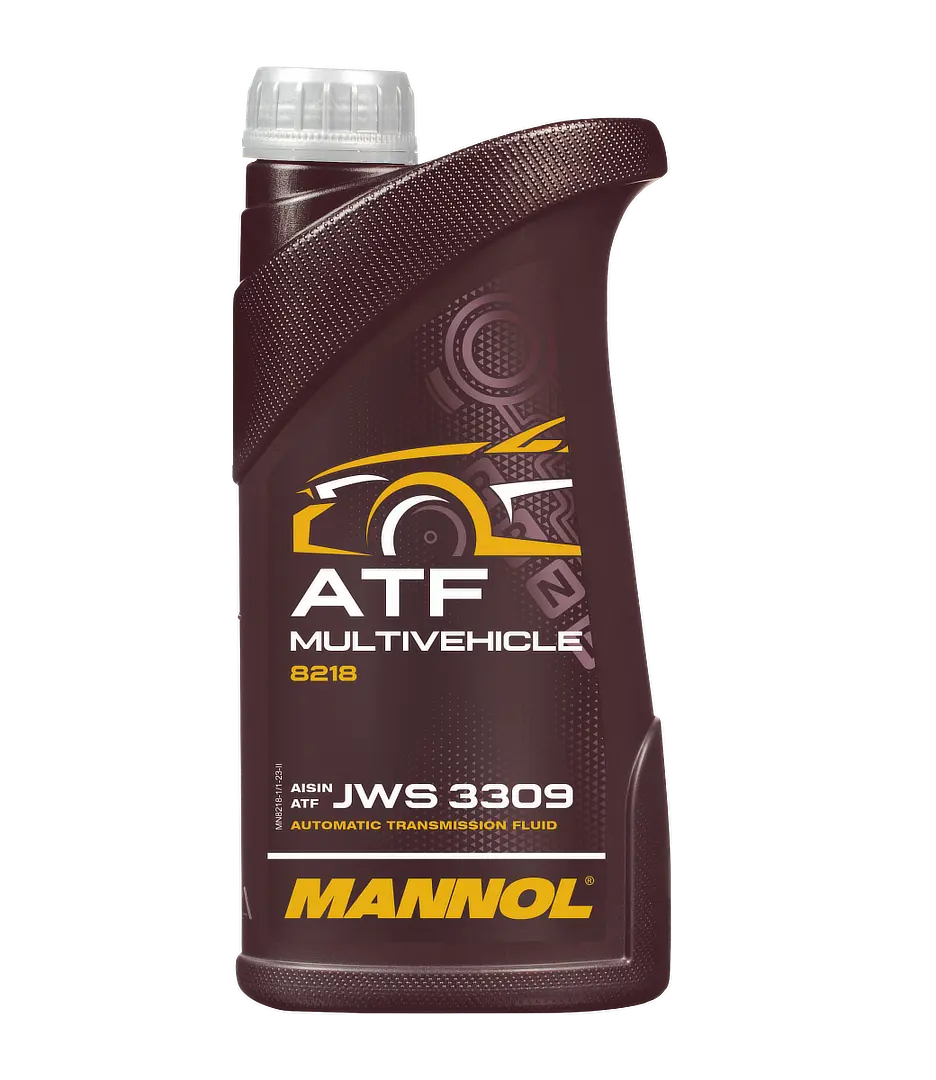 MANNOL
 ATF Multivehicle JWS 3309
Automatic transmission fluid
-
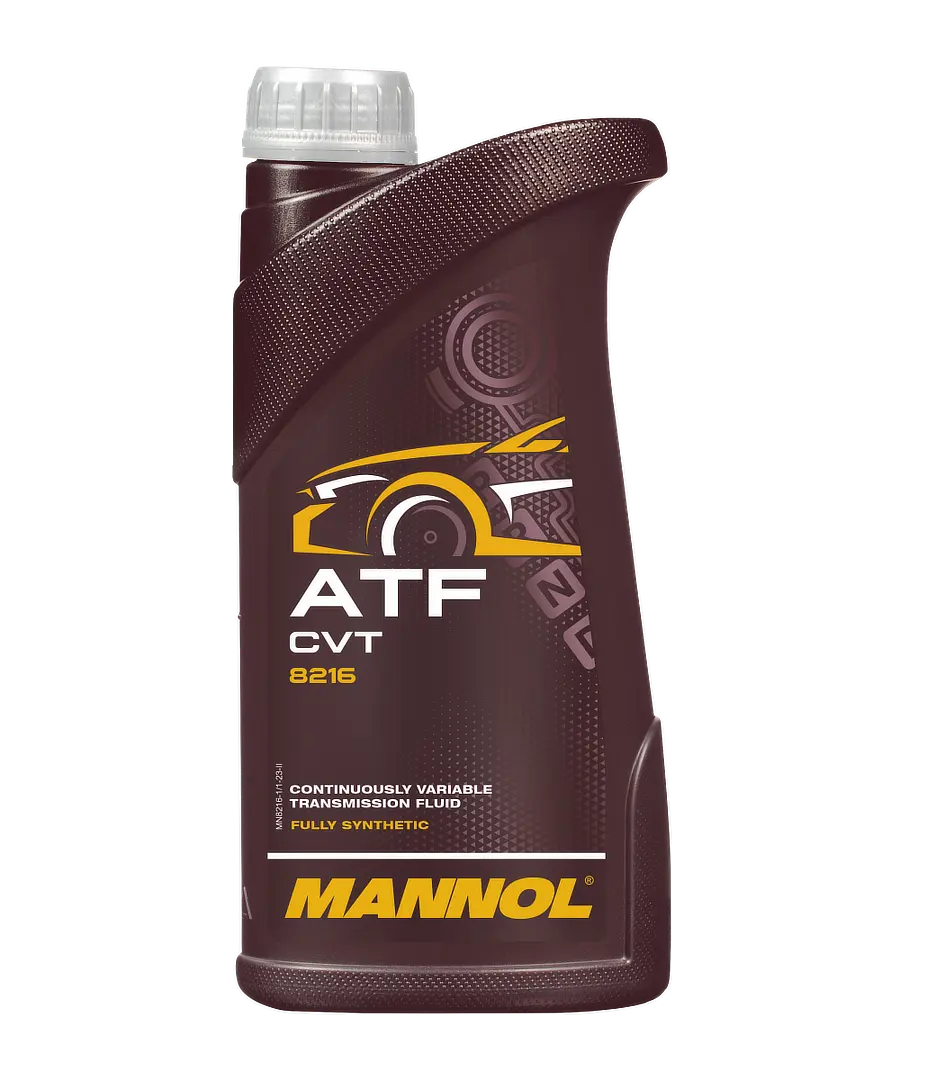 MANNOL
 ATF CVT
Automatic transmission fluid
-
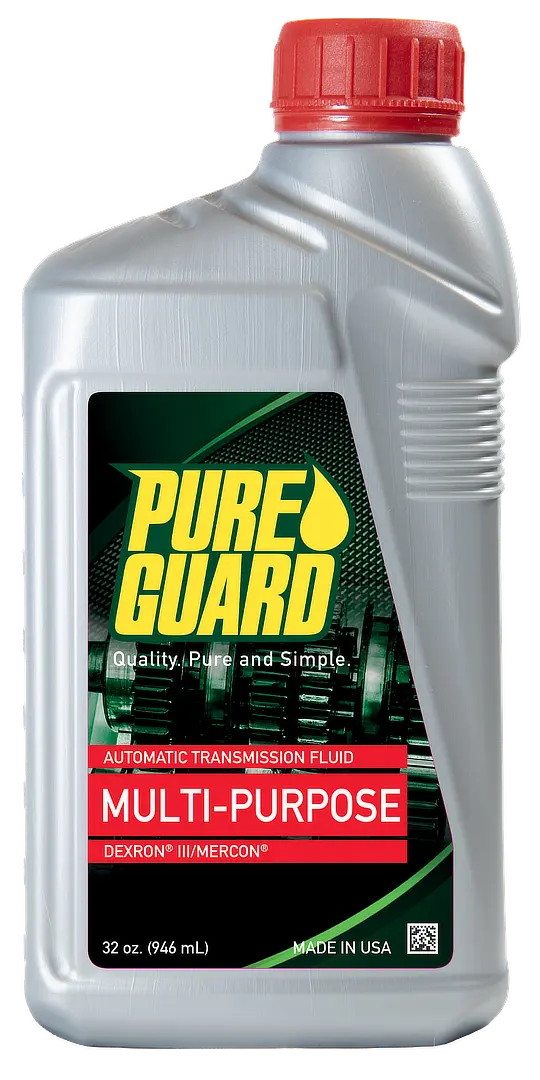 PureGuard
 Multi-Purpose ATF
Automatic transmission fluid
-
 PureGuard
 Full Synthetic Global ATF
Automatic transmission fluid
Send us the application, specification, and volume — our team will confirm the right product and format.
Talk to Inforca