


How Late Is Too Late to Change Transmission Fluid?
There is no universal mileage at which a transmission-fluid change becomes “too late.” The right decision depends on the exact transmission, maintenance schedule, service history, fluid condition, symptoms and required procedure.
If the unit slips, flares, shudders, delays engagement, leaks or sets transmission fault codes, diagnose it before authorizing routine maintenance.
Why mileage alone cannot answer the question
Automatic transmissions differ in design, fluid, capacity, filter arrangement and level-setting procedure. Some schedules also change under towing, commercial use, heat or other severe conditions.
ZF states that oil ages faster under high temperatures and loads and advises following the vehicle manufacturer’s instructions.1 That supports condition-aware maintenance, not a universal cutoff.
What should be checked first?
- Identify the vehicle, engine and transmission.
- Retrieve the manufacturer’s maintenance schedule and service procedure.
- Review invoices rather than relying only on memory.
- Inspect for leaks and external damage.
- Scan for codes and evaluate any shift complaint.
- Check level and condition only by the specified method.
- Confirm the exact fluid specification.
Some transmissions use a dipstick. Others require a level plug, a narrow fluid-temperature window and specialized filling equipment. A generic check can create an incorrect level.
Does new fluid cause an old transmission to fail?
Fresh, correctly specified fluid does not create worn clutches, damaged seals or hydraulic faults. A service can coincide with the appearance of an existing problem, or expose a unit that was already relying on abnormal friction behavior.
Risk also comes from the wrong fluid, incorrect level, an unsuitable machine exchange, debris disturbance, skipped filter or pan work, and failure to diagnose symptoms first.
Service, exchange or repair?
| Situation | Sensible next step |
|---|---|
| No symptoms, documented maintenance due | Follow the specified maintenance procedure |
| Unknown history, no symptoms | Inspect, identify the unit and discuss a conservative plan |
| Leak or low level | Find the leak and correct the level with the exact fluid |
| Burnt odor, heavy debris or shift symptoms | Diagnose before routine service |
| Wrong fluid added | Stop operation if safe and seek model-specific advice |
Avoid treating a pressurized exchange as automatically better than a drain-and-fill. The correct method is the one supported for the unit and its condition.
Frequently asked questions
Is high mileage by itself a reason to avoid service?
No. It is one risk factor, not a diagnosis.
Can a fluid change repair slipping?
Do not promise it. Slipping can reflect hydraulic, electronic or mechanical faults.
Should additives be used instead?
Not unless the transmission manufacturer and exact product documentation support the use.
Which fluid should be installed?
The fluid that matches the vehicle’s exact requirement. Similar color or “universal” wording is not enough.
Gather the evidence before deciding
Send a qualified shop the VIN, mileage, transmission identification, service records, symptoms, codes and leak history. For fluid sourcing, send Inforca the documented requirement and needed quantity so a current MANNOL or PureGuard option can be checked.2
Sources
Footnotes
-
ZF Aftermarket, In Brief: Transmission Oil, accessed September 10, 2026. ↩
-
Inforca International, Transmission Fluids, accessed September 10, 2026. ↩
Related Inforca products
Check each product's data sheet against your exact specification before ordering.
-
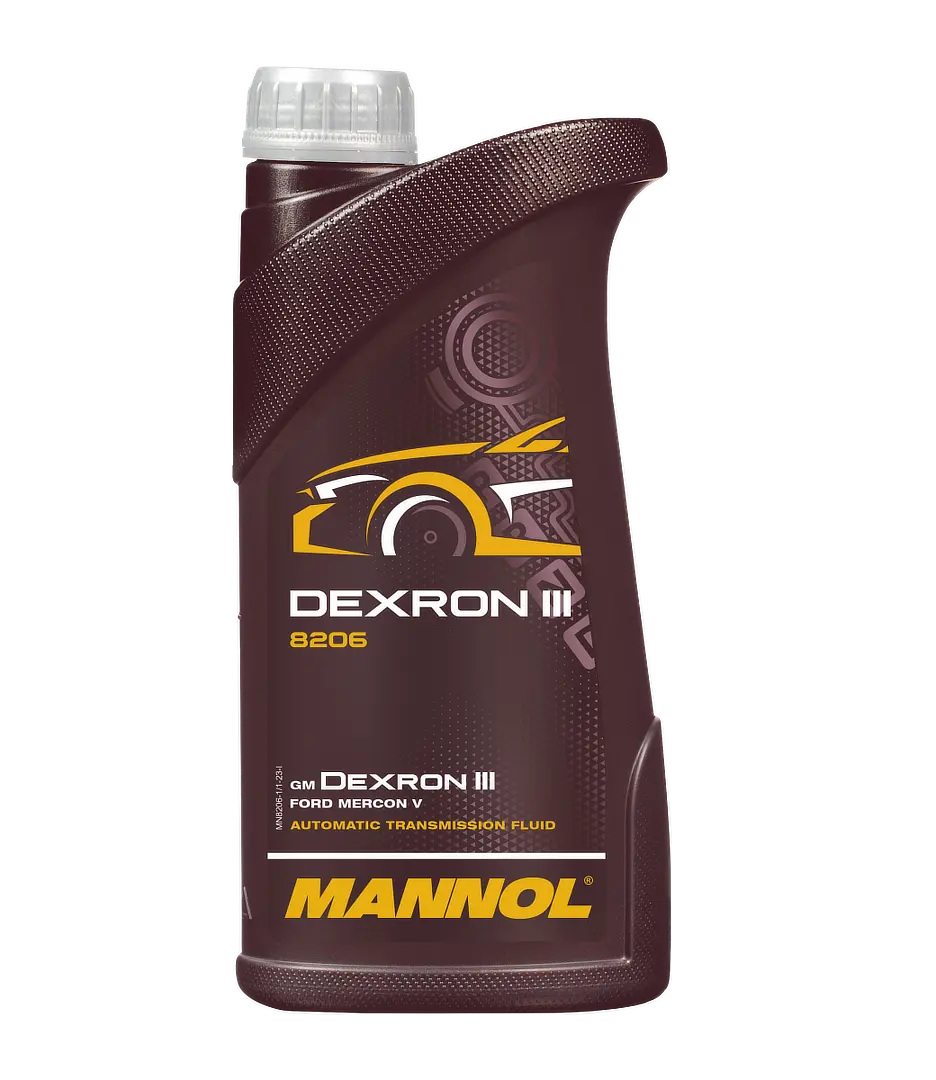 MANNOL
 Automatic Plus ATF Dexron III
Automatic transmission fluid
-
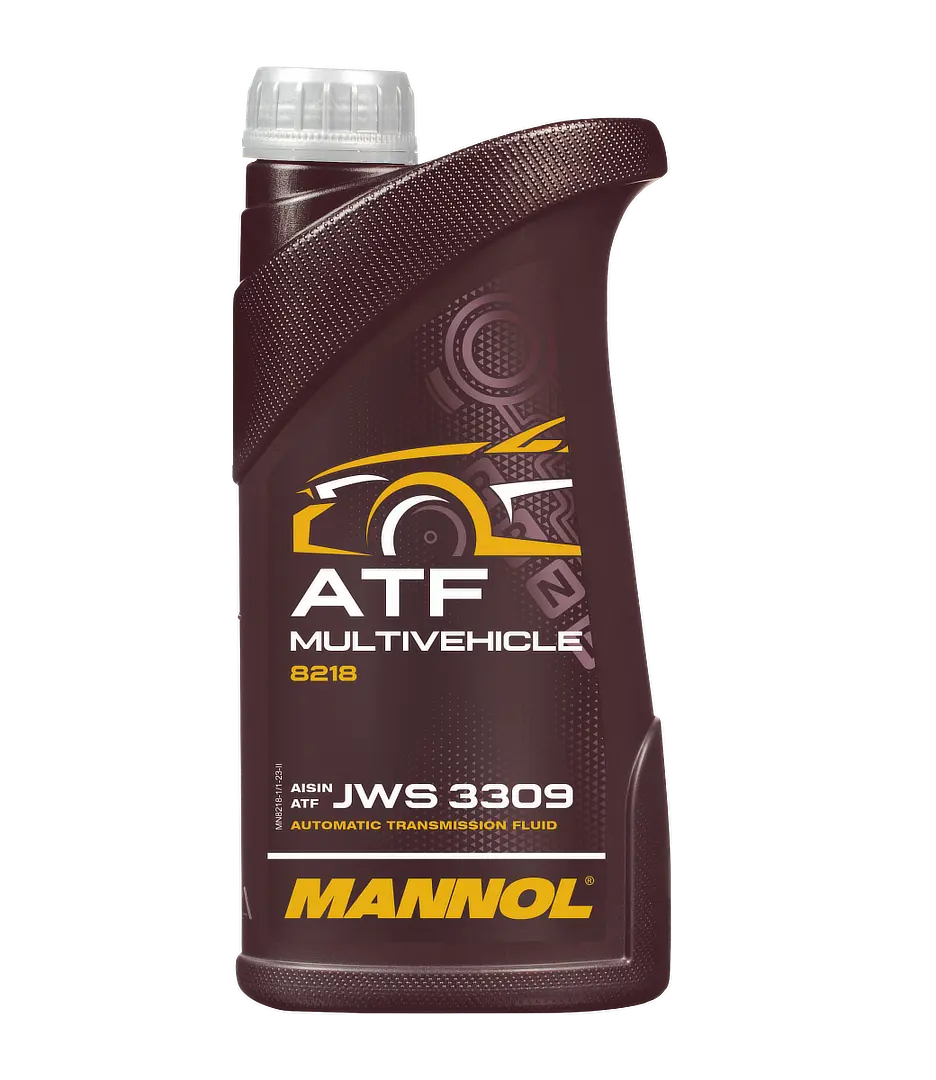 MANNOL
 ATF Multivehicle JWS 3309
Automatic transmission fluid
-
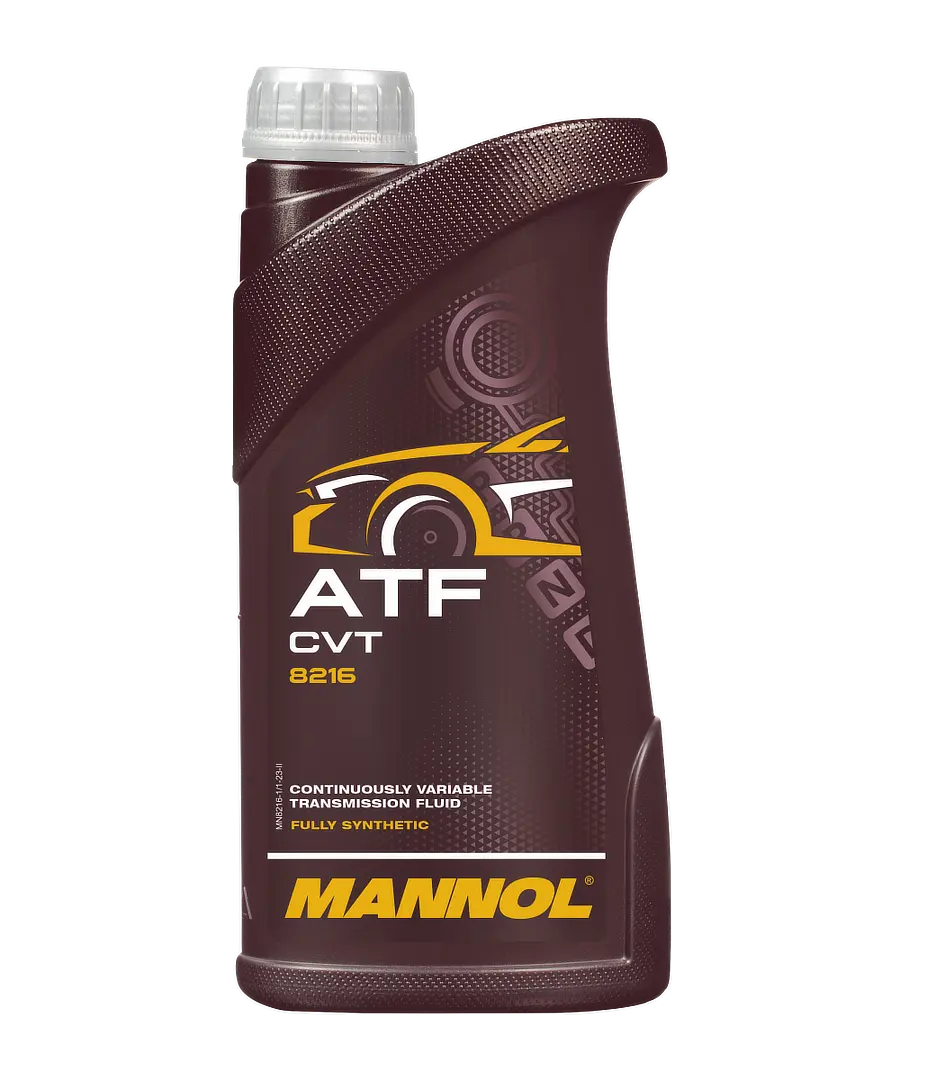 MANNOL
 ATF CVT
Automatic transmission fluid
-
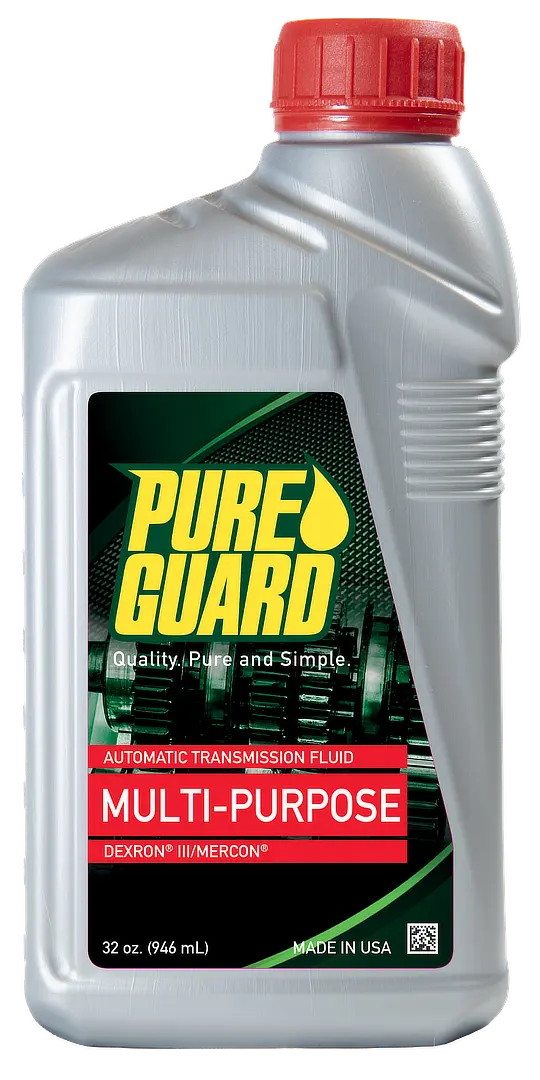 PureGuard
 Multi-Purpose ATF
Automatic transmission fluid
-
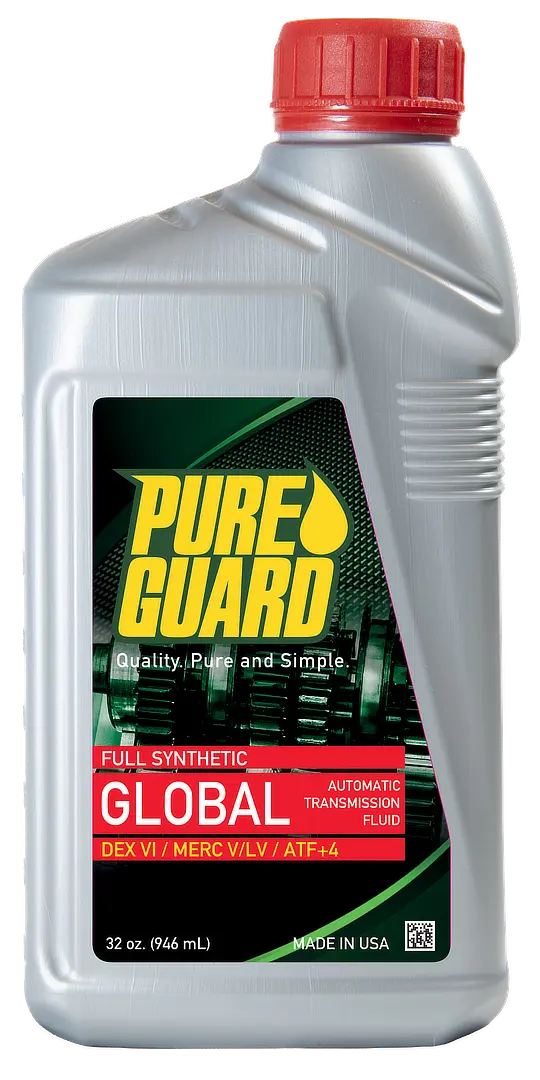 PureGuard
 Full Synthetic Global ATF
Automatic transmission fluid
Send us the application, specification, and volume — our team will confirm the right product and format.
Talk to Inforca