


Is 100,000 Miles Too Late for Transmission Fluid?
No single mileage decides whether transmission-fluid service is appropriate. At 100,000 miles, the technician should compare the manufacturer’s schedule with the vehicle’s history, current behavior, leaks, fluid condition and exact transmission design.
Do not authorize a routine exchange solely because the odometer crossed a round number.
Four different 100,000-mile vehicles
| Vehicle history | What 100,000 miles means |
|---|---|
| Fluid serviced on schedule | Continue the documented schedule |
| No records, no symptoms | Inspect and identify the correct procedure before deciding |
| Towing, commercial or high-heat use | Severe-service guidance may apply |
| Slipping, shuddering, delayed engagement or fault codes | Diagnose before maintenance |
The same mileage can represent very different operating hours and thermal stress. ZF notes that high operating temperatures and loads accelerate transmission-oil aging.1
What should a shop inspect?
- VIN and transmission identification;
- manufacturer schedule and service instructions;
- prior invoices;
- leaks at lines, seals, pan and cooler connections;
- codes, adaptation data and complaint conditions;
- fluid level by the correct temperature-dependent method;
- fluid odor, appearance and evidence in the pan when service calls for removal.
Fluid appearance can support diagnosis but cannot identify every internal problem or replace the manufacturer’s interval.
Why do some shops refuse a high-mileage exchange?
They may see symptoms that suggest existing wear, lack the equipment for the exact unit, or avoid an aggressive exchange on a transmission with unknown history. That caution is not proof that every 100,000-mile transmission must keep its old fluid.
Ask the shop to separate three questions:
- Is maintenance due?
- Is the transmission already faulty?
- Which service method is appropriate?
What can make service harmful?
The wrong fluid, an incorrect level, contamination, improper temperature during level setting, unsupported chemicals or a procedure that conflicts with the service information. Ford, for example, warns in current owner information that using fluid other than the specified MERCON type can damage the transmission.2
Frequently asked questions
Should fluid be changed if it has never been changed?
Not without inspection. Unknown history changes the decision; it does not create a universal prohibition.
Will new fluid make the transmission slip?
New fluid does not manufacture wear. Symptoms after service can reflect pre-existing damage, wrong fluid, wrong level or an unsuitable procedure.
Is a flush required at 100,000 miles?
No universal rule requires one. Use the manufacturer-supported procedure.
Can any ATF be used in a high-mileage vehicle?
No. The exact specification remains essential.
Ask for a documented recommendation
Provide the shop with the VIN, mileage, records, symptoms, towing or commercial use and leak history. If fluid is needed, send Inforca the exact requirement and quantity to compare documented MANNOL or PureGuard options.
Sources
Footnotes
-
ZF Aftermarket, In Brief: Transmission Oil, accessed September 10, 2026. ↩
-
Ford Motor Company, Automatic Transmission Fluid Specification, accessed September 10, 2026. ↩
Related Inforca products
Check each product's data sheet against your exact specification before ordering.
-
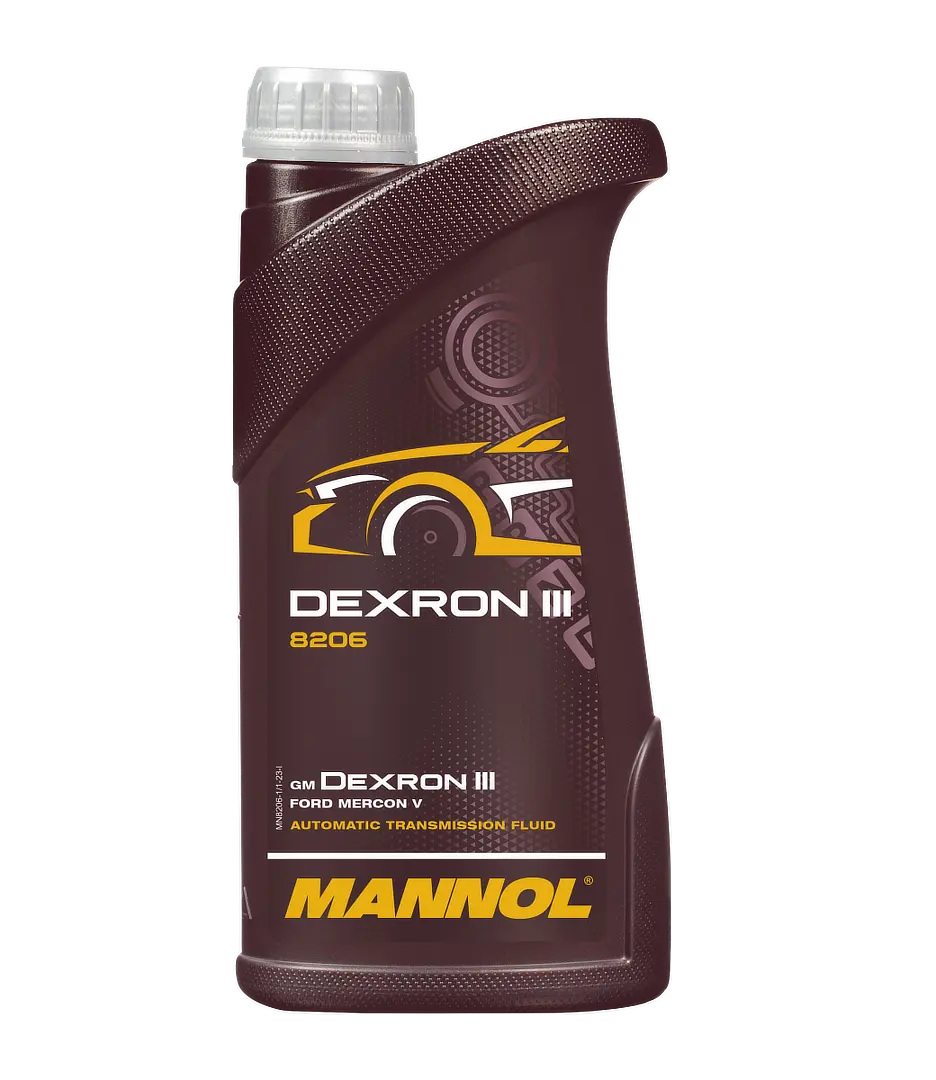 MANNOL
 Automatic Plus ATF Dexron III
Automatic transmission fluid
-
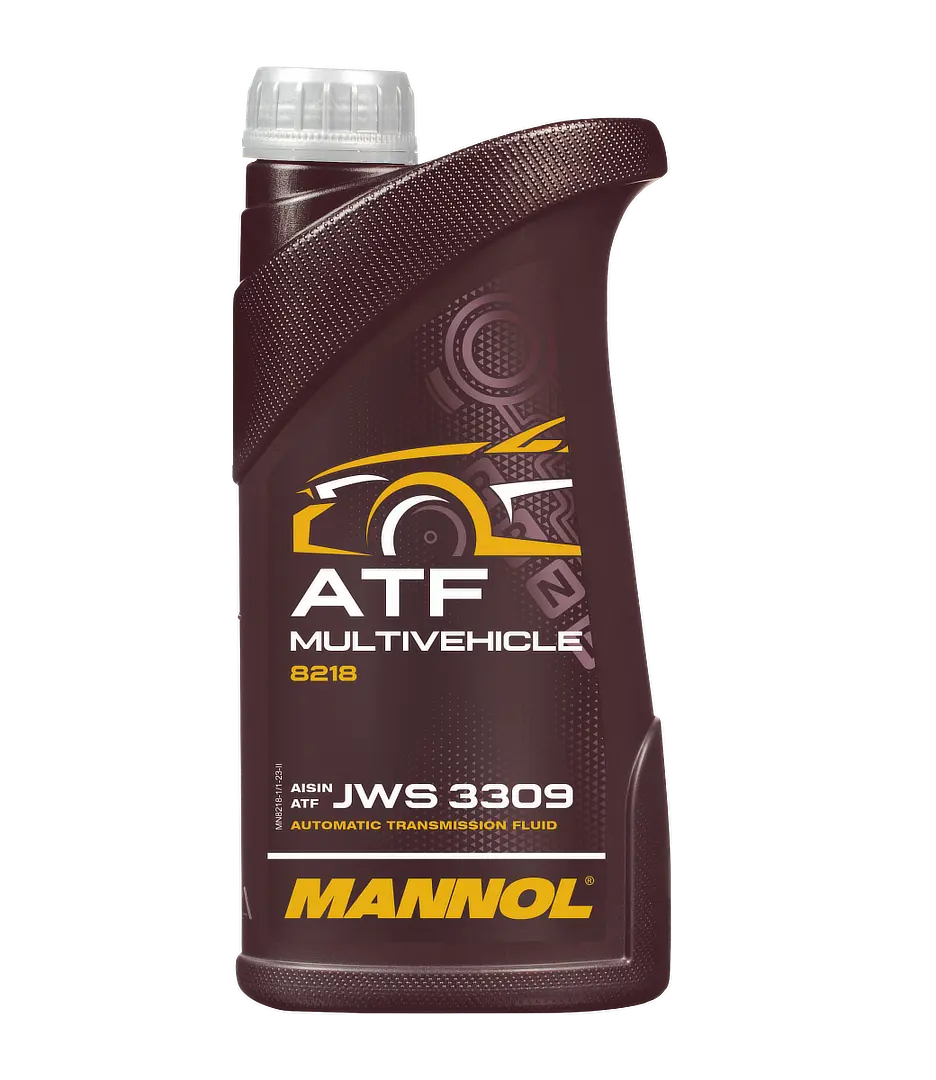 MANNOL
 ATF Multivehicle JWS 3309
Automatic transmission fluid
-
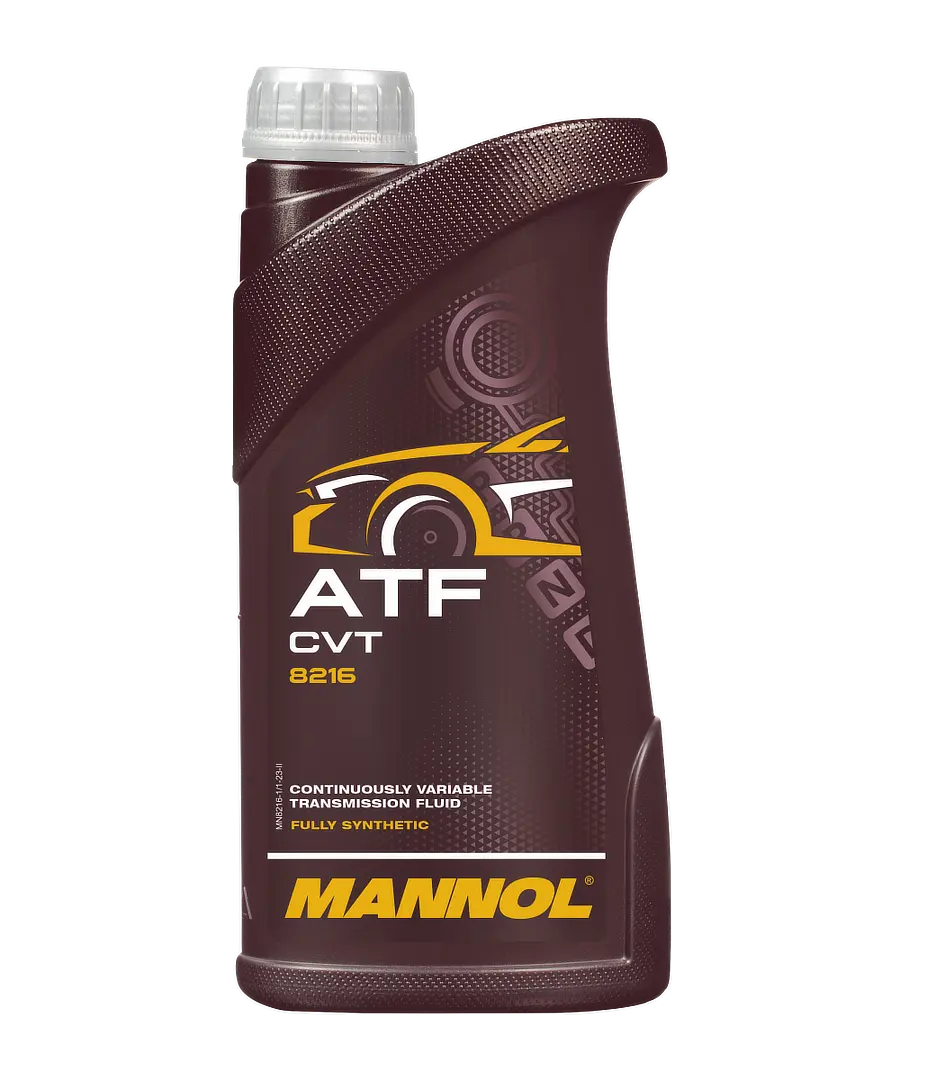 MANNOL
 ATF CVT
Automatic transmission fluid
-
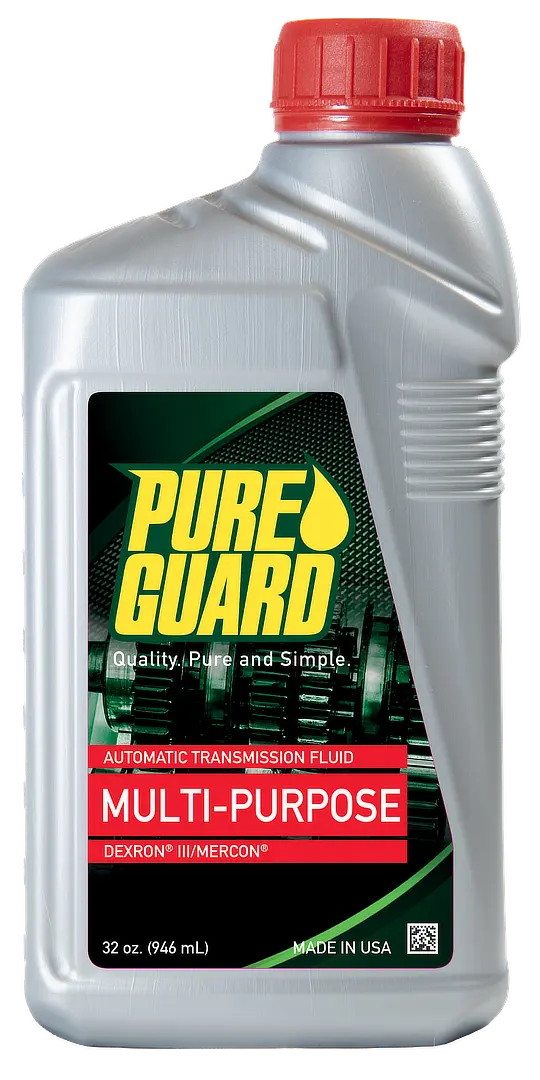 PureGuard
 Multi-Purpose ATF
Automatic transmission fluid
-
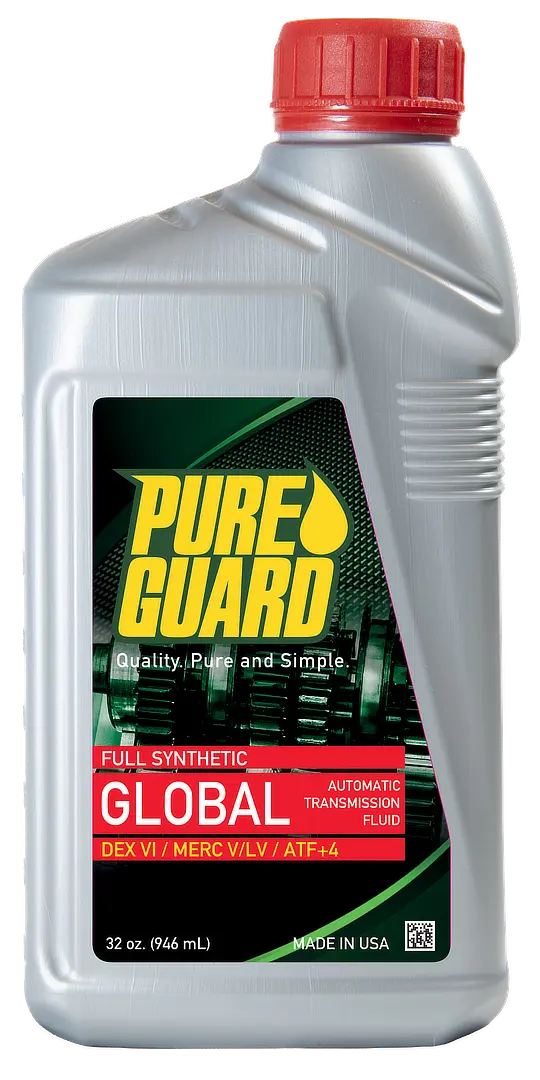 PureGuard
 Full Synthetic Global ATF
Automatic transmission fluid
Send us the application, specification, and volume — our team will confirm the right product and format.
Talk to Inforca