


Is It Necessary to Change Transmission Fluid?
Transmission fluid should be serviced when the vehicle manufacturer’s schedule and procedure call for it. There is no single interval or method for every automatic, CVT or dual-clutch transmission.
Fluid is functional: it lubricates, carries heat and, in many transmissions, supports hydraulic control and clutch behavior. It is not merely a container of color.
Why does transmission fluid need maintenance?
Heat, load and time affect the fluid and its additive system. Contamination can also enter through component wear, moisture or improper service. ZF explains that high temperatures and loads accelerate oil aging and recommends following the vehicle manufacturer’s instructions.1
Changing fluid on schedule helps maintain the intended fluid properties. It cannot rebuild worn hardware or repair a leak.
Does every vehicle have the same interval?
No. The schedule can depend on:
- transmission type and model;
- specified fluid;
- time and mileage;
- towing, load and commercial use;
- temperature and driving pattern;
- normal versus severe service.
Check the manual for the exact vehicle and market. If it gives no simple owner procedure, use manufacturer service information or a qualified transmission shop.
What does “lifetime fluid” mean?
Treat “lifetime” as manufacturer-specific language, not proof that fluid cannot age. The relevant definition may be tied to a service plan, operating profile or component design. Do not invent an interval that contradicts the manufacturer, but do inspect leaks and symptoms.
When should diagnosis come first?
If the vehicle has slipping, shuddering, delayed engagement, harsh shifts, a leak, burnt odor or fault codes, routine maintenance should not be presented as a cure. The shop should identify whether the problem is fluid level, incorrect fluid, controls, cooling or internal wear.
What makes a correct service?
| Requirement | Why it matters |
|---|---|
| Exact fluid specification | Friction and viscosity behavior vary |
| Correct level procedure | Underfill and overfill can cause problems |
| Correct temperature | Many levels are set within a defined range |
| Supported service method | Drain-and-fill, pan/filter work and exchange are not equivalent |
| Clean equipment | Cross-contamination can alter the fluid |
Ford warns that fluid outside the specified MERCON type can damage the transmission in its applicable vehicle instructions.2
Frequently asked questions
Is a transmission flush always necessary?
No. Use the manufacturer-supported service method.
Can fluid last the life of a car?
That depends on how the manufacturer defines the service plan and how the vehicle operates. “Never inspect” is not a safe translation.
Will changing fluid fix hard shifts?
Not necessarily. Diagnose the cause.
Can a shop use universal fluid?
Only if the current product documentation explicitly covers the exact requirement and the claim is acceptable for the application.
Verify before service
Give the shop the VIN, transmission identification, mileage, records, symptoms and operating conditions. Give Inforca the exact fluid requirement and quantity when sourcing a documented MANNOL or PureGuard option.
Sources
Footnotes
-
ZF Aftermarket, In Brief: Transmission Oil, accessed September 10, 2026. ↩
-
Ford Motor Company, Automatic Transmission Fluid Specification, accessed September 10, 2026. ↩
Related Inforca products
Check each product's data sheet against your exact specification before ordering.
-
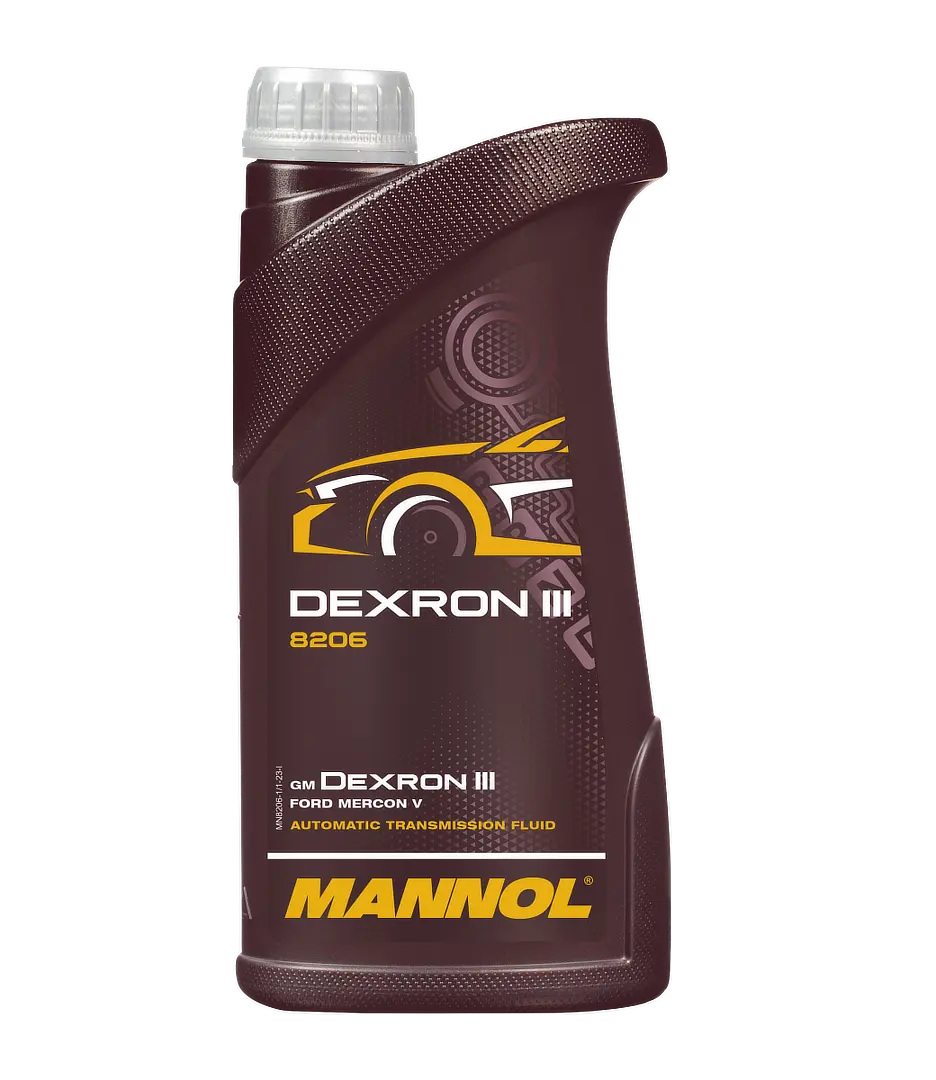 MANNOL
 Automatic Plus ATF Dexron III
Automatic transmission fluid
-
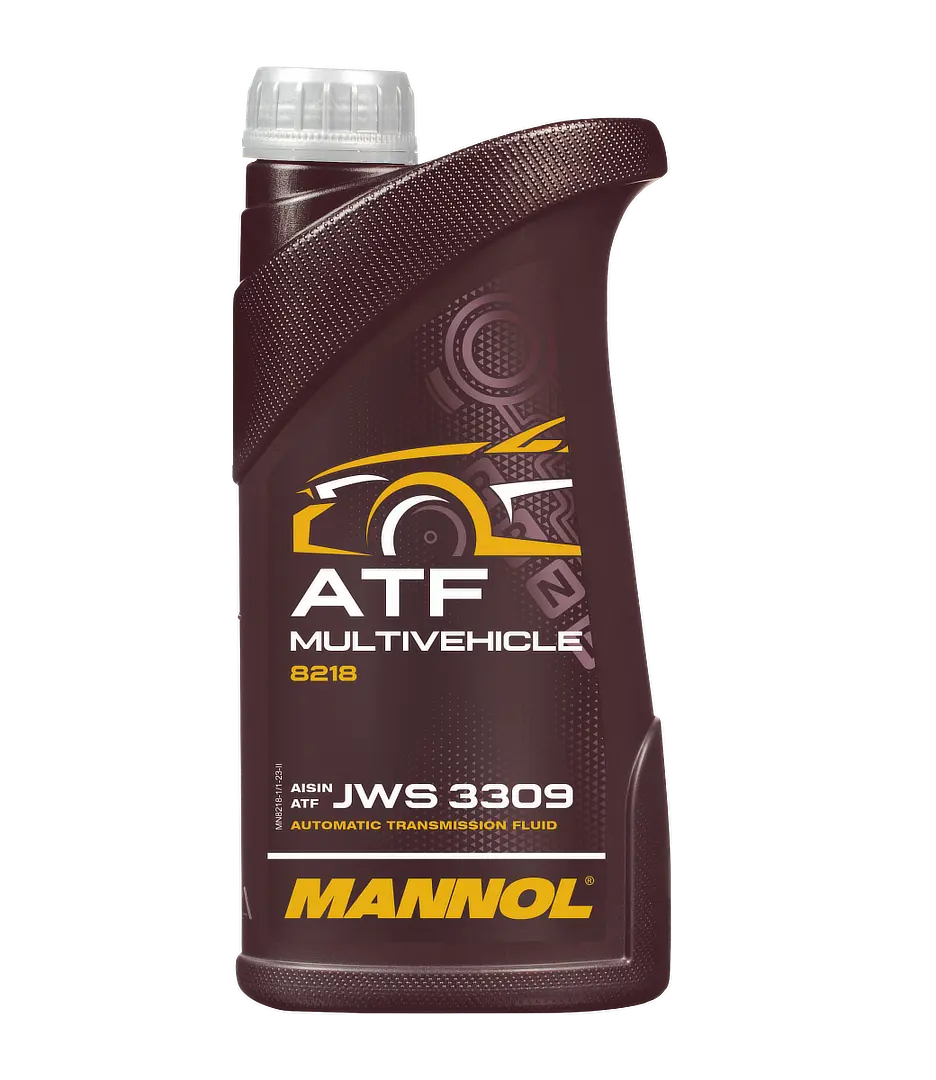 MANNOL
 ATF Multivehicle JWS 3309
Automatic transmission fluid
-
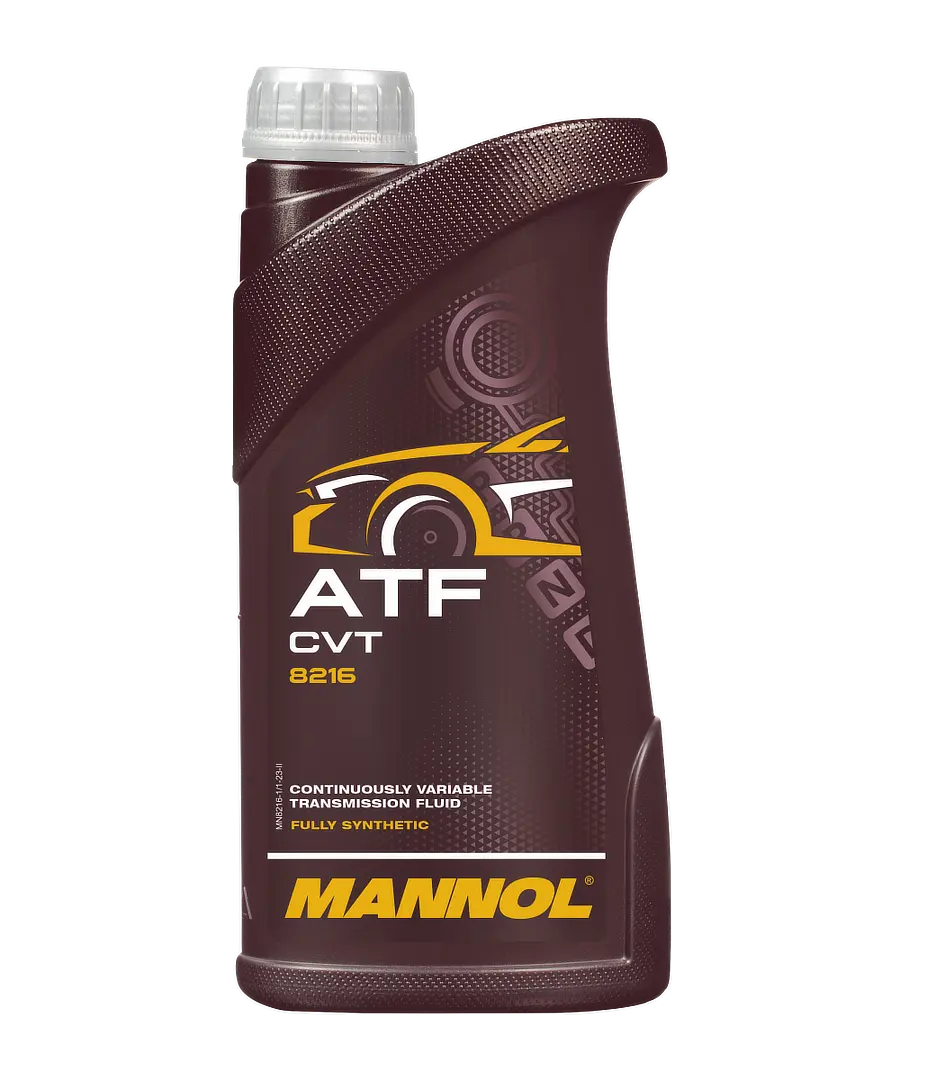 MANNOL
 ATF CVT
Automatic transmission fluid
-
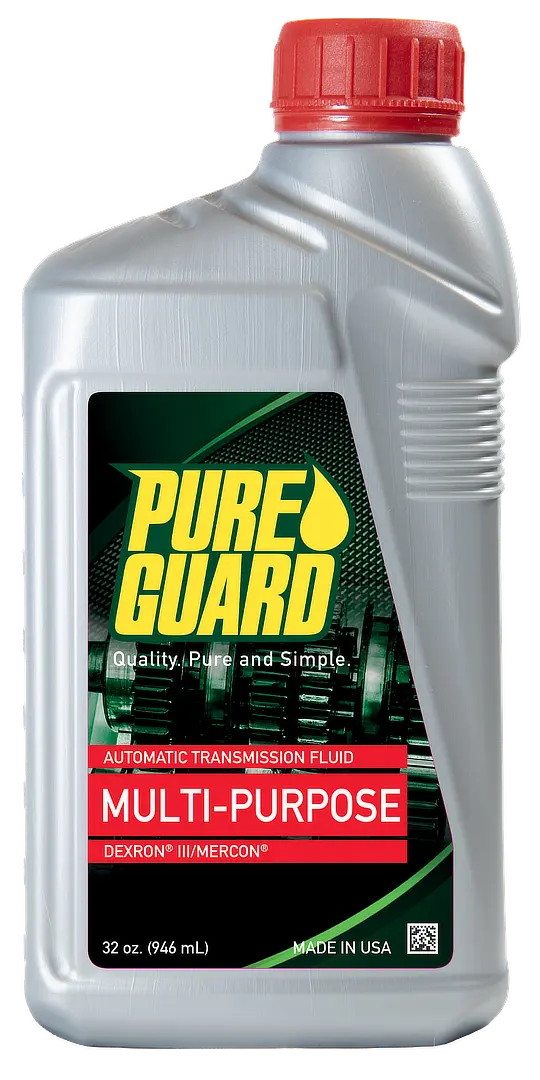 PureGuard
 Multi-Purpose ATF
Automatic transmission fluid
-
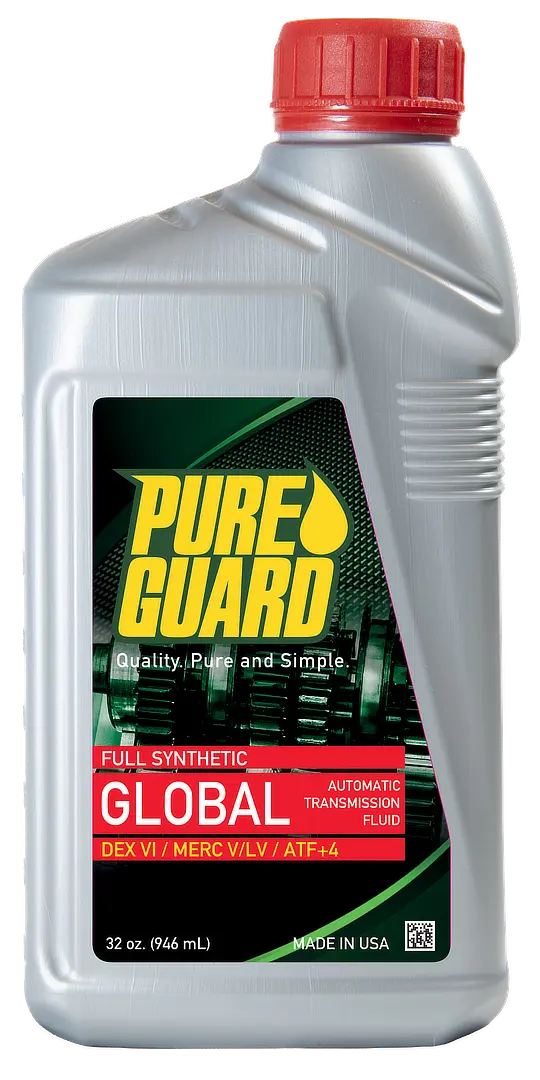 PureGuard
 Full Synthetic Global ATF
Automatic transmission fluid
Send us the application, specification, and volume — our team will confirm the right product and format.
Talk to Inforca