


What Is the Purpose of Transmission Fluid in a Car?
Transmission fluid allows the transmission to operate while protecting its moving parts. In many automatic cars, it carries hydraulic pressure, controls clutch engagement, transfers torque, lubricates components, and removes heat. In a manual car, it mainly lubricates gears, bearings, and synchronizers and supports shift quality.
The purpose changes with the transmission design, so the correct fluid comes from the vehicle manual—not a generic bottle recommendation.
Why does a car need transmission fluid to shift?
In a conventional automatic, the pump pressurizes ATF and the valve body routes it to clutch circuits. Electronically controlled solenoids may command the route, but hydraulic fluid performs much of the work.
The fluid must deliver the viscosity and friction behavior used when the transmission was calibrated. ZF describes transmission oil as a working hydraulic and friction-control medium, not only a lubricant.1
How does it protect parts?
Transmission fluid forms a film between gears, bearings, shafts, bushings, and other components. Its additives help control wear, oxidation, corrosion, foam, and deposits.
Clean fluid cannot repair an already damaged clutch, bearing, valve body, seal, or electronic control. Symptoms require diagnosis.
How does it control heat?
Fluid absorbs heat from the converter, clutches, and moving parts, then transfers it toward the transmission case or cooler. Mobil identifies heat transfer as one of ATF’s core functions.2
Low level, internal slip, restricted cooling, towing, high ambient temperature, and stop-and-go operation can increase heat. The correct fill level and cooling-system condition matter.
Is the purpose the same in every transmission?
No.
| Design | Fluid’s main work |
|---|---|
| Torque-converter automatic | Hydraulics, clutch friction, torque transfer, lubrication, cooling |
| CVT | Pulley/belt or chain friction, hydraulics, lubrication, cooling |
| Wet DCT | Clutch friction, gear lubrication, hydraulics, cooling |
| Manual | Gear, bearing, and synchronizer lubrication; heat control |
These fluids are not automatically interchangeable.
What happens when the fluid is low or wrong?
Possible results include delayed engagement, slipping, harsh shifts, noise, overheating, warning lights, or damage. The same symptoms can have mechanical or electrical causes.
Do not top off until the fluid and level procedure are identified. Some units have no dipstick and require a specified temperature, scan data, and fill sequence.
How do I know which fluid the car needs?
Use the owner or service manual for the VIN and transmission code. Ford, for example, tells owners to use fluid meeting the defined specification and warns that the wrong fluid can reduce performance or damage the component.3
Record:
- year, make, model, and engine;
- VIN and transmission code;
- conventional automatic, CVT, DCT, or manual design;
- exact fluid specification;
- service quantity and procedure;
- current fluid and maintenance history.
Which Inforca options serve passenger vehicles?
Inforca lists MANNOL Automatic Plus ATF Dexron III, ATF CVT, and ATF Multivehicle JWS 3309, plus PureGuard Multi-Purpose, Full Synthetic Global, and Xtra Rev Dexron VI fluids.4
The names describe different application groups. Confirm the current TDS and exact transmission coverage before service.
Frequently asked questions
Is transmission fluid only for automatic cars?
No. Manual transmissions also use a specified lubricant, which may be MTF, gear oil, or ATF.
Does transmission fluid make the car move?
In a torque-converter automatic, it transfers torque and operates clutch circuits that establish gear ratios.
Can I drive with low transmission fluid?
Continued operation can increase heat and damage. Check for leaks and follow the manufacturer’s level procedure.
Is brown fluid always bad?
Color alone is not a complete condition test. Consider odor, debris, service history, level, symptoms, and manufacturer guidance.
Can a fluid change fix slipping?
It may address an incorrect level or degraded fluid, but slipping can indicate internal wear or control faults.
Identify the transmission before service
Send Inforca the VIN, transmission code, required specification, current fluid, symptoms, service quantity, and package preference. The team can confirm documented product coverage.
Sources
Footnotes
-
ZF Aftermarket, In Brief: Transmission Oils, accessed September 10, 2026. ↩
-
Mobil, Mobil ATF 200 Product Description, accessed September 10, 2026. ↩
-
Ford Motor Company, Automatic Transmission Fluid Capacity and Specification, accessed September 10, 2026. ↩
-
Inforca International, Products, accessed September 10, 2026. ↩
Related Inforca products
Check each product's data sheet against your exact specification before ordering.
-
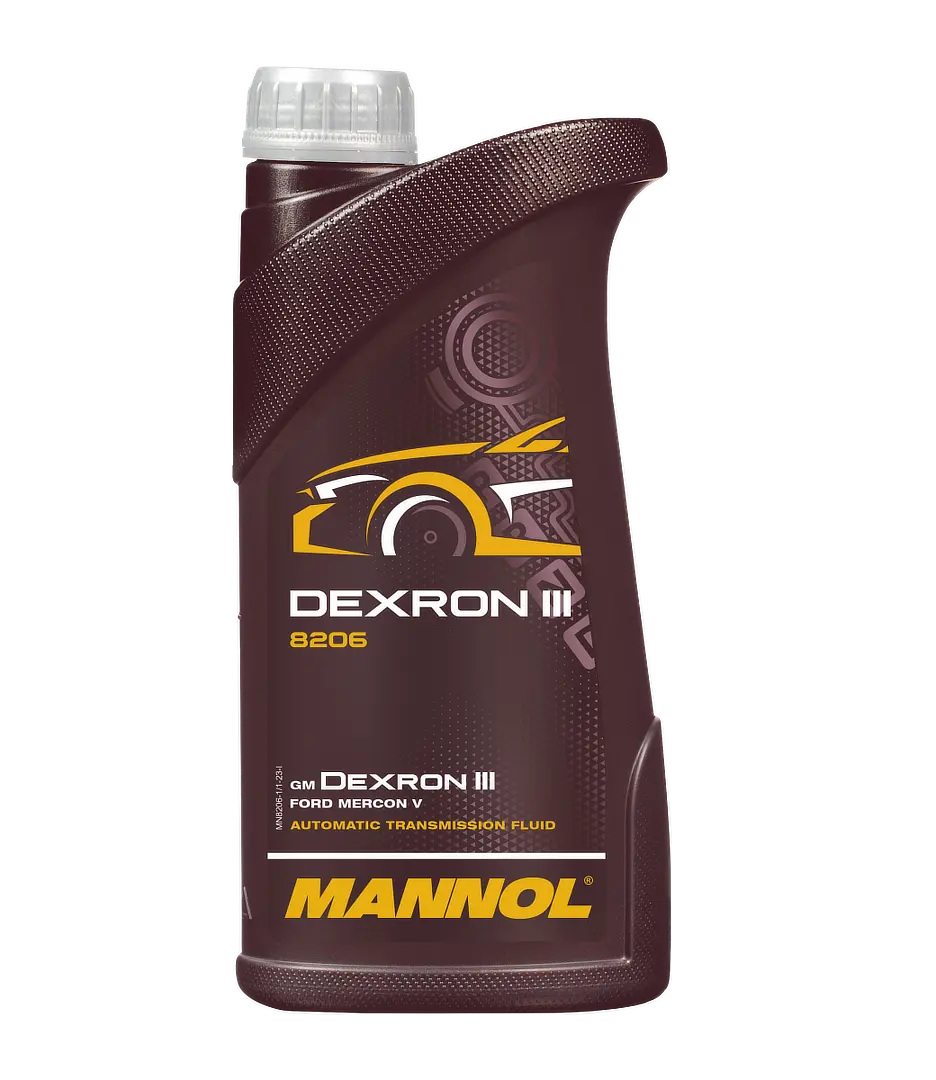 MANNOL
 Automatic Plus ATF Dexron III
Automatic transmission fluid
-
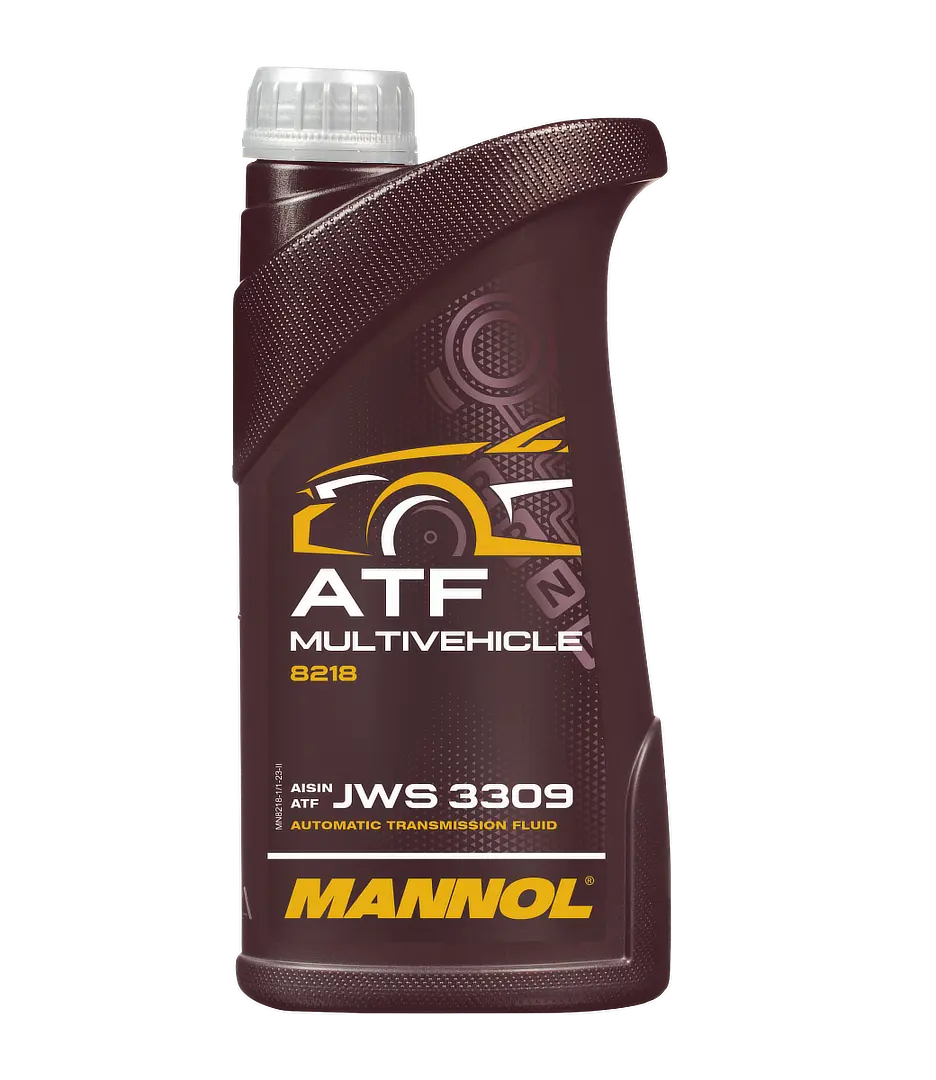 MANNOL
 ATF Multivehicle JWS 3309
Automatic transmission fluid
-
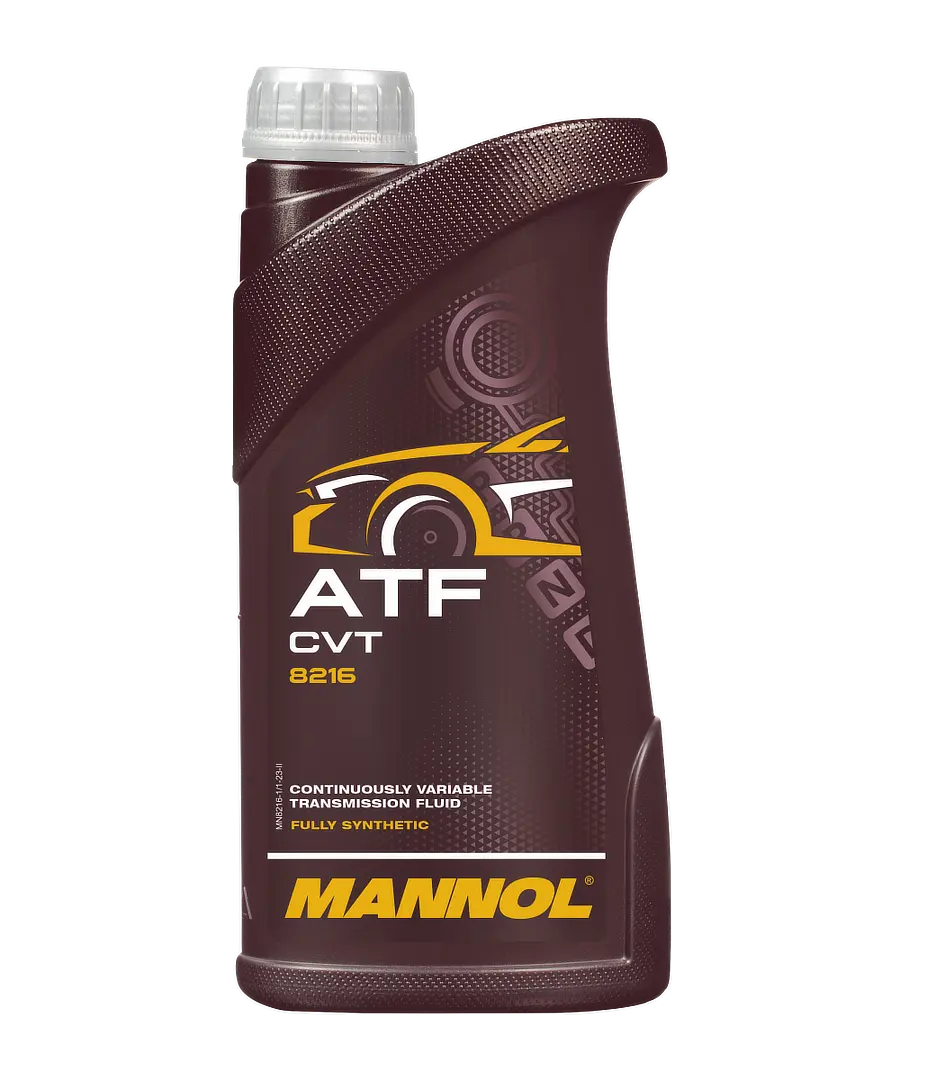 MANNOL
 ATF CVT
Automatic transmission fluid
-
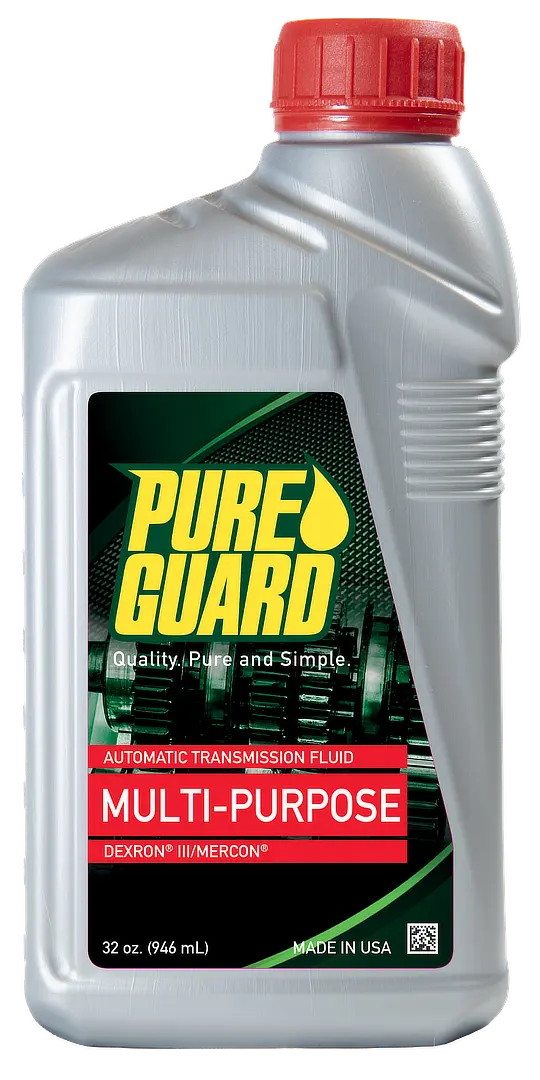 PureGuard
 Multi-Purpose ATF
Automatic transmission fluid
-
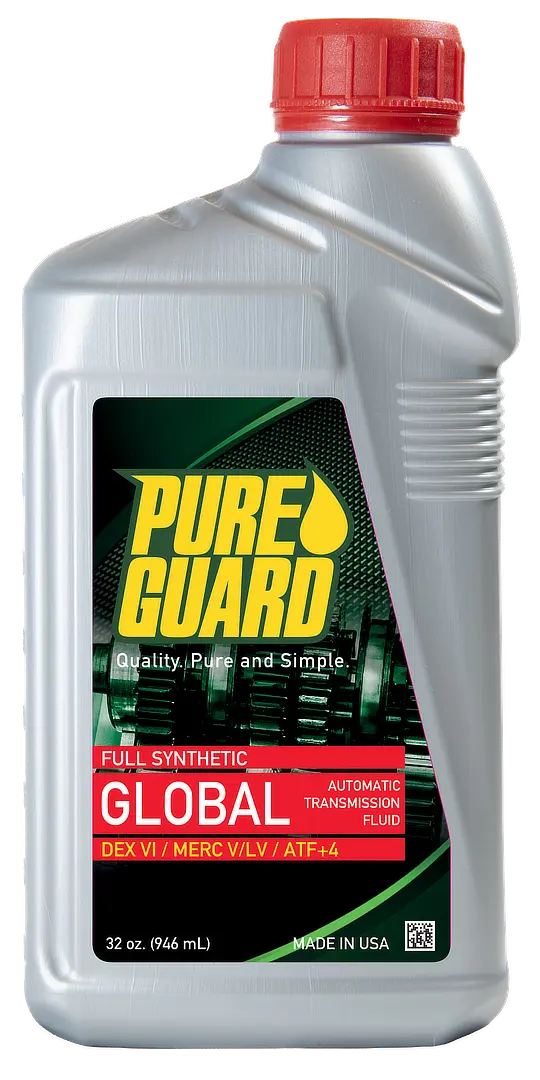 PureGuard
 Full Synthetic Global ATF
Automatic transmission fluid
Send us the application, specification, and volume — our team will confirm the right product and format.
Talk to Inforca