


What Are the Symptoms of Low Transmission Fluid?
Possible symptoms include delayed engagement, slipping or flare, erratic shifts, pump noise, overheating, a warning message or visible leakage. These signs are not proof of low fluid because electrical, hydraulic, cooling and mechanical faults can feel similar.
If the vehicle loses drive, overheats or leaks heavily, stop in a safe place and seek qualified assistance.
Common signs and other possible causes
| Symptom | How low fluid could contribute | Other causes to investigate |
|---|---|---|
| Delay engaging Drive or Reverse | Pump may draw air or lack pressure | Valve body, seals, clutch wear, controls |
| Slip or engine-speed flare | Insufficient hydraulic pressure | Worn clutches, solenoids, wrong fluid |
| Harsh or erratic shifts | Unstable pressure or aeration | Sensors, programming, valve body |
| Whine or pump noise | Aerated or restricted fluid supply | Pump wear, filter restriction, bearing noise |
| Overheating | Reduced fluid circulation or leak | Cooler restriction, load, internal slip |
| Fluid under vehicle | Active loss | Engine oil, coolant or another fluid |
Why is the fluid low?
Transmission fluid is not normally consumed like fuel. A low level usually points to a leak, an incorrect prior fill, service error or component issue. Topping off without locating the cause can delay the repair while the leak continues.
How should the level be checked?
Follow the exact vehicle procedure. Some units use a dipstick with defined temperature, gear-selection and engine-running conditions. Others require a level plug, scan data and special fill equipment.
Never assume that a cold reading, random dipstick or overflow from a plug indicates the correct level.
Can you add any red fluid?
No. Color is not a specification. Ford warns in applicable instructions that using a fluid other than the specified MERCON type can damage the transmission.1 Confirm the exact fluid before adding even a small amount.
What should a technician document?
- vehicle and transmission identification;
- fault codes and operating data;
- leak location;
- measured level and temperature;
- fluid appearance and odor;
- exact top-off product and quantity;
- recommended repair and follow-up check.
Frequently asked questions
Does low fluid turn on a warning light?
Some vehicles may report pressure, temperature or transmission faults, but not every low level has a dedicated warning.
Can low fluid damage the transmission?
Yes. Loss of lubrication, cooling or hydraulic pressure can contribute to serious damage.
Will topping off fix slipping?
It may correct a symptom caused solely by low level, but the leak and any resulting damage still require evaluation.
Can overfilling cause problems?
Yes. Foaming, venting and incorrect operation can result. Set the exact level.
Identify the leak and exact fluid
Provide the shop with the VIN, transmission code, symptoms, warning messages and leak location. For product supply, give Inforca the exact requirement and quantity so a documented MANNOL or PureGuard option can be verified.2
Sources
Footnotes
-
Ford Motor Company, Automatic Transmission Fluid Specification, accessed September 10, 2026. ↩
Related Inforca products
Check each product's data sheet against your exact specification before ordering.
-
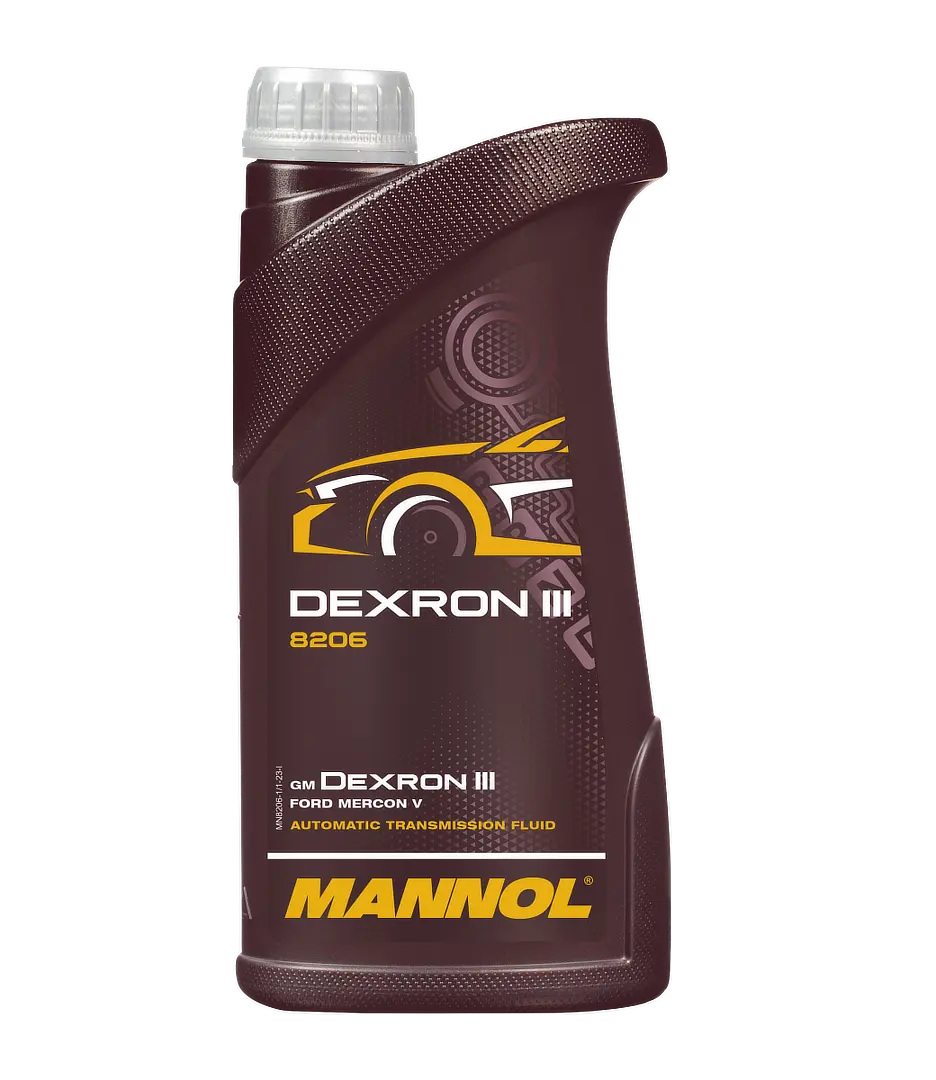 MANNOL
 Automatic Plus ATF Dexron III
Automatic transmission fluid
-
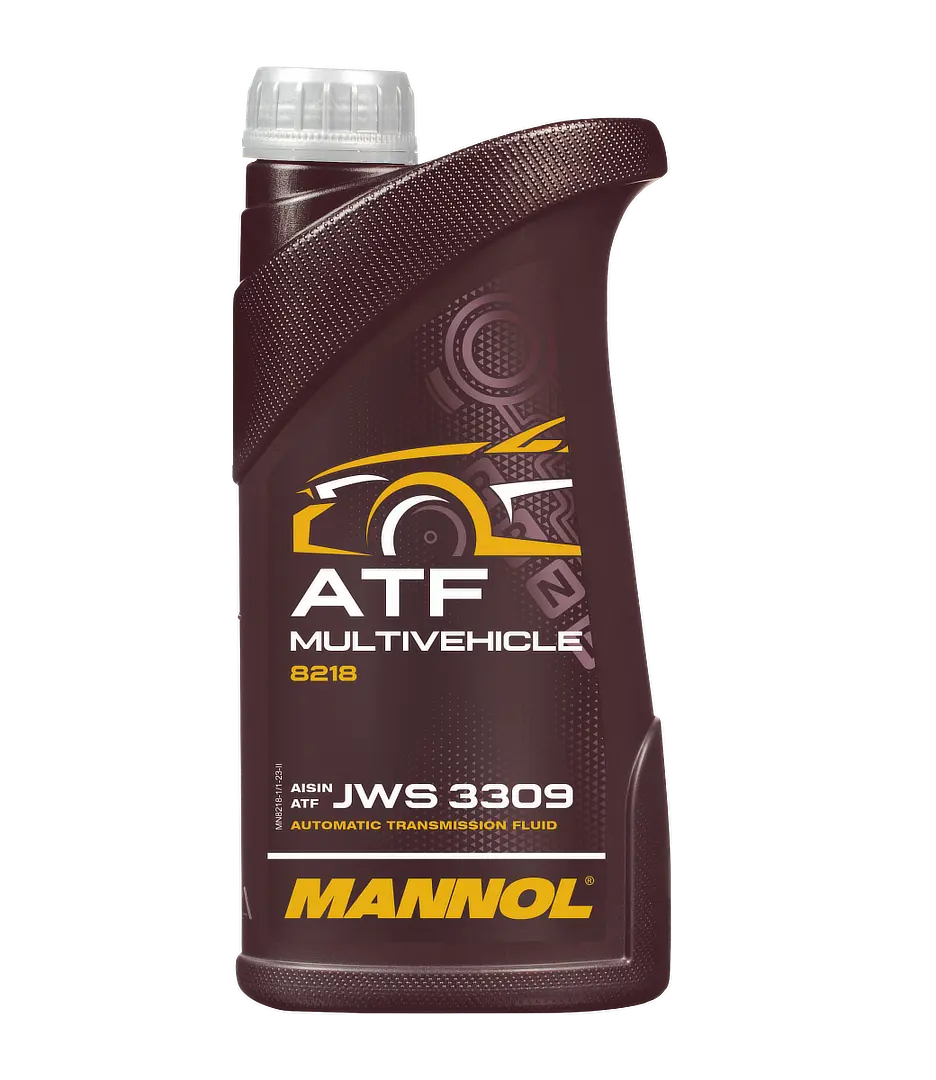 MANNOL
 ATF Multivehicle JWS 3309
Automatic transmission fluid
-
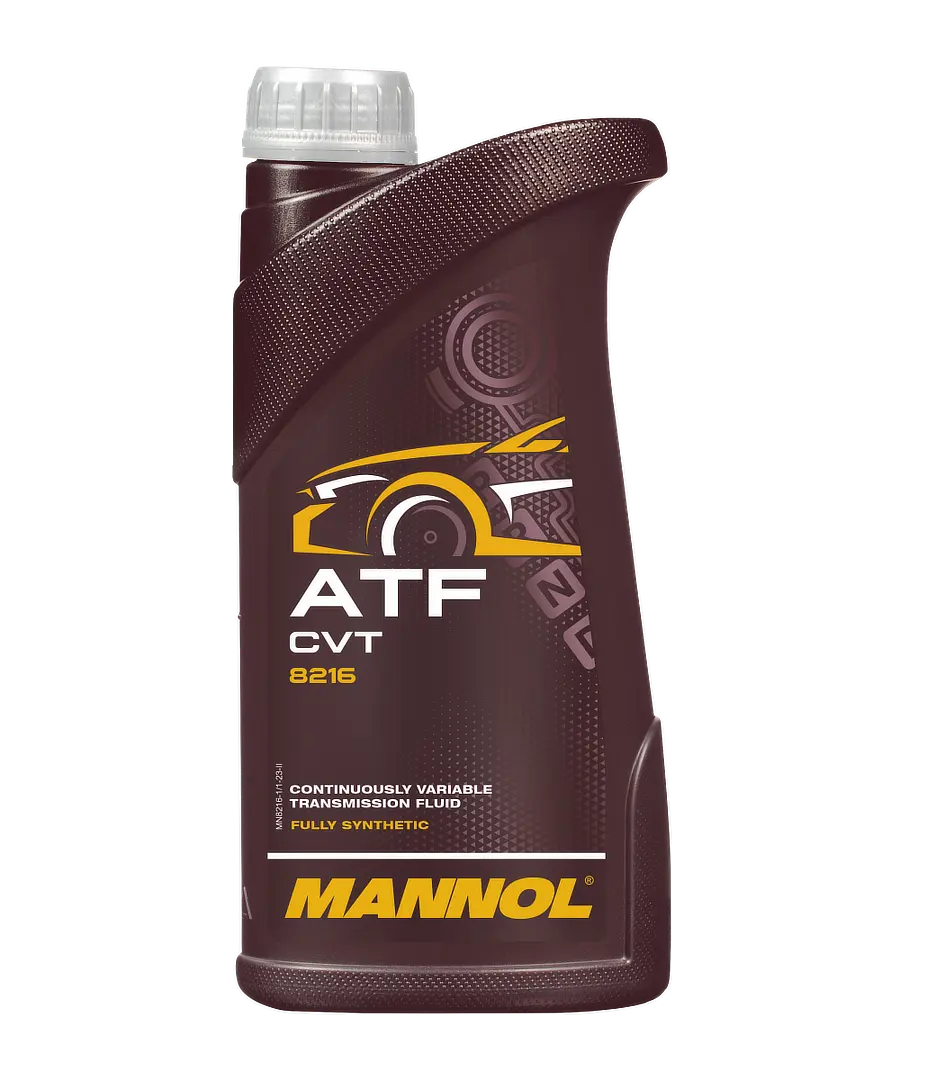 MANNOL
 ATF CVT
Automatic transmission fluid
-
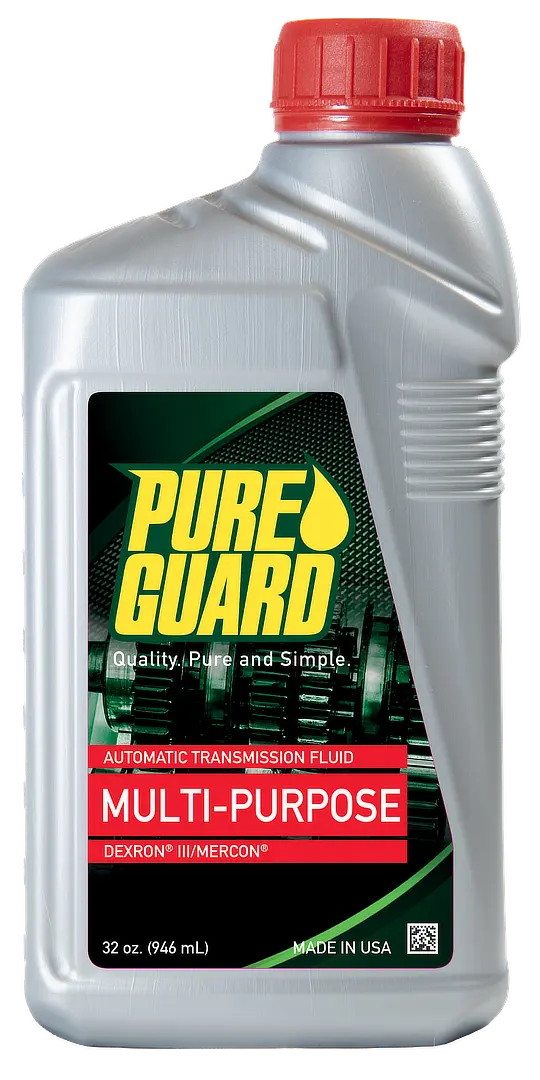 PureGuard
 Multi-Purpose ATF
Automatic transmission fluid
-
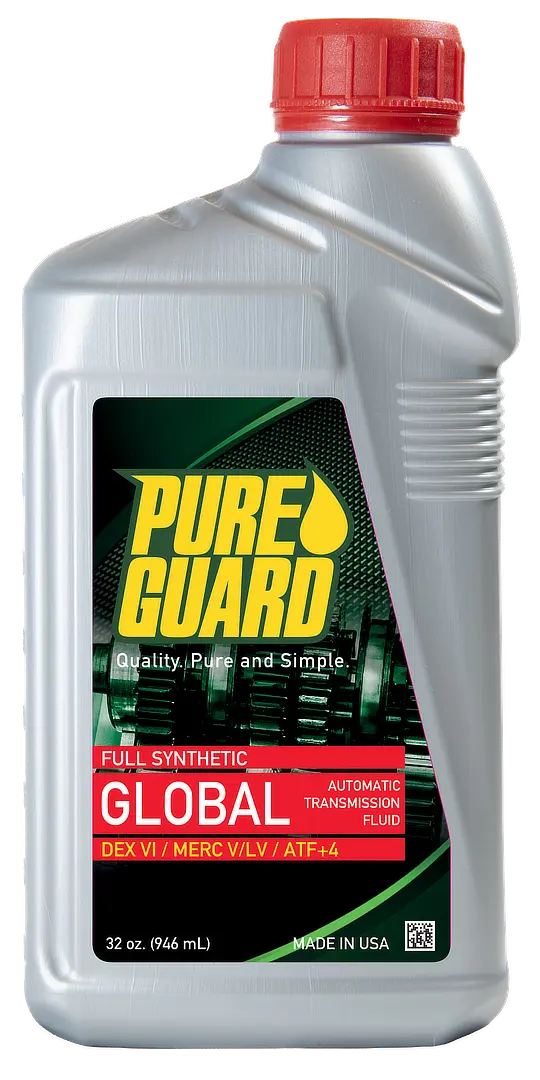 PureGuard
 Full Synthetic Global ATF
Automatic transmission fluid
Send us the application, specification, and volume — our team will confirm the right product and format.
Talk to Inforca