


What Happens If You Never Change Transmission Fluid?
If the vehicle requires transmission-fluid maintenance and it is never performed, heat, aging and contamination can reduce the fluid’s ability to lubricate, cool and support hydraulic and friction control. The result can progress from poorer operation to accelerated wear and expensive failure.
The exact outcome and schedule depend on the transmission and how it is used.
What the fluid does
Transmission fluid may perform several jobs:
- lubricate gears, bearings and other moving parts;
- carry heat to the case or cooler;
- transmit hydraulic pressure;
- control clutch friction and shift feel;
- suspend and transport contaminants;
- protect components against wear and corrosion.
Different transmission types emphasize these functions differently.
How neglect can progress
| Stage | Possible effect |
|---|---|
| Fluid ages under heat and load | Oxidation and additive depletion can increase |
| Contaminants accumulate | Valves, filters and wear surfaces face added stress |
| Friction or viscosity behavior changes | Shift quality, engagement or temperature may worsen |
| Lubrication or cooling becomes inadequate | Wear and overheating risk increases |
| Existing leak lowers the level | Pump aeration, pressure loss and severe damage may follow |
ZF notes that high temperatures and loads accelerate oil aging.1
Does every transmission need the same change interval?
No. Follow the vehicle manufacturer’s schedule and procedure. Some vehicles list normal and severe service; others use model-specific guidance or require professional equipment.
Do not replace manufacturer information with a universal interval, and do not interpret “sealed” as “ignore leaks and symptoms.”
What if the vehicle already has high mileage?
Do not jump from neglect to an aggressive exchange. Identify the transmission, review records, inspect leaks, scan for faults and evaluate fluid and pan condition as the procedure permits.
If the unit slips, shudders, delays engagement or overheats, diagnose it before promising that maintenance will help.
Can new fluid cause failure?
Correctly specified new fluid does not create worn components. However, an existing problem may become apparent near the service, and the wrong fluid, wrong level, contamination or unsupported method can cause harm.
Frequently asked questions
Can old fluid last forever if the car shifts normally?
Normal shifting today does not override the maintenance schedule.
Will a fluid change restore worn clutches?
No. Maintenance cannot rebuild damaged hardware.
Is a flush always the answer after neglect?
No. The appropriate method depends on the unit, condition and manufacturer procedure.
How do I know which fluid to buy?
Use the VIN and transmission identification to find the exact requirement; never select by color alone.
Build the next step from evidence
Give a qualified shop the VIN, transmission code, mileage, use, records, symptoms and leak history. If service is appropriate, provide Inforca with the exact fluid specification and quantity so a current MANNOL or PureGuard option can be verified.2
Sources
Footnotes
-
ZF Aftermarket, In Brief: Transmission Oil, accessed September 10, 2026. ↩
-
Inforca International, Transmission Fluids, accessed September 10, 2026. ↩
Related Inforca products
Check each product's data sheet against your exact specification before ordering.
-
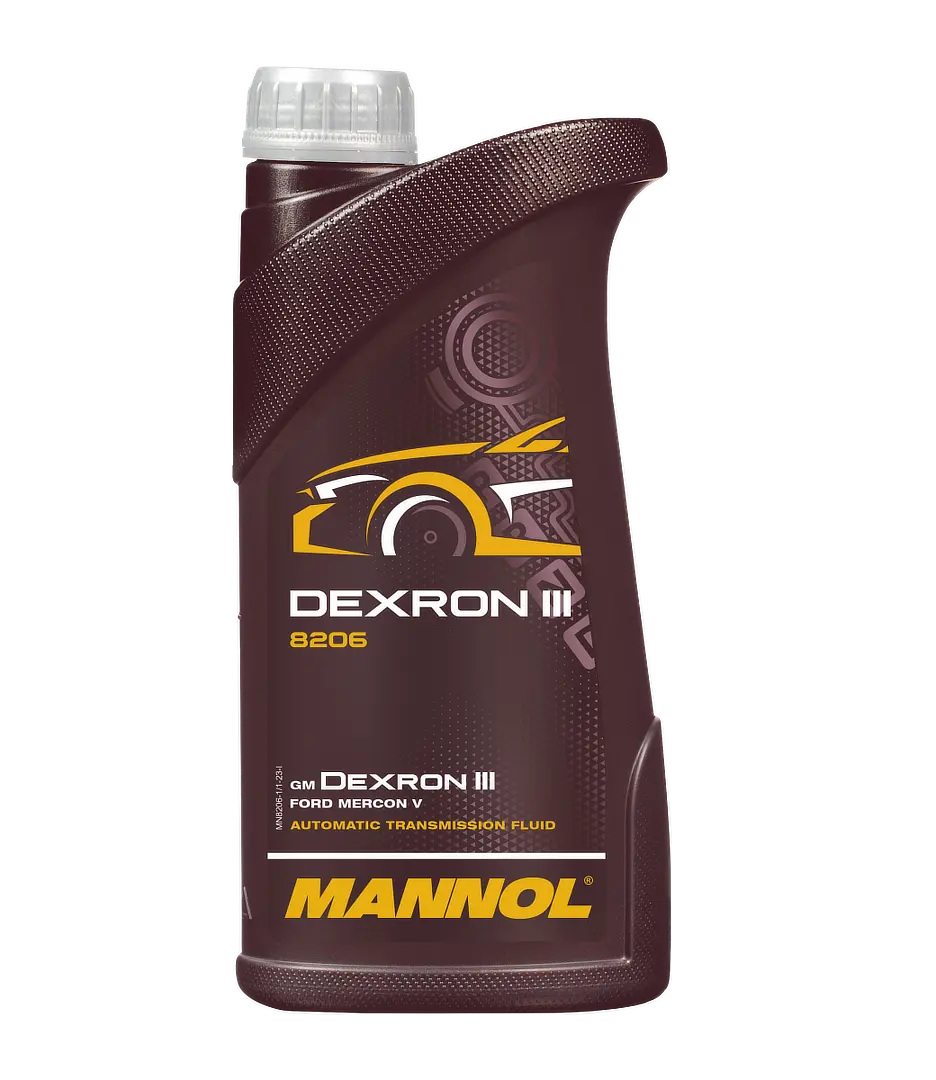 MANNOL
 Automatic Plus ATF Dexron III
Automatic transmission fluid
-
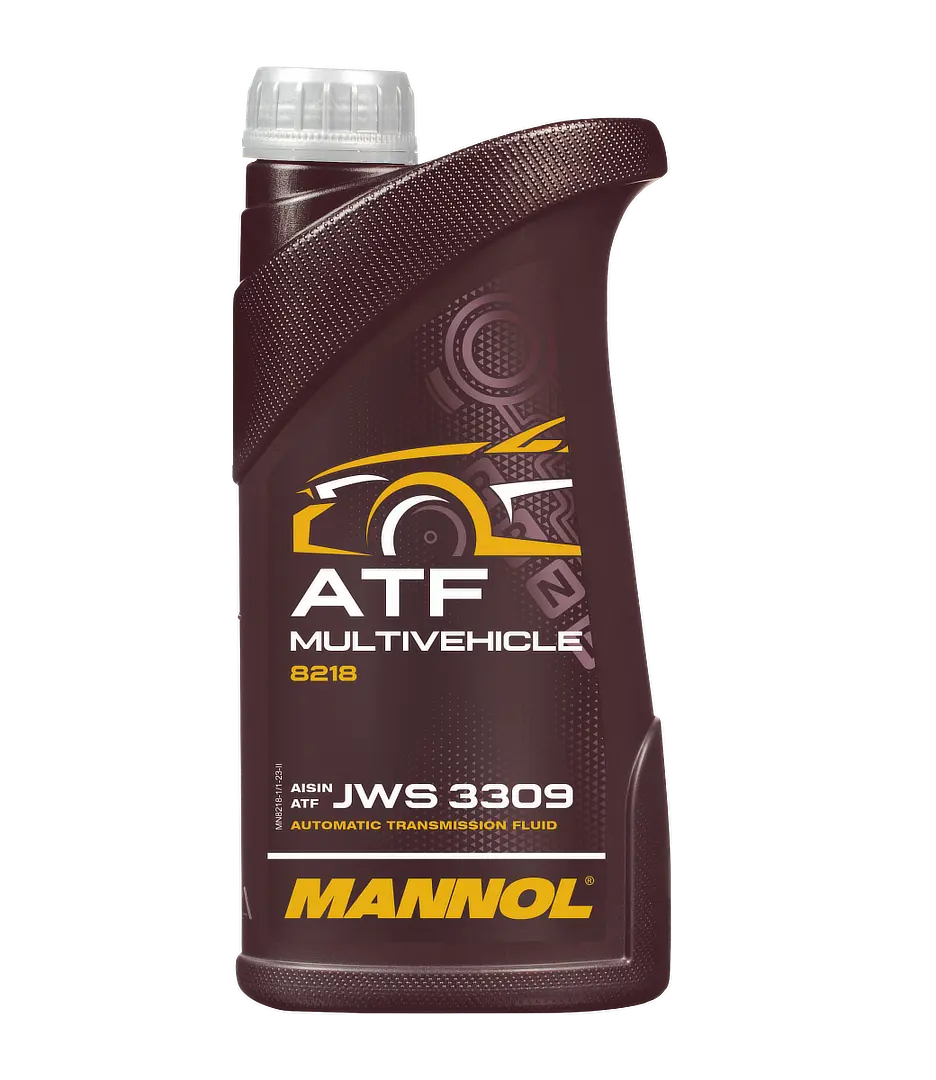 MANNOL
 ATF Multivehicle JWS 3309
Automatic transmission fluid
-
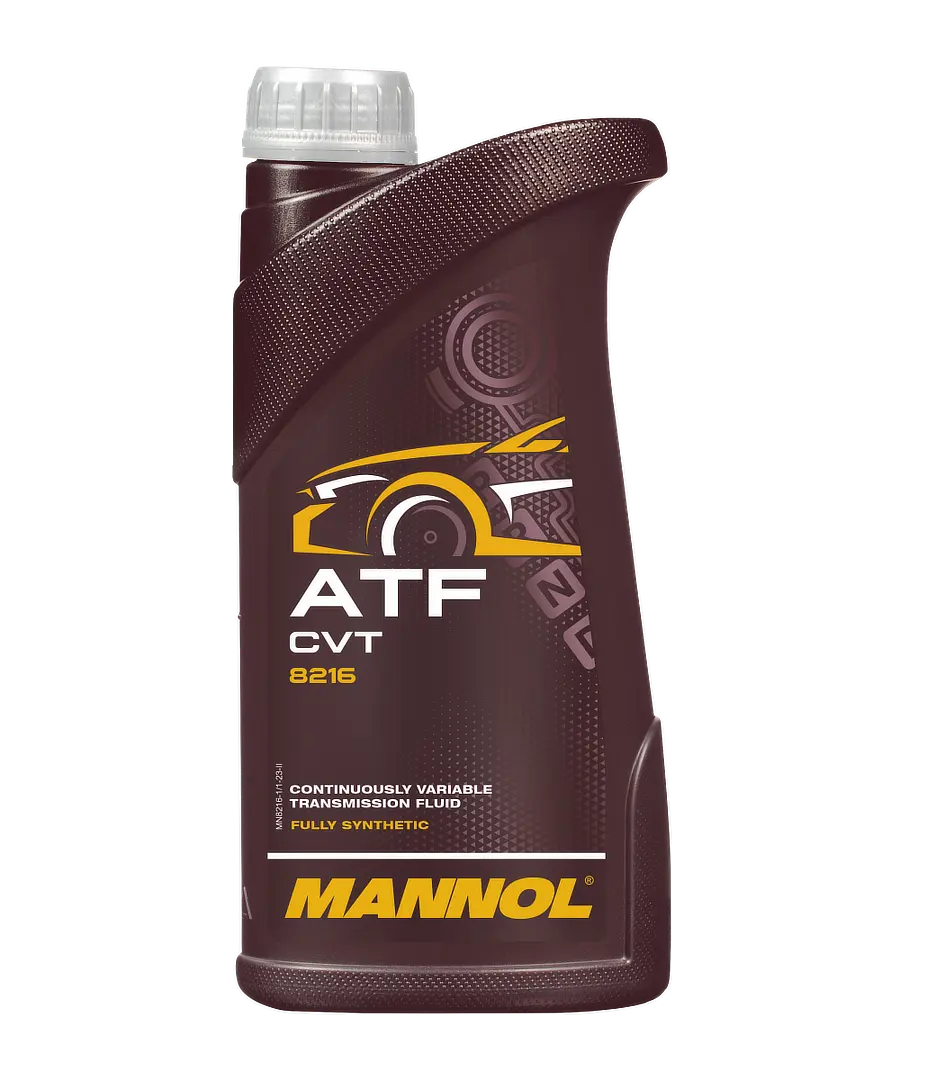 MANNOL
 ATF CVT
Automatic transmission fluid
-
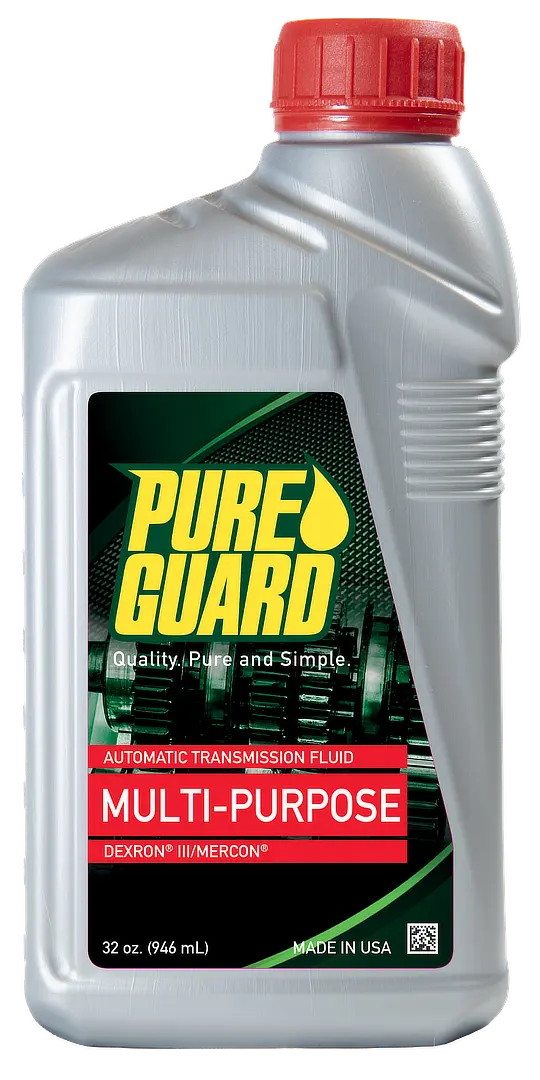 PureGuard
 Multi-Purpose ATF
Automatic transmission fluid
-
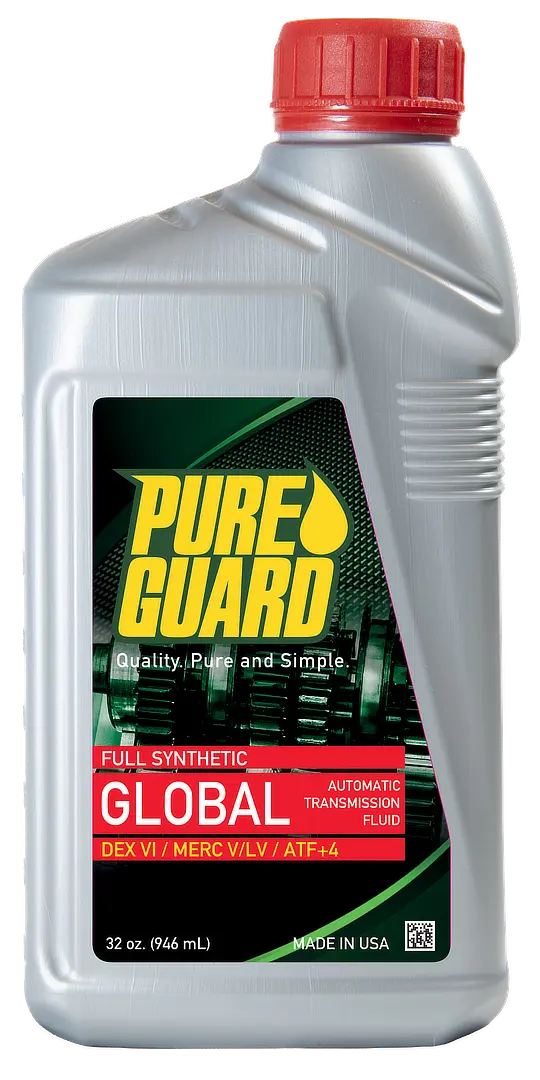 PureGuard
 Full Synthetic Global ATF
Automatic transmission fluid
Send us the application, specification, and volume — our team will confirm the right product and format.
Talk to Inforca