


When a Mechanic Says Don't Change Transmission Fluid
Ask whether the recommendation is based on a diagnosed problem, unknown history, an unsupported flush, unavailable equipment or uncertainty about the exact fluid. Then request a documented next step.
Do not turn one shop’s warning into a rule for every high-mileage transmission.
Ask these seven questions
- What symptom or test result makes service risky?
- Is the warning against all maintenance or only a machine flush?
- What does the manufacturer’s schedule say?
- Which transmission is installed?
- What is the exact fluid specification?
- Would inspection, pan/filter service or a drain-and-fill be appropriate?
- What happens if the vehicle is driven without further diagnosis?
Specific answers distinguish informed caution from a blanket opinion.
How to interpret the answer
| Mechanic’s reason | Sensible response |
|---|---|
| Active slipping, codes or delayed engagement | Authorize diagnosis before maintenance |
| Fluid leak or low level | Locate the leak and follow the correct refill procedure |
| Unknown history but no symptoms | Review records and discuss a conservative inspection/service plan |
| Shop lacks correct equipment | Find a qualified transmission specialist |
| Exact fluid cannot be confirmed | Pause until the requirement is verified |
| Warning applies only to a flush | Ask whether the manufacturer supports another service method |
When should you seek a second opinion?
Consider a transmission specialist when the explanation is only “new fluid will kill it,” when the shop cannot identify the installed unit, or when the proposed product is described only as universal.
Bring the same evidence to the second shop: VIN, mileage, invoices, symptoms, leak history and any scan report.
What should you avoid?
- Do not add an unspecified additive to mask a shift complaint.
- Do not mix fluids based on color.
- Do not approve a power exchange without understanding the procedure.
- Do not assume a fluid change will repair worn components.
- Do not keep driving through severe slipping, loss of engagement, overheating or a major leak.
ZF’s service guidance emphasizes the vehicle manufacturer’s instructions and approved fluid.1 Ford likewise warns that using an incorrect MERCON specification can damage the transmission in applicable vehicles.2
Frequently asked questions
Is a second opinion insulting to the first shop?
No. Complex or high-risk work can justify review by a transmission specialist.
Should I sign a waiver for the service?
A waiver does not make an unsuitable procedure appropriate. Understand the diagnosis and scope first.
Can I just top off the fluid?
Only with the exact fluid and correct level procedure, while addressing any leak.
What if the car shifts normally?
Compare the records with the manufacturer’s schedule; normal operation does not prove maintenance is unnecessary.
Build a clear service brief
Write down the VIN, transmission code, mileage, records, symptoms and the mechanic’s reason for caution. Once the correct fluid is identified, Inforca can check documented MANNOL or PureGuard options and pack availability.
Sources
Footnotes
-
ZF Aftermarket, In Brief: Transmission Oil, accessed September 10, 2026. ↩
-
Ford Motor Company, Automatic Transmission Fluid Specification, accessed September 10, 2026. ↩
Related Inforca products
Check each product's data sheet against your exact specification before ordering.
-
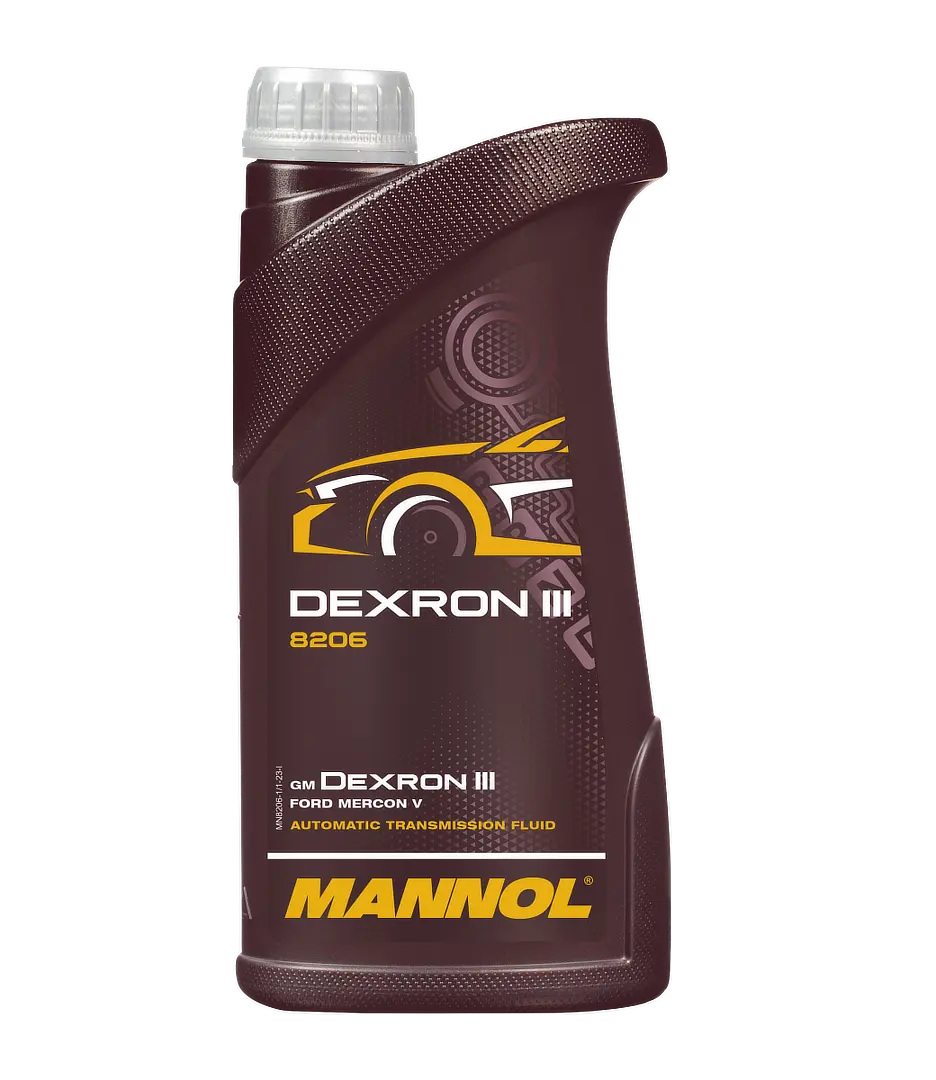 MANNOL
 Automatic Plus ATF Dexron III
Automatic transmission fluid
-
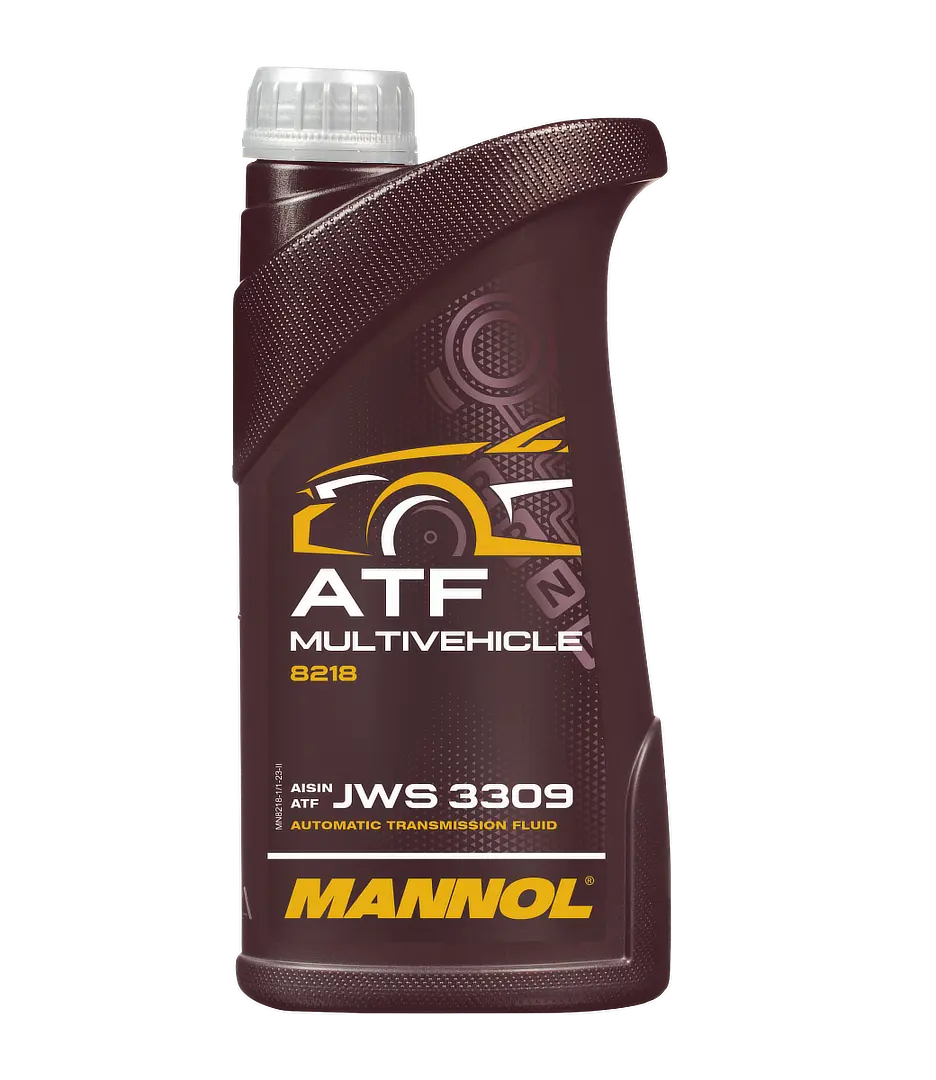 MANNOL
 ATF Multivehicle JWS 3309
Automatic transmission fluid
-
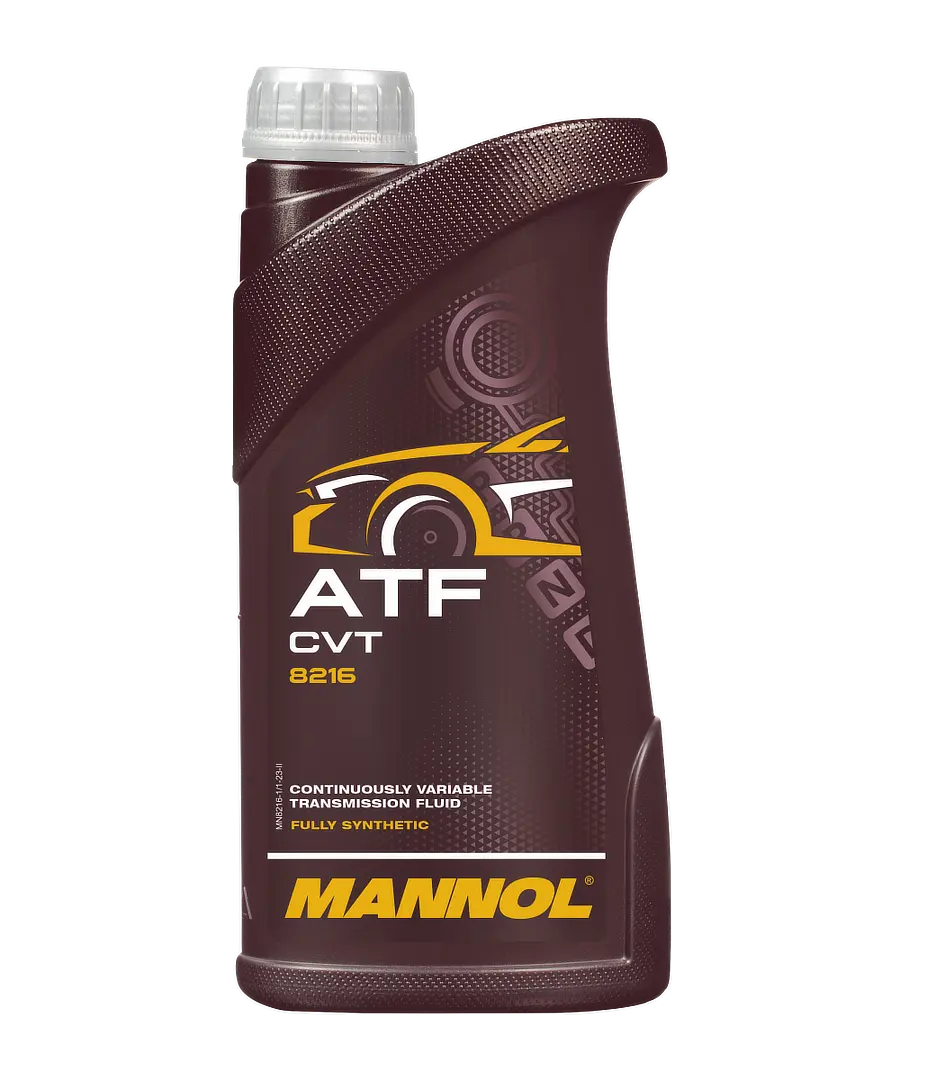 MANNOL
 ATF CVT
Automatic transmission fluid
-
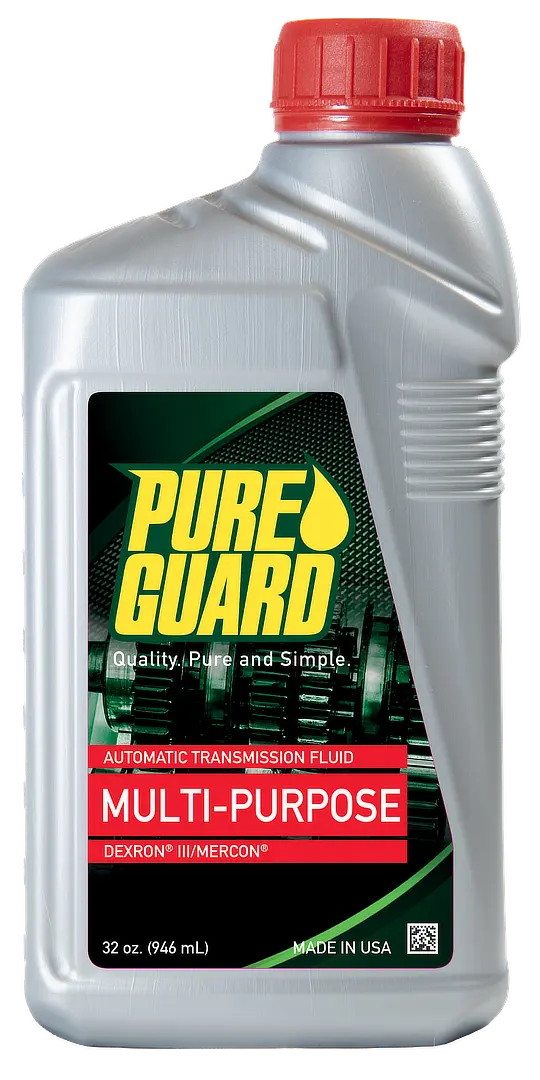 PureGuard
 Multi-Purpose ATF
Automatic transmission fluid
-
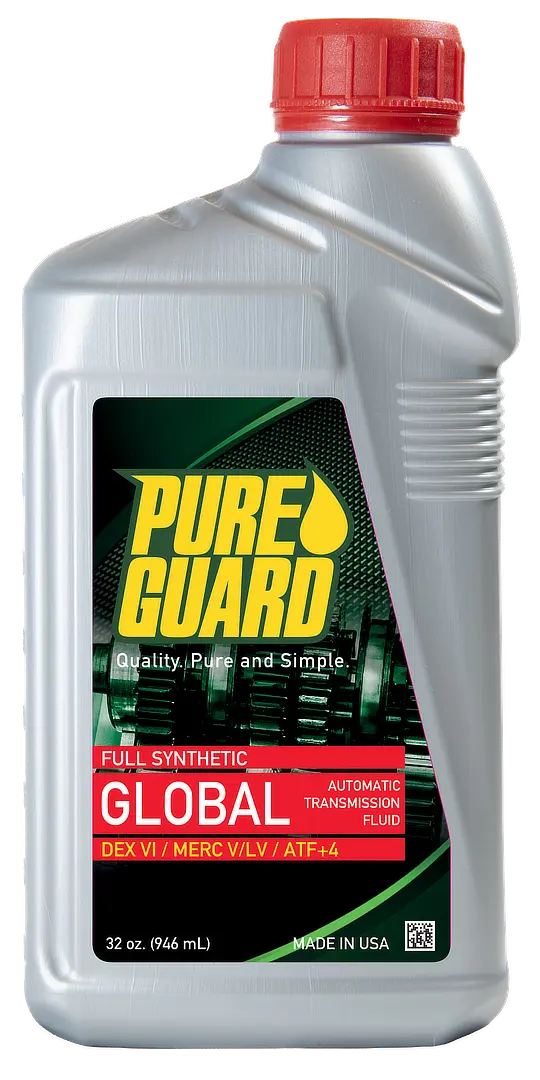 PureGuard
 Full Synthetic Global ATF
Automatic transmission fluid
Send us the application, specification, and volume — our team will confirm the right product and format.
Talk to Inforca