


Bulk and Drum Lubricant Supply for Fleets
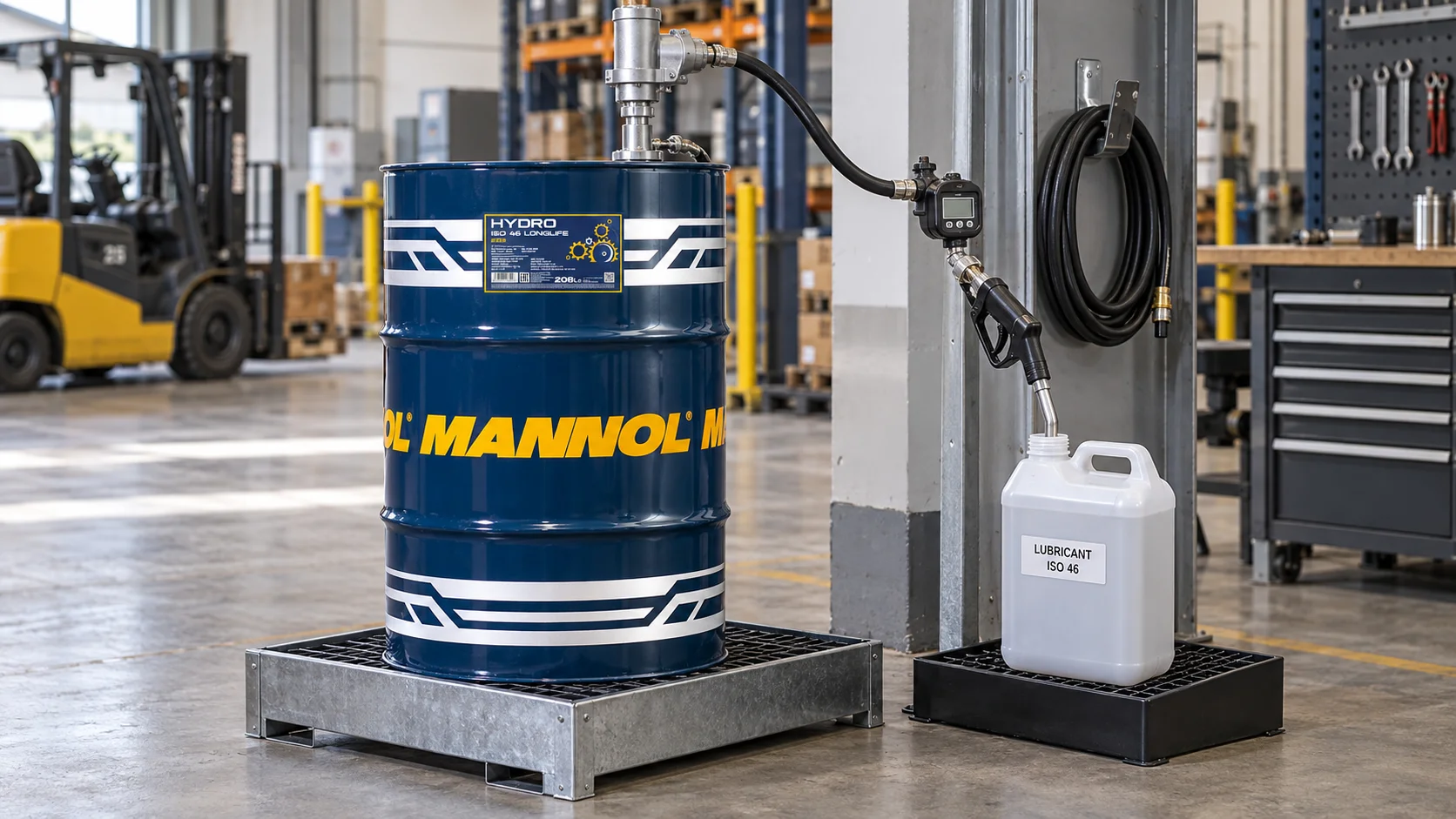
Bulk and drum supply works when a fleet or distributor has repeatable demand for the exact same lubricant and can keep that product identified, clean, and available. Choose the format after confirming the application, specification, usage, receiving method, storage, dispensing equipment, and supplier terms.
The program for a fleet is not identical to the program for a reseller. A fleet consumes lubricant through maintenance work; a distributor receives, stores, sells, and may deliver it to multiple customers. Both need product traceability, but their inventory and handling risks differ.
What changes when a fleet moves from cases to drums or bulk?
The lubricant specification does not change. The operating process does.
Before a format change, map:
- who orders the product;
- how it is received and inspected;
- where it is stored;
- how it reaches the service point;
- who authorizes dispensing;
- how quantity is recorded;
- how spills and leaks are handled;
- where used oil goes;
- how the next order is triggered.
A larger container can reduce package handling, but it also concentrates inventory and raises the consequence of contamination or mislabeling.
Which lubricant formats can a business request?
Suppliers may use the word bulk for several commercial formats. State the exact presentation in the request.
| Format | Fleet use | Distributor use | Main control |
|---|---|---|---|
| Cases | Multiple low- or medium-volume products | Shelf and counter inventory | Lot rotation and package identity |
| Pails | Mobile or bay-level recurring work | Shop and small-account supply | Lifting, pump fit, and closed storage |
| Drums | Stable use of one product | Commercial-account sales or route supply | Rack, pump, residual product, and damage control |
| Tote or IBC | High use of a small number of products | Larger-customer supply | Footprint, transfer equipment, and turnover |
| Tank delivery | Very stable demand and dedicated site infrastructure | Bulk distribution or installer program | Metering, chain of custody, filtration, and compartment control |
API 1525A defines bulk engine oil specifically as oil dispensed and delivered in metered quantities.1 A drum is a large package, but it is not necessarily “bulk” under that technical definition.
How should a fleet calculate demand by product?
Use maintenance records to calculate quantity by exact lubricant. Total lubricant use is not enough because several products cannot be combined.
For each SKU, record:
- Units or machines that require it.
- Fill quantity per service.
- Scheduled services during the review period.
- Top-off history.
- High and low monthly demand.
- Current container size.
- Supplier lead time.
- Inventory on hand and residual product.
Use a representative period. Seasonal agriculture, construction, bus, and refrigerated-transport work may need a full year of history.
The format is a candidate for expansion when demand is stable and storage and transfer controls are ready. It is a candidate for reduction when inventory turns slowly or the equipment mix changes.
How should a distributor calculate demand?
Separate committed customer demand from general forecast. A reseller needs to know which products move repeatedly, which complete an important line, and which belong on special order.
Track:
- sales by exact SKU and presentation;
- active accounts purchasing the product;
- quote-to-order conversion;
- lost sales by specification;
- lead time and supplier fill history;
- returns and damaged packages;
- aged inventory;
- emergency transfers between locations;
- customer delivery quantities.
Do not use a large opening order as evidence of demand. Reorders and active-account consumption provide the stronger signal.
Which specifications must stay visible?
Keep the technical identity on every order, delivery record, storage label, and dispensing point.
Depending on the product, this may include:
- SAE viscosity;
- API and ILSAC engine-oil category;
- ACEA sequence;
- OEM approval or recommendation;
- ISO viscosity grade;
- API GL category;
- NLGI consistency grade;
- transmission-fluid specification;
- product code and revision date.
The American Petroleum Institute advises users to follow vehicle-manufacturer recommendations for engine-oil performance.2 For products using API marks, verify the exact brand, viscosity, and category in the EOLCS directory.3
Do not approve a large-format substitution based only on viscosity. A 208-liter error has the same technical cause as a one-quart error, but a larger inventory consequence.
What documentation should follow a bulk or drum order?
The records should connect the ordered product to the delivered container or metered quantity.
Request:
- quote and order acknowledgment;
- exact product and supplier SKU;
- current TDS and SDS;
- applicable license or approval evidence;
- quantity and presentation;
- batch or lot information when available;
- delivery record;
- seal or container inspection;
- written substitution authorization.
API 1525A addresses chain of custody and quality documentation for bulk engine oil. Its guidance covers shipment information, certificates, license status when claimed, invoices, and sample traceability.4
API RP 1525 provides a management guide for testing, handling, and storage at facilities involved in lubricant distribution.5
What storage and dispensing equipment is needed?
Match the equipment to the lubricant, container, required flow, service point, and measurement needs. Do not choose a pump only because its connection fits the drum.
Evaluate:
- lubricant viscosity at operating temperature;
- chemical and seal compatibility;
- drum, tote, or tank connection;
- required flow rate;
- hose length and pressure;
- metering accuracy needed;
- filtration and breathers;
- spill containment;
- locking or access control;
- calibration and maintenance;
- mobility versus fixed installation.
Inforca is adding MATO pumps, grease guns, and dispensing equipment to its accessory line. The current site says the active model list is being finalized, so buyers should provide the product, container, volume, and current method for model and availability confirmation.6
How should receiving work?
Receiving should stop a mismatch before the lubricant enters storage.
Use this sequence:
- Compare the delivery to the purchase order.
- Verify brand, product, viscosity, specification, quantity, and presentation.
- Inspect labels, seals, containers, and visible damage.
- Record lot or batch information when available.
- Confirm the receiving tank or storage position.
- Connect only dedicated or verified-clean transfer equipment.
- Record the transfer or storage location.
- Report discrepancies before dispensing.
For metered delivery, confirm the compartment, product identity, receiving tank, and quantity before transfer. The organization’s written procedure should identify who has authority to accept or reject the delivery.
How should a fleet set reorder points?
Set a reorder point from actual usage during the confirmed lead time, plus a defined safety quantity.
Reorder point = expected use during lead time + approved safety quantity
Set the maximum inventory separately. A high minimum without a maximum can turn supply assurance into slow stock.
Review after changes in:
- fleet size;
- service interval;
- equipment mix;
- package size;
- supplier lead time;
- location or route;
- contract or season.
The supplier should state whether the product is stocked, regular order, or special order. Availability without a dated lead time is not a reorder input.
Which current Inforca products show commercial-format potential?
Inforca’s active portfolio includes light-vehicle and heavy-duty engine oils, transmission and driveline fluids, hydraulic oils, gear oils, greases, brake fluids, chemicals, and accessories.7
Current product-document examples include:
| Product | Documented presentation examples | Application boundary |
|---|---|---|
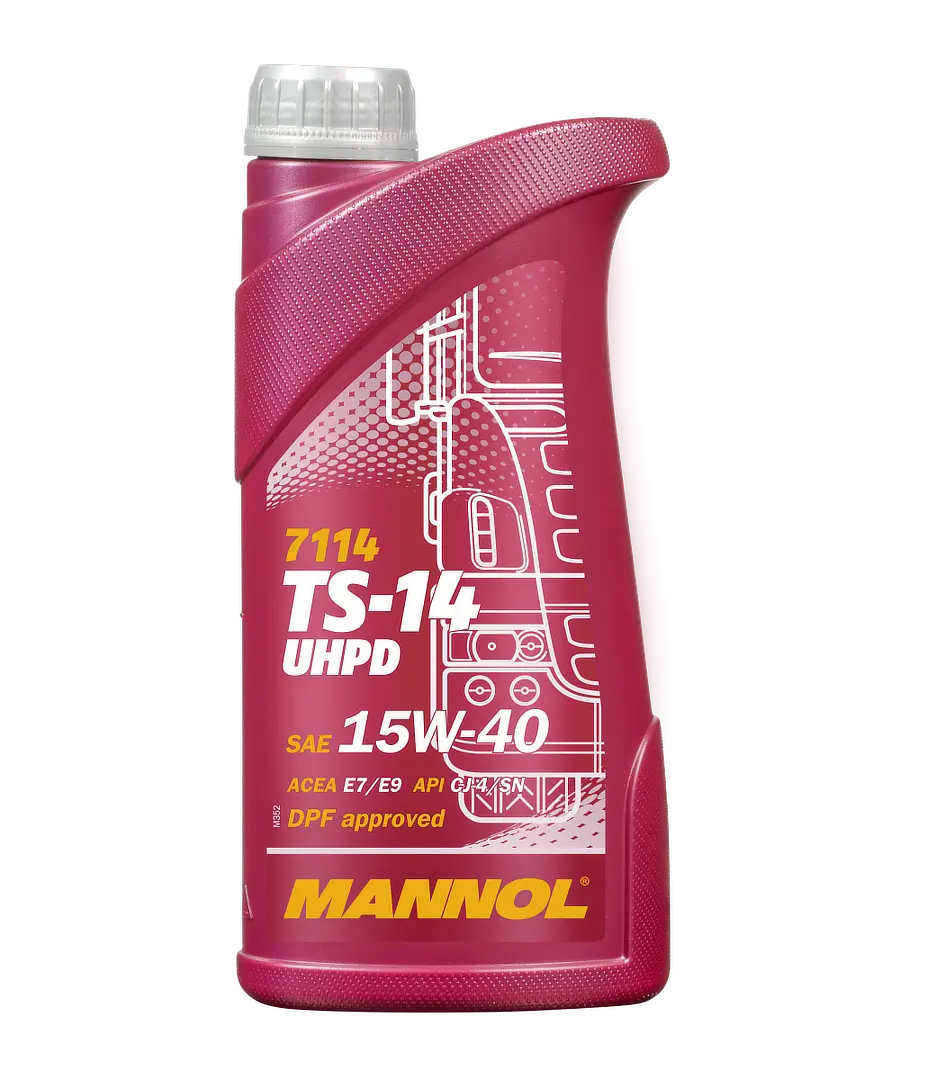
| MANNOL TS-14 UHPD SAE 15W-40 API CK-4, MN7114 | 20 L and 208 L in the supplied 2026 file | Heavy-duty diesel use only where the engine, viscosity, and performance requirements match |
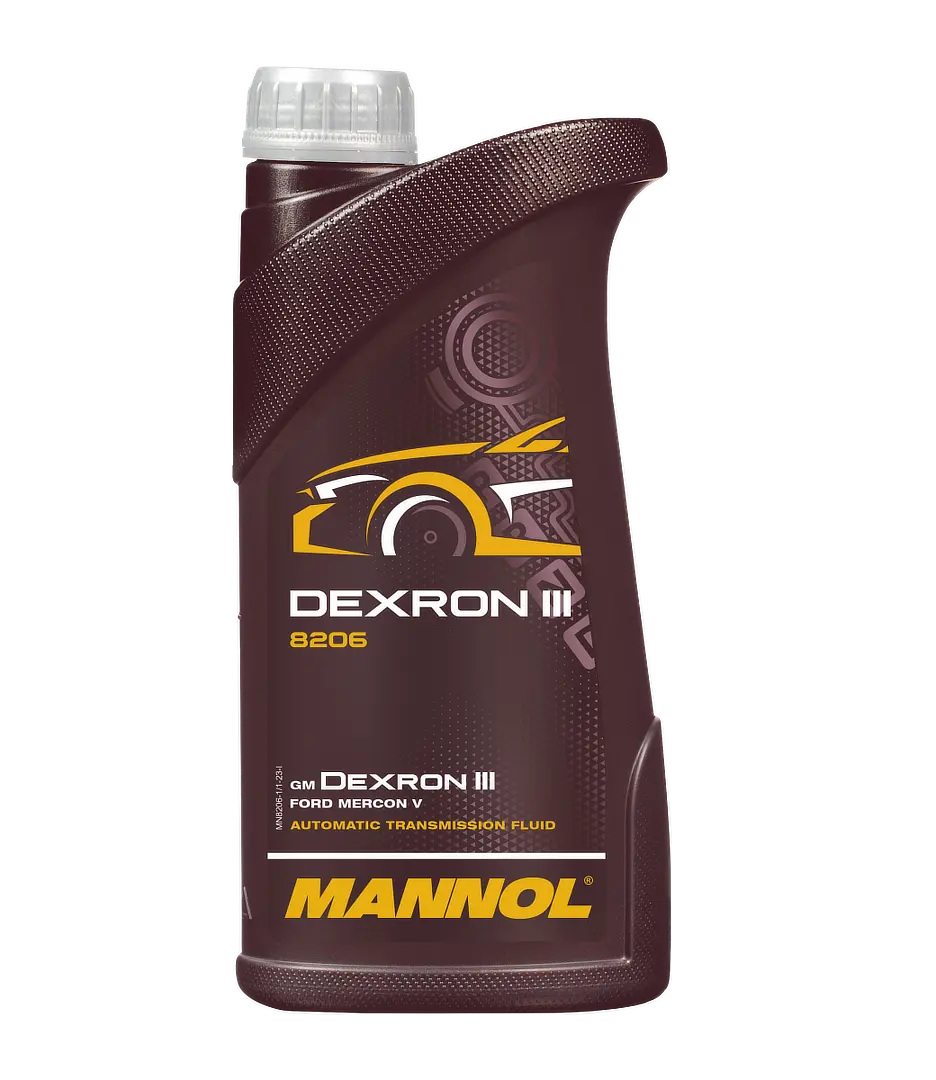
| MANNOL Automatic Plus ATF Dexron III, MN8206 | 1 L, 4 L, and 208 L in the supplied 2026 file | Automatic or hydraulic applications listed by the manufacturer; not a universal ATF |
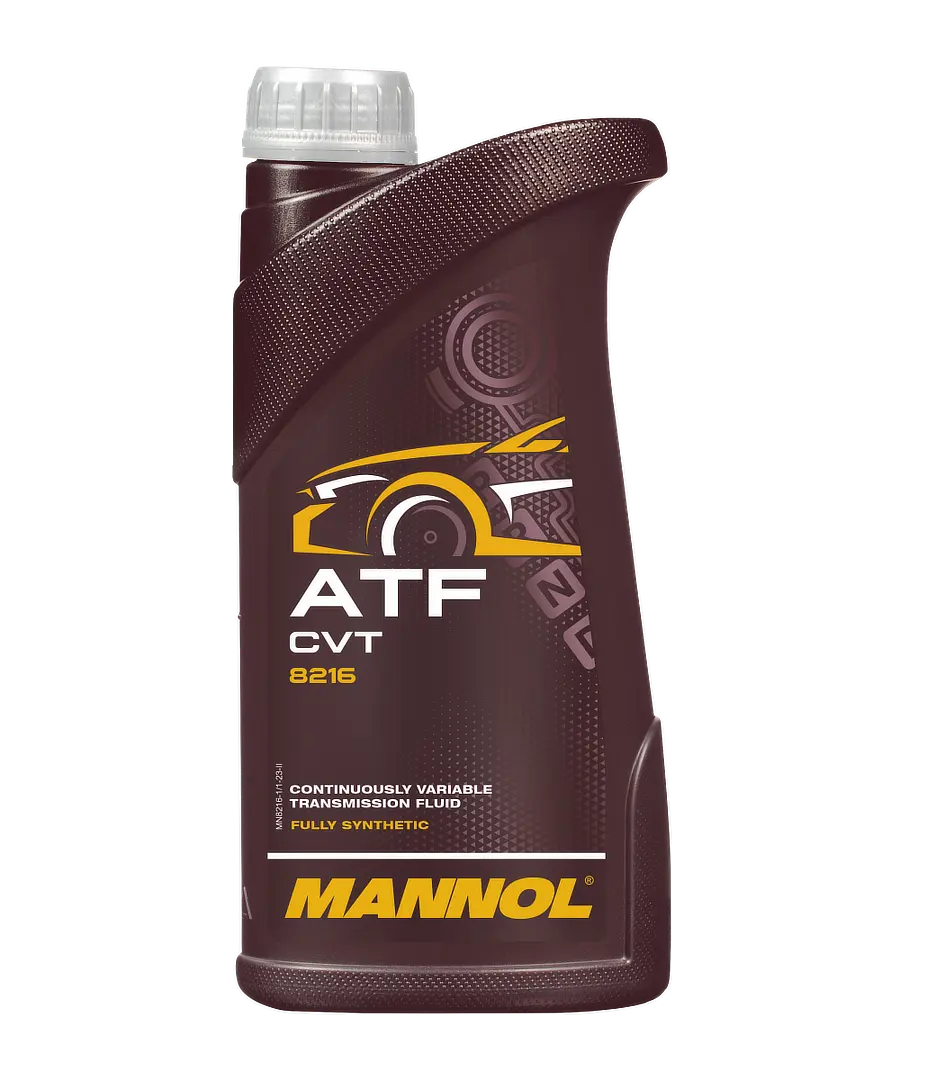
| MANNOL ATF CVT, MN8216 | 1 L and 20 L in the supplied 2026 file | CVT applications listed in current product documentation |
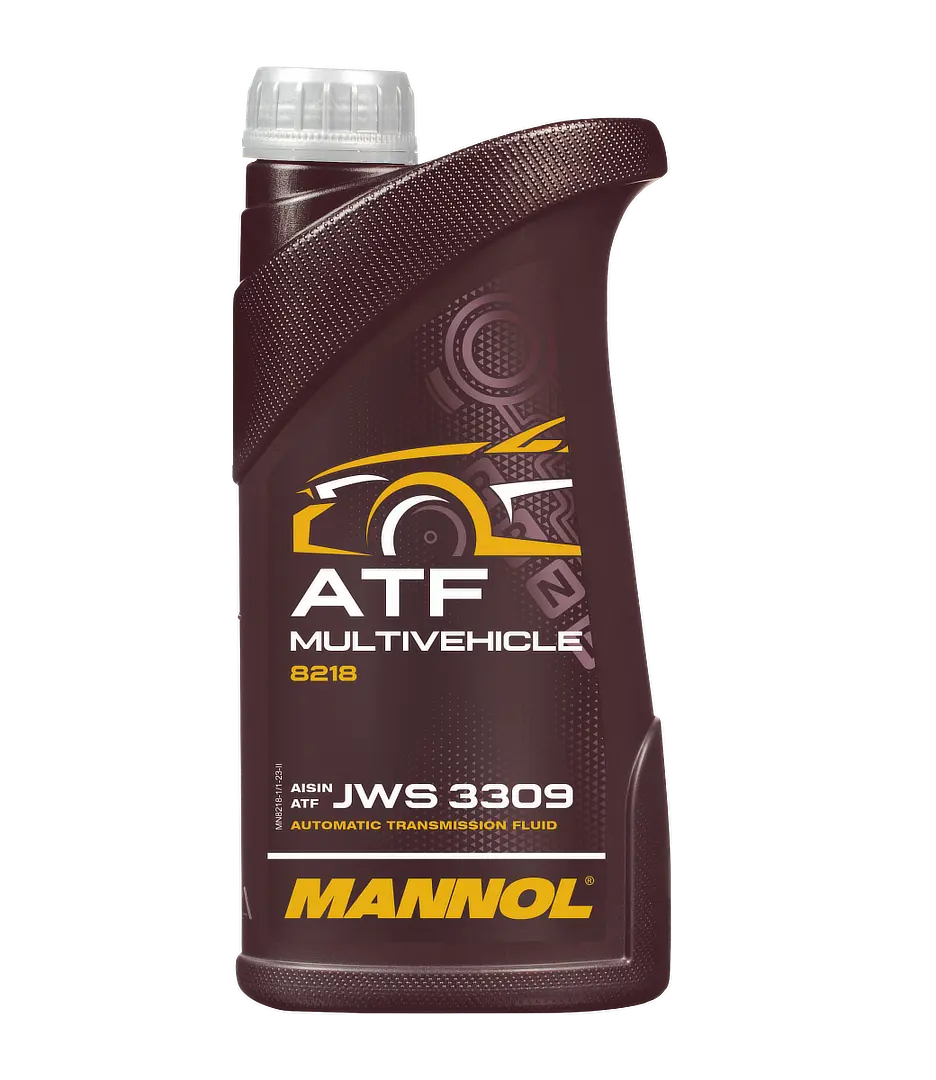
| MANNOL ATF Multivehicle JWS 3309, MN8218 | 1 L and 20 L in the supplied 2026 file | Applications within the manufacturer’s recommendation list |
MANNOL’s published catalog also shows multiple commercial formats for TS-14.8 These are documentation examples, not confirmation that every presentation is currently stocked by Inforca. Obtain a current quote and availability check.
PureGuard is positioned by Inforca for U.S.-made, high-volume motor-oil, heavy-duty, hydraulic, transmission, and related programs.9 Exact larger presentations must be confirmed by SKU because the supplied PureGuard markdowns do not provide a complete commercial-size matrix.
How does SCT Lubricants fit a bulk program?
SCT Lubricants is part of Inforca’s current active brand portfolio and is positioned as a European-manufactured line.9 Product-level SCT grades, specifications, presentations, and availability should not be recommended until the finalized catalog and technical files are confirmed.
A fleet or distributor can include SCT as a brand-level option in the commercial discussion. The purchase list must wait for SKU-level evidence.
How should used oil be handled?
Keep used oil separate from new product and from solvents, coolant, and other wastes. Label containers and keep them in good condition.
The U.S. Environmental Protection Agency provides used-oil management guidance for businesses and notes that state requirements may be stricter.10 Florida operates its own used-oil management program under state rules.11
Confirm the federal, Florida, county, fire-code, and facility requirements that apply. A lubricant supplier is not automatically the used-oil collector.
What should a bulk or drum quote identify?
Ask the supplier to confirm:
- exact SKU and technical requirement;
- presentation and delivered quantity;
- current stock or order status;
- minimum and lead time;
- delivery ZIP and receiving requirements;
- equipment and installation responsibility;
- container ownership or return;
- documentation provided;
- substitution process;
- quote issue and expiration dates.
For fleets, include unit count, equipment mix, and current service intervals. For distributors, include active accounts, sales channels, forecast by SKU, warehouse capability, and customer delivery plan.
Frequently asked questions about bulk and drum lubricants
Is a 55-gallon drum considered bulk oil?
In ordinary purchasing language, often yes. Under API 1525A’s specific definition, bulk engine oil is dispensed and delivered in metered quantities.1
Is drum oil lower quality than bottled oil?
No. Container size does not determine formulation quality. Product evidence, chain of custody, storage, and correct application matter.
Can one tank serve several oils?
Not at the same time. A tank conversion requires a controlled procedure that addresses residual product, cleaning, labeling, and compatibility.
Does Inforca stock every listed commercial size?
The website does not make that universal claim. Product, presentation, stock, quantity, and destination require confirmation.
Can MATO equipment be specified from the website alone?
No. The current page says the model list is being finalized. Send the lubricant, container, desired flow, service point, and current handling method.
Send the usage and format requirements
Send Inforca the applications, exact specifications, monthly use by product, desired presentations, delivery ZIP code, receiving limits, and dispensing method. Fleets should include unit count; distributors should include active customer demand. Inforca can confirm product fit, current formats, availability, and equipment options.
Sources
Footnotes
-
American Petroleum Institute, API 1525A, definition 3.2.3, accessed September 10, 2026. ↩ ↩2
-
American Petroleum Institute, Oil Categories, accessed September 10, 2026. ↩
-
American Petroleum Institute, Engine Oil Licensing & Certification System, accessed September 10, 2026. ↩
-
American Petroleum Institute, API 1525A overview, accessed September 10, 2026. ↩
-
American Petroleum Institute, RP 1525 overview, accessed September 10, 2026. ↩
-
Inforca International, MATO Lubrication Equipment, accessed September 10, 2026. ↩
-
Inforca International, Products, accessed September 10, 2026. ↩
-
MANNOL, MANNOL Catalogue, entry 7114 TS-14 UHPD, accessed September 10, 2026. ↩
-
Inforca International, Brands, accessed September 10, 2026. ↩ ↩2
-
U.S. Environmental Protection Agency, Managing Used Oil: Answers to Frequent Questions for Businesses, accessed September 10, 2026. ↩
-
Florida Department of Environmental Protection, Used Oil Recycling, accessed September 10, 2026. ↩
Related Inforca products
Check each product's data sheet against your exact specification before ordering.
Send us the application, specification, and volume — our team will confirm the right product and format.
Talk to Inforca